AI and Automation in Marketing and Operations 2026
Discover how AI and automation are reshaping business processes, improving productivity, and creating smarter workflows across industries.

Most people don’t notice the moment things start changing. It happens slowly. One tool replaces a task. One system saves a few minutes. One process becomes automatic. Then suddenly, the old way feels impossible.That is how ai and automation enter daily life. Not loudly. Not dramatically. But steadily. They slip into routines and start doing the invisible work.
And before long, businesses, creators, and professionals realize something important. Work is different now. Permanently.
Introduction
AI and automation refer to the use of intelligent systems and programmed workflows to perform tasks that once required human effort. These technologies analyze data, recognize patterns, and execute actions with speed and accuracy. When applied correctly, they improve efficiency, reduce errors, and free people to focus on strategy, creativity, and meaningful decision-making—especially when supported by advances in intelligent AI systems rather than repetitive operations.
What is AI and automation?
It is the combination of artificial intelligence and automated systems that perform tasks with minimal human input.
Is it worth investing in?
Yes, especially for businesses that want to scale, save time, and reduce operational costs.
How does it work?
It uses data, algorithms, and workflows to detect patterns and execute actions automatically.
Understanding Automation and AI in Simple Terms
To understand automation and AI, it helps to go back to basics. Automation means creating systems that perform tasks without constant human control. It follows rules, sequences, and triggers. Artificial intelligence adds learning, prediction, and decision-making on top of that structure.
When you combine both, something powerful happens. Systems no longer just follow instructions. They adapt. They improve. They respond to real-world data. A simple example is email filtering. At first, rules sort messages. Later, AI learns which emails matter and adjusts automatically.
This blend changes how organizations operate. It reduces dependency on manual labor for routine work. It minimizes errors caused by fatigue. It creates consistency. Over time, it shifts entire business cultures from reactive to proactive.
How AI and Process Automation Actually Work
AI and process automation rely on data flows and decision models. First, information enters the system through sensors, software logs, user inputs, or integrations. Then algorithms analyze that data and determine the next action.
For example, in finance, invoices arrive. AI reads them. Automation verifies amounts. Payments get scheduled. Reports update. No manual handling is required. The system learns from past patterns and improves accuracy.
These systems often operate through workflows. One action triggers another. One condition unlocks a sequence. Over time, thousands of micro-decisions happen invisibly. That’s why modern operations feel smoother. The complexity is hidden behind intelligent design.
Defining Automation in the Modern Digital Economy
If you define automation today, it looks very different from old factory machines. Modern automation lives inside software, cloud platforms, and digital ecosystems. It connects departments, tools, and people through digital customer support systems, making operations smoother and more responsive.
In the past, automation meant rigid systems. They followed scripts. If something changed, everything broke. Today’s automation is flexible. AI-powered platforms adjust to new data and changing conditions. They adapt instead of collapse, especially when supported by smart digital customer support solutions.
This flexibility makes automation accessible to small businesses, freelancers, and startups. You no longer need massive infrastructure. Cloud-based services and no-code tools bring automation to almost anyone willing to learn.
AI-Powered Systems in Business Operations
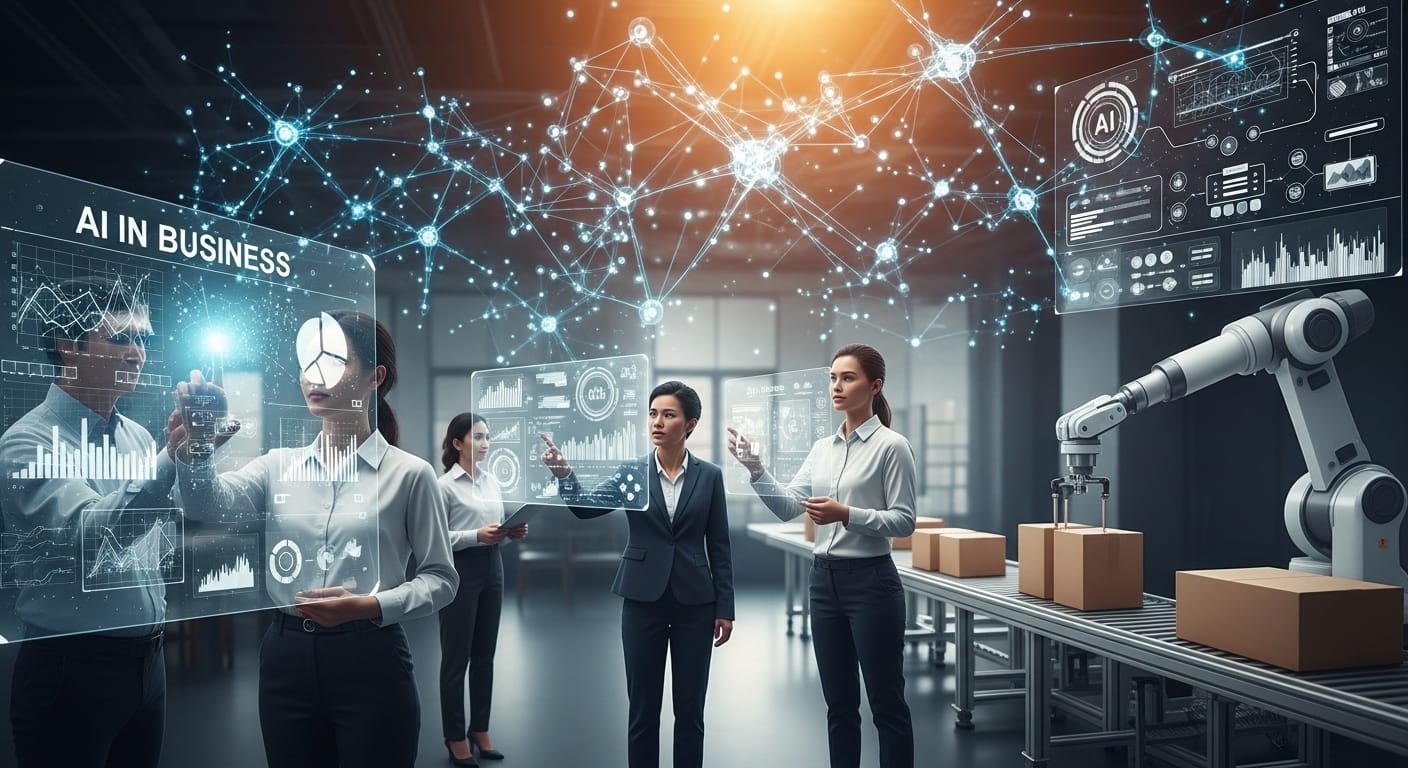
AI-powered systems now manage scheduling, forecasting, inventory, customer service, and analytics. They process more information in minutes than humans could in weeks. This creates faster decisions and better outcomes.
In supply chains, AI predicts demand. In HR, it screens resumes. In finance, it detects fraud. In marketing, it personalizes campaigns. Each function benefits from speed and pattern recognition.
The real value appears over time. As systems learn, they become more accurate. Errors decrease. Performance stabilizes. Businesses stop firefighting and start planning. That shift changes leadership priorities and organizational culture.
AI and Marketing Automation in the Digital Age
AI and marketing automation have transformed how brands communicate. Instead of mass messaging, companies now deliver personalized experiences. Emails adjust to behavior. Ads respond to browsing history. Content adapts to interests.
Marketing automation and AI also improve timing. Systems learn when users are most active. They send messages at optimal moments. Engagement increases without extra effort.
Campaign performance becomes measurable in real time. AI analyzes click patterns, conversions, and drop-offs. Marketers adjust strategies instantly. This feedback loop makes modern marketing faster, smarter, and more accountable.
AI for Automation in Customer Communication
Customer service is one of the biggest beneficiaries of AI for automation. Chatbots handle common questions. Ticket systems prioritize issues. Sentiment analysis detects frustration early.
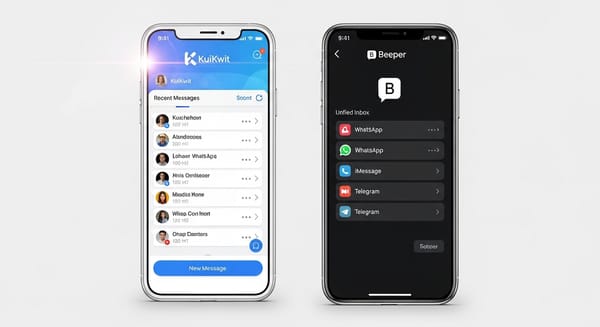
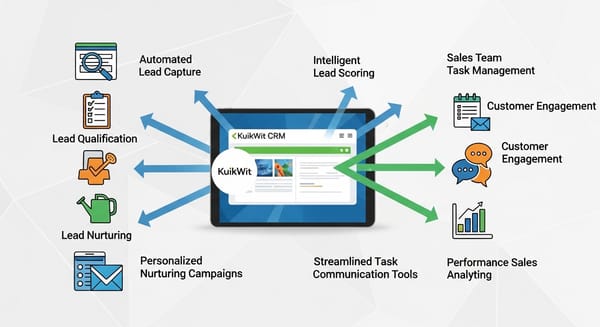
Platforms like Kuikwit.com support this evolution by centralizing communication channels. Messages from websites, apps, and social media come together. AI tools analyze them. Automation routes them to the right agents.
This integration reduces response times and prevents information loss. Teams see everything in one place. Customers feel heard. Operations become predictable. Communication becomes strategic instead of chaotic.
Lab Automation News and Scientific Innovation
Lab automation news often highlights breakthroughs in research efficiency. Robotics and AI now handle experiments, data analysis, and quality control. Scientists spend less time repeating tasks and more time designing studies.Robotics lab automation news shows how machines prepare samples, monitor reactions, and log results. Errors decrease. Reproducibility improves. Research accelerates.
This matters beyond science. Faster research leads to quicker medical treatments, better materials, and improved technologies. Automation in labs speeds up progress that affects society as a whole.
AI Business Context Validation and Decision Intelligence
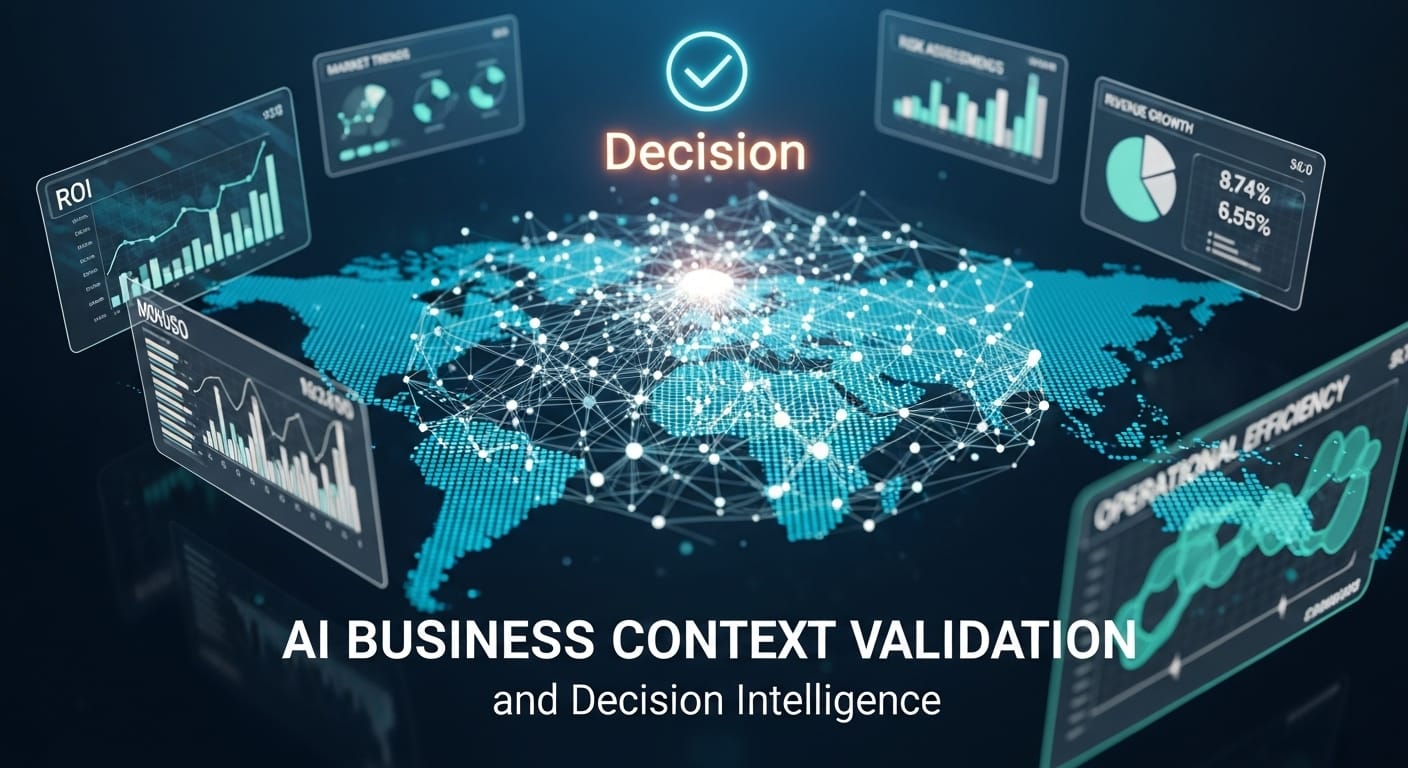
AI business context validation focuses on making sure automated decisions align with real-world goals. It evaluates whether data, predictions, and actions make sense within business environments.Systems analyze scenarios, test outcomes, and recommend strategies. Leaders receive insights, not just numbers. This helps avoid blind reliance on automation.Context-aware AI prevents costly mistakes. It understands seasonality, customer behavior, and market conditions. Decisions become balanced. Technology supports judgment instead of replacing it.
Benefits of AI Automation Services for Organizations
AI automation services reduce operational costs. Tasks complete faster. Staffing needs stabilize. Productivity rises without burnout. That financial efficiency matters in competitive markets.
They also improve accuracy. Machines don’t get tired. They don’t forget steps. Quality becomes consistent. Compliance improves. Risk decreases.Another benefit is scalability. As demand grows, systems expand. No massive hiring cycles. No training delays. Automation absorbs growth smoothly.Finally, employees benefit. Repetitive work disappears. People focus on creative, strategic, and interpersonal tasks. Job satisfaction often improves.
Real-World Examples of AI-Driven Workflows
A logistics company uses AI to optimize delivery routes. Fuel costs drop. Delivery times improve. Customers stay loyal.A marketing agency automates reporting. AI generates insights weekly. Account managers spend more time advising clients.
A healthcare provider schedules appointments using intelligent systems. Wait times decrease. Patient satisfaction rises.These examples aren’t futuristic. They exist today. They show how small improvements compound into major advantages.
Common Mistakes in AI and Automation Adoption
One mistake is rushing implementation. Companies buy tools without clear strategy. Systems remain unused. ROI disappears.
Another is poor data quality. AI learns from what it sees. Bad data leads to bad decisions. Cleaning data is essential.Some organizations ignore employee training. People resist tools they don’t understand. Adoption fails without education.Over-automation is another risk. Not everything should be automated. Human judgment still matters. Balance is critical.
Comparing Traditional Automation vs AI-Driven Systems
Traditional automation follows fixed rules. It works well for predictable processes. But it breaks when conditions change.AI-driven systems adapt. They learn from experience. They respond to new patterns. They evolve.
Traditional systems require frequent updates. AI systems self-improve. Over time, maintenance decreases.For complex environments, AI-driven automation offers resilience. For simple tasks, traditional automation may still suffice.
Traditional vs AI-Powered Automation
| Feature | Traditional Automation | AI Automation |
|---|---|---|
| Adaptability | Low | High |
| Learning Ability | None | Continuous |
| Maintenance | High | Moderate |
| Scalability | Limited | Strong |
| Decision Support | None | Advanced |
This comparison explains why businesses increasingly choose intelligent systems.
The Human Role in AI-Driven Organizations
Despite automation, people remain essential. Creativity, empathy, ethics, and leadership cannot be coded easily. Technology supports these qualities. It does not replace them.
Successful teams collaborate with machines. They review outputs. They refine processes. They guide development.The best environments treat AI as a colleague, not a threat. It handles routine tasks. Humans handle meaning, vision, and values.
Building Long-Term Strategies with AI and Automation
Short-term projects rarely deliver full value. Long-term strategies focus on integration, learning, and improvement. They evolve with business goals.
Organizations must assess processes regularly. Identify new automation opportunities. Retire outdated systems. Upgrade intelligently.Partnerships matter too. Vendors, consultants, and platforms like Kuikwit.com provide infrastructure that supports scalable automation. Strong ecosystems enable sustainable growth.
Ethics, Trust, and Transparency in Automation
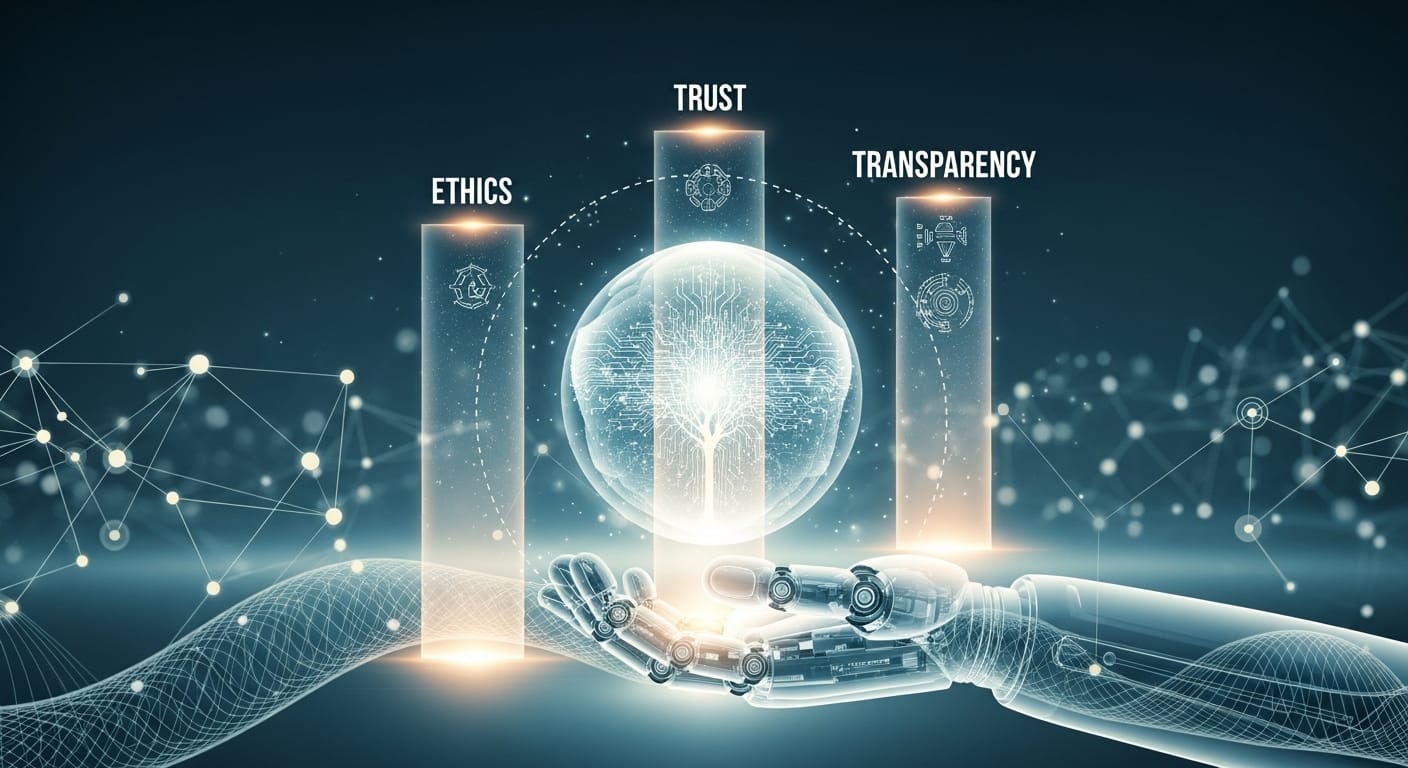
As systems gain power, ethics matter more. Transparency builds trust. Users should know how decisions happen. Data usage must be responsible.Regulations increasingly address AI governance. Companies that act early avoid future risks. Ethical automation protects reputation.Trust grows when technology respects privacy, fairness, and accountability. Without trust, adoption fails.
Full FAQ Section
What industries benefit most from AI and automation?
Manufacturing, marketing, healthcare, finance, logistics, and customer service.
Is AI automation expensive?
Costs vary, but cloud services make entry affordable.
Can small businesses use automation?
Yes. Many tools are designed for small teams.
Does automation eliminate jobs?
It changes roles more than it eliminates them.
How long does implementation take?
From weeks to months, depending on complexity.
Is data security important in AI systems?
Yes. Security is critical for trust and compliance.
Can automation improve customer experience?
Yes. Faster, more accurate service increases satisfaction.
Do automated systems need supervision?
Yes. Human oversight remains essential.
Most people don’t notice when systems get smarter.They just feel work getting lighter. Processes getting smoother. Decisions getting clearer.
AI and automation don’t remove effort. They redirect it.
From repetition to creation. From noise to focus. From chaos to structure.And that shift, quietly happening in the background, is what defines the modern digital era.