Messaging Strategy for Sales: What Actually Works 2026
Discover how better messaging strategies boost sales and customer loyalty. Learn proven tactics, personalization tips, and how Kuikwit simplifies omnichannel messaging.

Imagine this. A customer visits your online store, adds a few items to the cart, then disappears. No checkout, no explanation, just silence. A few minutes later, they receive a simple message reminding them their items are still waiting. They return, finish the purchase, and move on with their day. No discount involved. No aggressive ad. Just the right message at the right moment. That’s what a solid messaging strategy does. It fills gaps where customers hesitate and gently nudges them forward without pressure.
What is a messaging strategy in sales?
A messaging strategy in sales defines how a business communicates with customers across different channels to guide them toward a purchase. It focuses on timing, clarity, personalization, and consistency throughout the customer journey.
How does a messaging strategy help increase sales?
A strong messaging strategy increases sales by responding at the right moment, addressing customer hesitation, and building trust. Timely and relevant messages reduce friction and help customers move confidently toward checkout.
Why is messaging important in the sales funnel?
Messaging keeps customers engaged at critical decision points. It helps answer questions, provide reassurance, and prevent drop-offs during moments of uncertainty, especially before purchase.
Why Messaging Strategy Matters for Sales
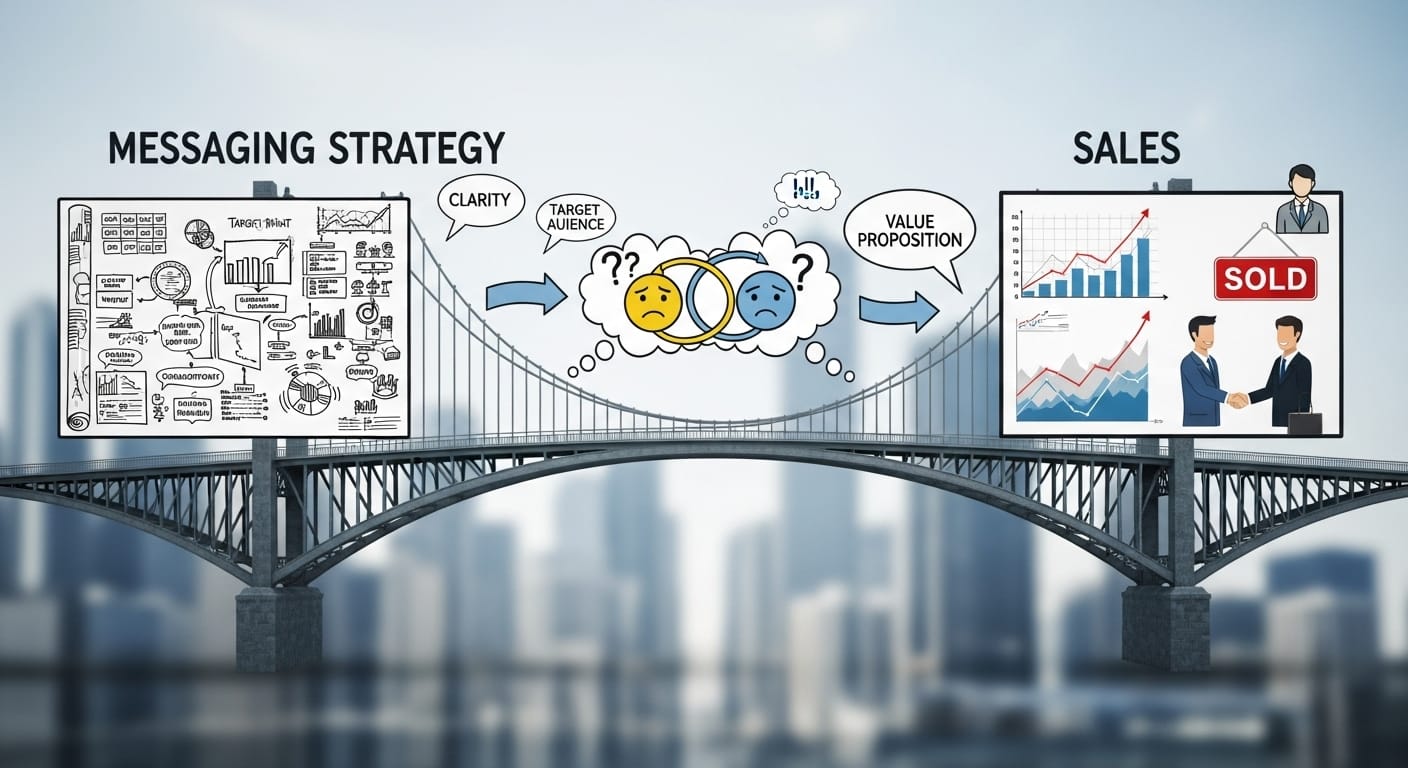
Customer messaging is no longer limited to support tickets or complaints. It has become a direct sales driver. Today’s customers expect fast, clear, and personalized communication, especially when they’re close to making a decision. When businesses respond quickly and appropriately, trust forms almost instantly. That trust lowers hesitation and increases the likelihood of conversion. In many cases, a timely message powered through an enterprise messaging hub can outperform a paid ad because it speaks directly to intent rather than interruption.
Messaging as a Sales Channel, Not Just Support
Messaging used to be reactive. A customer had a problem, and support stepped in. Now, messaging is proactive and revenue-focused. Customers ask questions mid-journey, compare options, and look for reassurance before buying. Messaging allows businesses to stay present during those moments instead of losing momentum. A single conversation can move a lead from uncertainty to checkout. When messaging is treated as a sales channel, it becomes a powerful bridge between interest and action.
Personalization Is Where Conversions Start
Generic messages are easy to ignore. Personalized ones feel intentional. Using a customer’s name, referencing a product they viewed, or acknowledging a past purchase changes the tone of the conversation instantly. It stops feeling automated and starts feeling human. Personalization doesn’t require complex data either. Even small contextual cues show attentiveness—especially as brands adapt to the future of customer communication. Customers who feel understood are far more likely to engage, trust the brand, and complete a purchase without second thoughts.
Omnichannel Communication Keeps Sales Moving
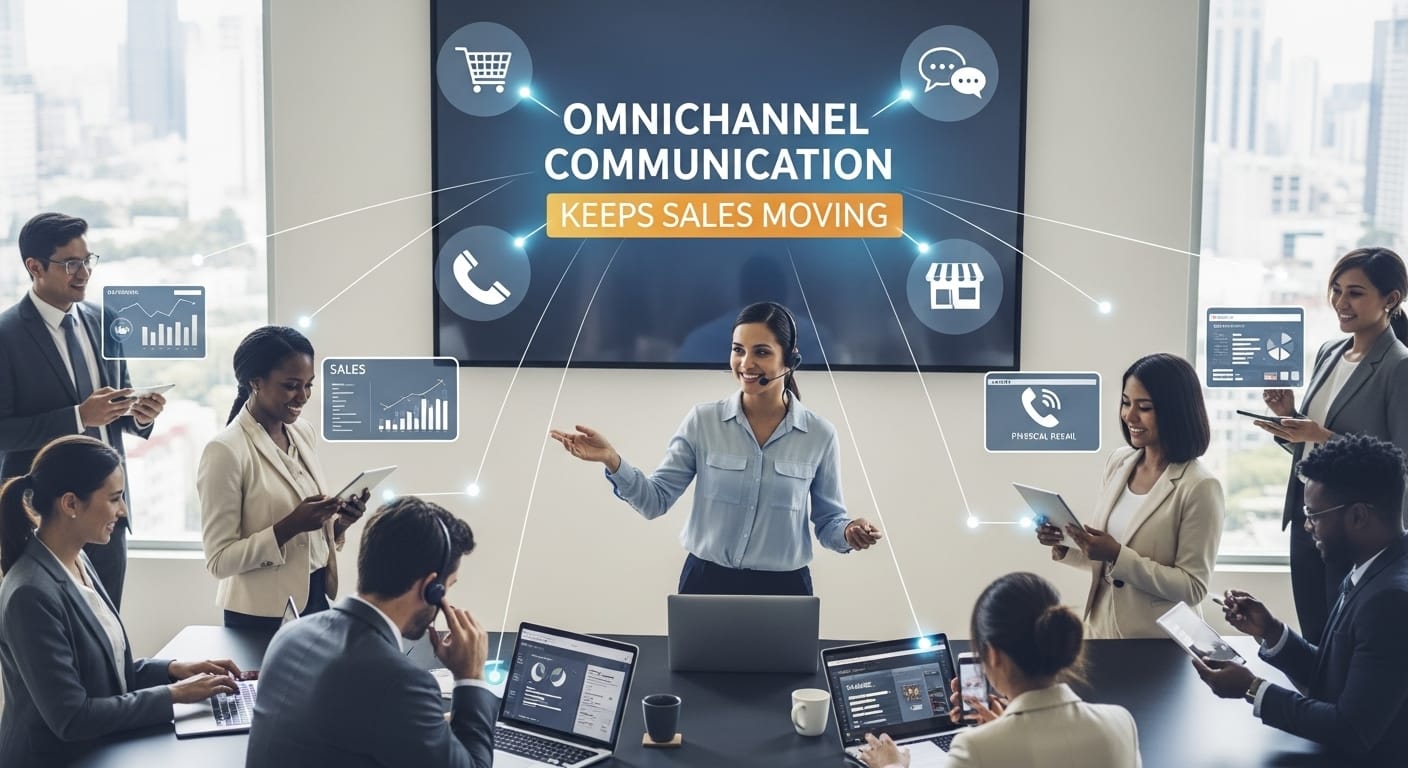
Customers don’t stick to one platform. They might start on Instagram, move to email, and then ask a final question on live chat. Omnichannel communication ensures those conversations stay connected. Without it, messages get lost, context disappears, and customers repeat themselves. A unified messaging approach keeps everything in one place, allowing teams to respond faster and more accurately. This consistency reduces friction and shortens the path from first contact to sale.
Timing Turns Interest Into Action
The success of a message often depends entirely on when it’s sent. A follow-up sent minutes after cart abandonment can recover a sale, while the same message sent a day later might be ignored. Timing matters because customer intent fades quickly. Messaging strategies that combine automation with behavioral triggers perform better because they respond while interest is still fresh. When businesses respect timing, messages feel helpful rather than intrusive.
Clear Calls-to-Action Improve Conversions
Every sales message should guide the customer toward a clear next step. Whether it’s returning to the cart, viewing a product, or asking another question, clarity removes hesitation. Vague messages slow decision making, while simple calls-to-action create momentum. Customers shouldn’t have to guess what to do next. When messaging is direct and purposeful, it reduces confusion and increases completion rates across the funnel.
Automation With a Human Backstop
Automation plays a vital role in scaling messaging without delays. It handles routine questions, order updates, and reminders efficiently. But automation alone isn’t enough. Customers still value empathy and human understanding when issues get complex. The strongest messaging strategies balance speed with authenticity. Automation provides the quick first response, while human agents step in when context and judgment matter. This balance keeps conversations efficient without feeling cold.
Messaging Strategies That Directly Boost Sales
Abandoned cart reminders bring hesitant buyers back. Product recommendations increase average order value. Exclusive offers create urgency without over-discounting. Proactive support messages reduce uncertainty before it becomes friction. Feedback requests strengthen long-term relationships. Each of these strategies works because messaging meets customers where they are in the journey. Over time, these small, consistent interactions compound into measurable revenue growth.
Technology Makes Messaging Sustainable
Even the best messaging strategy fails without the right tools. Managing conversations across platforms manually leads to delays, missed leads, and burnout. Centralized messaging platforms simplify workflows by bringing everything into one inbox. They preserve context, speed up responses, and provide visibility into customer behavior. When communication becomes easier to manage, businesses can focus on building relationships instead of chasing messages.
The Real Sales Impact of Better Messaging
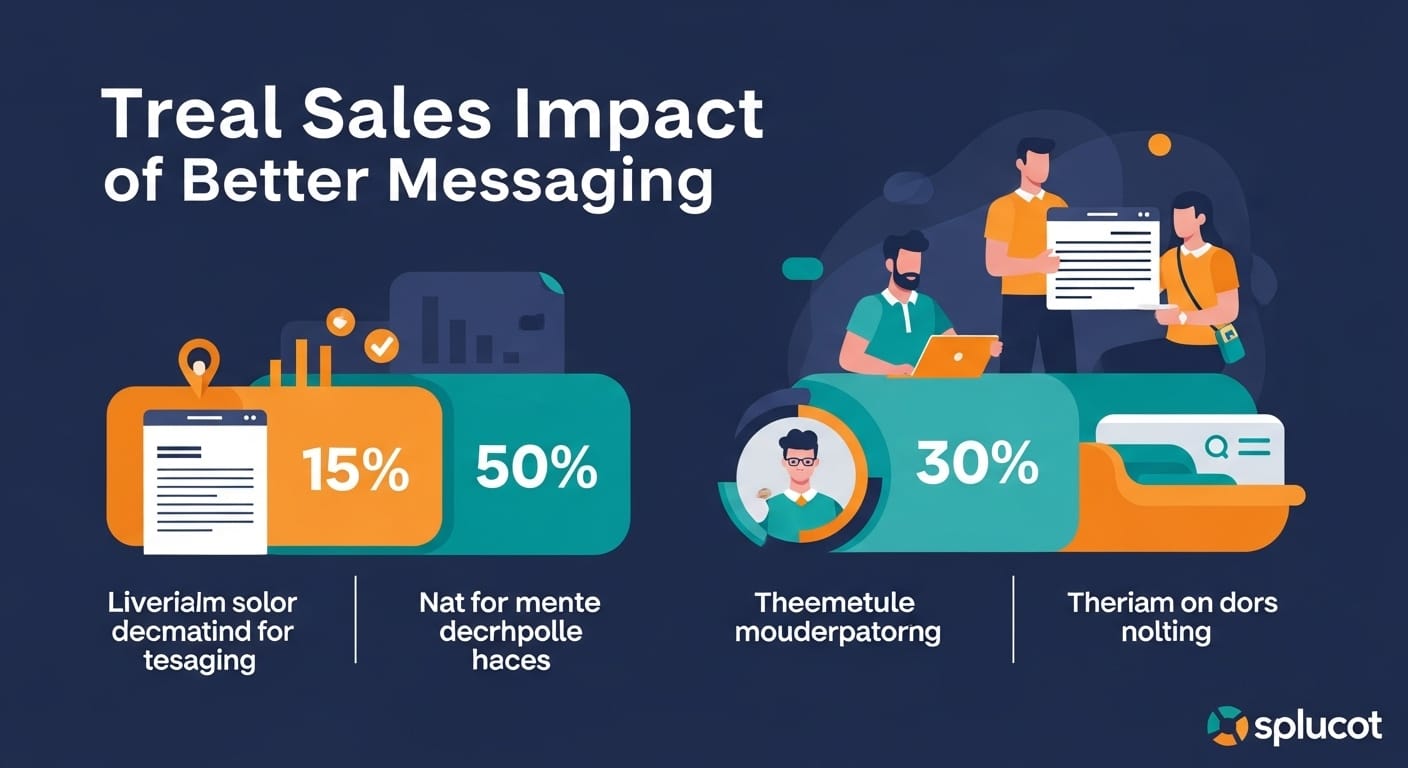
Faster response times improve conversion rates. Personalized conversations increase engagement. Omnichannel messaging reduces drop-offs. Consistent follow-ups improve customer lifetime value. These results aren’t theoretical—they’re measurable. Messaging doesn’t replace marketing or sales teams. It strengthens them by closing the gap between interest and action. When done well, messaging becomes one of the most efficient revenue drivers available.
Final Thoughts
Boosting sales isn’t always about bigger budgets or louder campaigns. Often, it’s about better conversations. When customer messaging feels timely, personal, and effortless, customers stay engaged longer and trust faster. That trust turns into purchases, loyalty, and repeat business. The real question isn’t whether messaging affects sales. It’s whether your messaging strategy is strong enough to support them.
FAQs — People Also Ask
What is a messaging strategy in sales?
A messaging strategy defines how businesses communicate with customers across channels to guide them toward purchase and retention.
How does messaging help boost sales?
It enables real-time responses, personalization, timely follow-ups, and trust-building conversations that increase conversions.
What is omnichannel messaging?
Omnichannel messaging connects conversations across email, chat, social media, and messaging apps into one unified experience.
Can messaging reduce cart abandonment?
Yes. Timely reminders and follow-ups often bring customers back before interest fades.
Is automation good for customer messaging?
Yes, when balanced with human support. Automation improves speed while humans ensure empathy and clarity.