Chatbox Explained: Why Businesses Can’t Ignore It in 2026
Learn what a chatbox is, how it works, and why it’s vital for chat communication, virtual chat, and chat support. Explore free chat box tools and chat home base systems.

In a digital-first economy, speed has quietly become the new baseline. People don’t just prefer fast replies anymore—they expect them. Whether it’s a customer browsing a website at midnight or a prospect comparing options during a lunch break, delayed responses now feel like silence. That shift is exactly why the chatbox has moved from a “nice-to-have” feature to a core business tool.
What once looked like a small pop-up in the corner of a screen has turned into a full-scale communication layer between brands and users. And in 2025, it’s shaping how trust, support, and sales actually happen.
What Is a Chatbox, Really?
At its core, a chatbox is an automated or semi-automated messaging interface that allows users to communicate with a business in real time. It usually lives on a website, app, or messaging platform, ready to respond the moment someone types a question—making it a powerful tool for digital customer support, instant engagement, and 24/7 user assistance.
But reducing it to a definition misses the point. A modern chatbox functions more like a virtual front desk. Always available. Always responsive. Capable of answering questions, guiding decisions, and escalating conversations when human input is needed.
You’ve seen it before. A friendly prompt appears:
“Need help finding the right plan?”
That’s not just convenience. That’s intent capture in action.
How a Chatbox Works Behind the Scenes
While the experience feels simple, the mechanics are layered. When a user sends a message, the chatbox processes it using predefined logic, artificial intelligence, or both. Natural language processing helps interpret intent rather than just keywords.
Based on that interpretation, the system pulls responses from a knowledge base or triggers specific workflows. If the request goes beyond its scope, the chatbox routes the conversation to a live agent, often without the user even noticing the transition. This entire process is powered by speed in customer communication, where automation, AI logic, and response routing happen seamlessly. All of this happens in seconds — and that speed is what keeps conversations alive instead of abandoned.
Different Types of Chatboxes Businesses Use
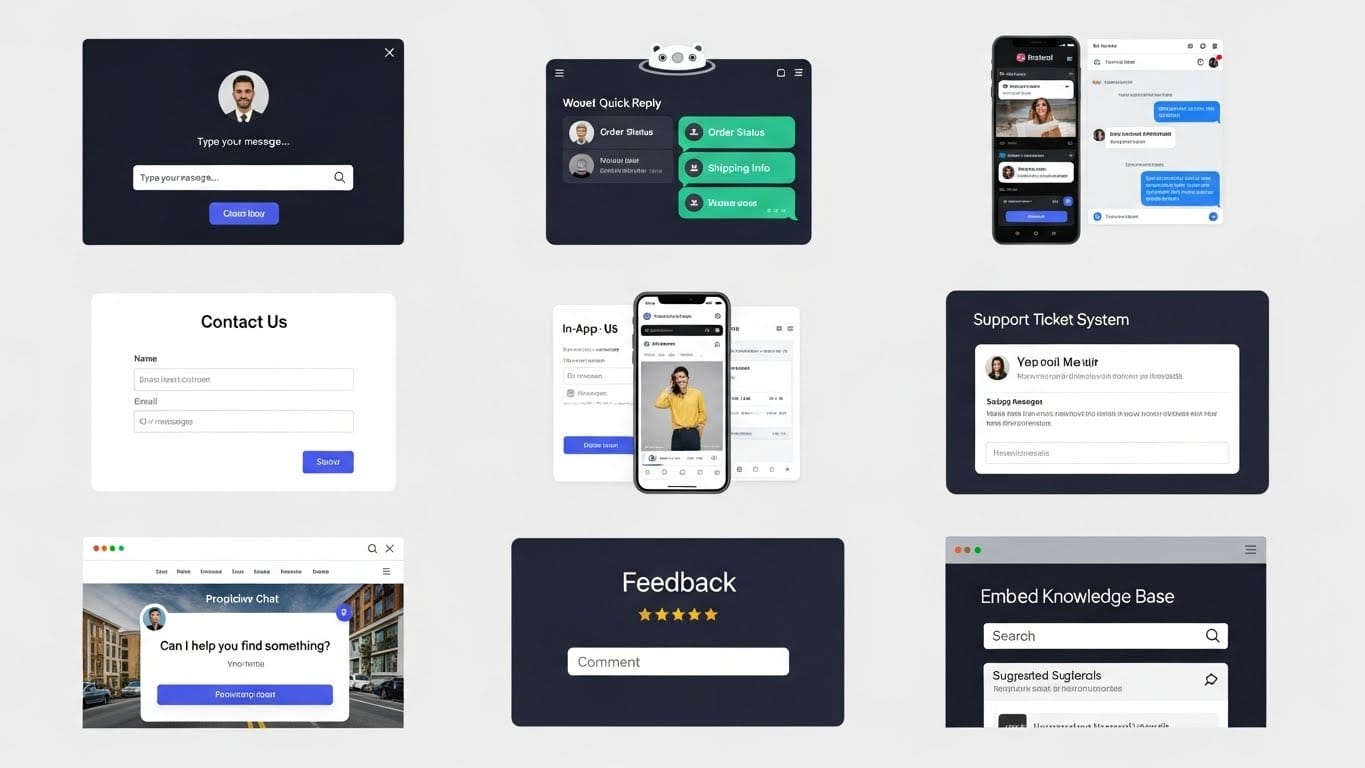
Not all chatboxes are built the same, and the difference matters.
Rule-based chatboxes rely on structured decision trees. They’re reliable for FAQs, order tracking, and basic navigation. Simple. Predictable. Efficient.AI-powered chatboxes go further. They learn from conversations, adapt to phrasing, and handle more nuanced requests. These systems support personalization and scale without sounding mechanical.
Then there’s the hybrid model. Automation handles the routine. Humans handle the complexity. This balance is where many businesses land because it preserves efficiency without sacrificing empathy.
Why Chatboxes Have Become Business-Critical
The real value of a chatbox isn’t just automation. It’s availability.
Customers don’t operate on business hours anymore. A chatbox ensures your brand doesn’t disappear when your team logs off. It shortens response times, reduces operational costs, and keeps engagement active.More importantly, it improves experience. When users get answers instantly, frustration drops. Trust builds. And conversions follow naturally, not aggressively.
What Chatboxes Are Actually Used For
Customer support is the obvious use case, but it’s far from the only one. Chatboxes now assist with sales discovery, lead qualification, appointment scheduling, and post-purchase follow-ups.
They collect feedback without friction. They guide users through decision paths. They surface relevant information at exactly the right moment.In many cases, they do what forms and emails never managed to do—start conversations instead of ending them.
Chatbox vs Live Chat: Where Each Fits
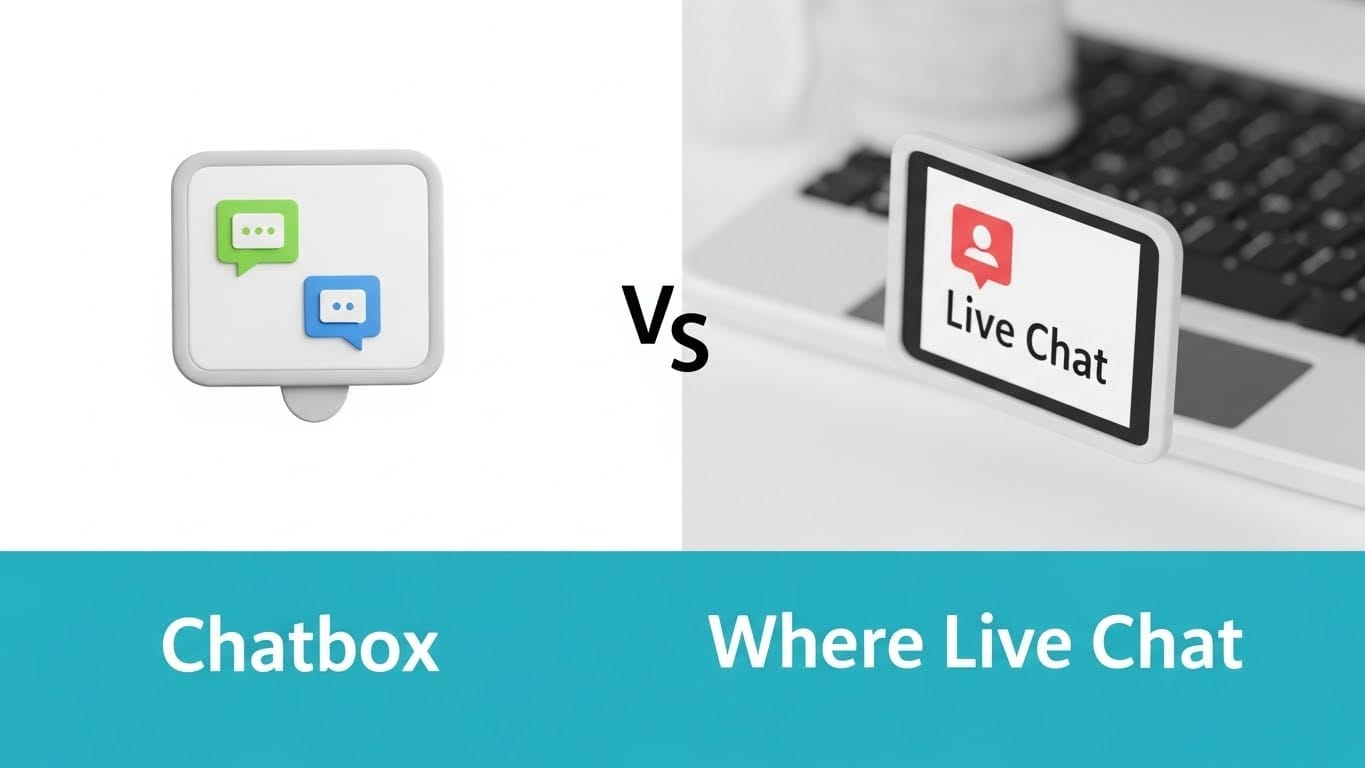
Live chat still matters. Human nuance can’t be fully automated. But relying on humans alone doesn’t scale.
Chatboxes handle the first layer of interaction. Live agents step in when emotional context, complex problem-solving, or negotiation is required. Together, they form a system that feels responsive without being overwhelming.
That combination is now the standard, not the exception
Free Chatboxes and the “Chat Box Gratuit” Trend
Searches for “chat box gratuit” reflect a growing interest in free or entry-level chat solutions. These tools allow businesses to experiment with chat communication without upfront investment.
Free versions usually offer basic automation, limited customization, and minimal analytics. They’re useful for testing workflows and understanding user behavior. But as volume grows, most businesses eventually move to paid platforms for scalability and control.
Chat Base: The Intelligence Layer That Matters
A chatbox is only as good as its chat base. This is the structured knowledge that powers responses—FAQs, product data, policies, and historical interactions.A strong chat base ensures consistency. It reduces errors. And when paired with AI, it allows the system to improve over time instead of repeating the same mistakes.
Think of it as training, not programming.
Why Chat Communication Outperforms Traditional Channels
Chat communication works because it aligns with how people think. Short messages. Immediate feedback. No formalities.
It removes friction. Users don’t need to commit to a call or draft an email. They can ask, clarify, and decide in one flow. Chatboxes amplify this by keeping that flow uninterrupted, even during peak traffic.
The Power of a Strong Chat Opening
The first message matters more than most teams realize. A chat opening sets tone, intent, and comfort level.A generic “How can I help?” gets ignored. A contextual, friendly prompt invites interaction. It signals presence without pressure.
Good chat openings don’t interrupt. They assist.
Chat Home Base: Centralizing Conversations
As businesses expand across platforms, managing conversations becomes chaotic. A chat home base solves that by bringing all interactions into one unified dashboard.Whether messages come from websites, social media, or messaging apps, everything funnels into a single workspace. Teams gain context, history, and accountability. Customers get consistency.
This is where chat support stops being reactive and becomes strategic.
Virtual Chat and the Direction We’re Heading
Virtual chat systems are evolving fast. AI is pushing them beyond scripted responses into contextual understanding. Multilingual support. Sentiment detection. Predictive assistance.
In the near future, virtual chat won’t just answer questions. It will anticipate them. That shift changes customer experience from reactive to proactive.
Chat Support as a Brand Touchpoint
For many users, chat support is the first real interaction with a brand. That moment sets expectations.
When chat support feels rushed or robotic, trust erodes. When it feels responsive and thoughtful, loyalty builds. The technology matters, but tone matters more.Good systems combine automation with humanity, not one at the expense of the other.
Why Businesses Keep Investing in Chatboxes
The benefits compound over time. Faster engagement. Lower support costs. Higher conversion rates. Actionable data.
Chatboxes don’t just answer questions. They reveal patterns. They show where users hesitate, what they ask, and when they leave. That insight feeds better decisions across marketing, sales, and product teams.
Choosing the Right Chatbox Platform
The right chatbox depends on scale, audience, and goals. Key factors include omnichannel support, automation depth, analytics, security, and team collaboration.Platforms that unify chat communication, chat support, and virtual chat under one system tend to age better as businesses grow.
In today’s digital-first world, real-time communication is what sets great businesses apart from the rest. Customers no longer want to wait hours or even days for replies they expect instant, helpful, and human-like responses.
This is where the chatbox (or chatbot) comes in a simple yet powerful tool that has completely changed how brands communicate with their customers.But what exactly is a chatbox? How does it work? And why is it becoming a must-have for every business in 2025?
Let’s dive deep into everything you need to know about chatboxes from their features and benefits to real-world uses and future trends.
Final Thoughts
A chatbox isn’t just a widget anymore. It has slowly become the space where attention turns into action, where a passing question turns into a decision. It sits right at that thin line between curiosity and conversion, often doing its job without demanding much notice.
As AI matures and user expectations continue to rise, chatboxes will keep evolving in the background. Smarter. Quieter. More aware of context and intent. They’ll shape conversations in ways most users won’t consciously track, yet would instantly feel the absence of if they were removed. No waiting. No searching. No friction.
That’s usually how the most effective tools work. They don’t interrupt. They don’t announce themselves. They simply become part of how things flow—supporting conversations, reducing effort, and making interactions feel natural rather than forced.
FAQs — People Also Ask
What is a chatbox used for?
A chatbox is used for real-time customer support, sales assistance, lead generation, appointment booking, and feedback collection.
Are chatboxes better than live chat?
They serve different purposes. Chatboxes handle routine and high-volume queries, while live chat is better for complex or emotional conversations.
Can chatboxes work without AI?
Yes. Rule-based chatboxes function without AI, though AI-powered systems offer more flexibility and personalization.
Is a free chatbox good for small businesses?
Free chatboxes are useful for testing and low-volume needs, but growing businesses usually require paid solutions for scalability.
Will chatboxes replace human support?
No. They reduce workload but work best alongside human agents, not instead of them.