Client Relationship Partner 2026: A Guide for Growth
A strong client relationship partner helps businesses build trust, manage customer data, and improve retention through smart CRM systems and meaningful communication.


Most people think business relationships are built in meetings, contracts, and follow-up emails. But that’s only part of the story. Real connections happen quietly. In small moments. In how quickly you respond. In how well you remember details. In how seriously you take someone’s concerns.
A client relationship partner isn’t just a title. It’s a mindset. A way of working that puts trust, systems, and consistency at the center of every interaction.
And in today’s digital world, that mindset needs the right tools too.
Introduction
A client relationship partner is a professional or system that helps businesses manage, nurture, and grow long-term client connections using structured communication, data insights, and personalized engagement. By combining relationship management skills with modern CRM management tools and platforms like Kuikwit.com, along with proven sales boosting strategies, businesses can improve customer retention, satisfaction, and lifetime value without losing the human touch.
Quick FAQ
What is a client relationship partner?
It is a person, team, or system responsible for managing and strengthening client relationships over time.
Is it better than traditional sales support?
Yes, because it focuses on long-term value instead of short-term transactions.
How does it work?
By combining CRM systems, communication tools, and personalized service strategies.
Understanding the Role of a Client Relationship Partner

A client relationship partner does much more than answer emails or schedule meetings. This role exists to protect trust. To make sure every interaction feels intentional. To ensure no client feels forgotten once a contract is signed.
In many companies, this role bridges sales, service, and support. It keeps conversations flowing even after onboarding. It tracks preferences. It remembers history. It anticipates needs. Over time, this creates a sense of continuity that clients rarely get from fragmented departments.
Modern businesses cannot rely on memory alone. That’s where customer management tools and CRM systems step in. They provide structure without removing empathy. By staying aligned with emerging business messaging trends, a good relationship partner uses these tools quietly in the background while keeping communication personal on the surface.
The best ones don’t feel like account managers. They feel like collaborators.
What Is CRM Software and Why It Matters
Many business owners still ask, what is CRM software and why do I need it? The answer is simple. Without it, relationships become scattered. Information gets lost. Follow-ups slip through cracks.
CRM software stores conversations, preferences, transaction histories, and engagement patterns in one place. It creates a shared memory for the organization. Whether you use Salesforce to CRM integrations or Zoho client management systems, the goal remains the same: consistency.
With CRM management tools, teams stop guessing. They know when to check in. They know what matters to the client. They know which deals are sensitive and which accounts need extra care.
When combined with a client relationship partner mindset, CRM stops being just software. It becomes a relationship engine.
Client Relationship Management in the Digital Era
Client relationship management today looks very different from ten years ago. It is no longer limited to phone calls and spreadsheets. It includes chat systems, email automation, analytics dashboards, and real-time feedback loops.
Customers expect fast responses. Clear communication. Seamless transitions between departments. If they repeat themselves three times, trust erodes. Quietly.
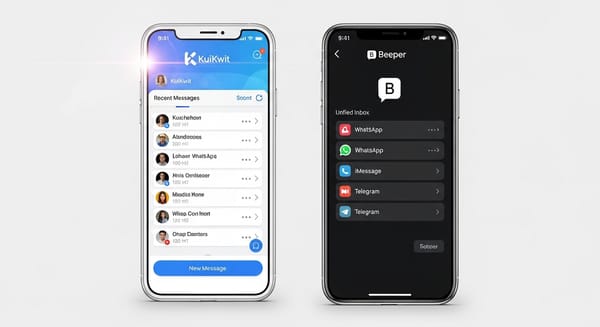
That’s why modern relationship management depends on integrated systems. Platforms like Kuikwit.com act as centralized message hubs, allowing businesses to manage conversations from multiple channels in one place. This supports relationship partners by giving them a full view of client communication.
The more unified the system, the more human the experience feels.
How CRM Management Tools Support Client Relations
CRM management meaning goes beyond storing contacts. It means actively shaping how relationships evolve. Good tools support proactive engagement instead of reactive responses.
With proper CRM management tools, relationship partners can set reminders, track milestones, and monitor engagement levels. They can notice when communication slows down. When dissatisfaction rises. When opportunities appear.
Instead of waiting for problems, they prevent them.These tools also support collaboration. Sales, service, and marketing teams see the same data. No silos. No confusion. Just shared responsibility for client success.And when used well, clients never see the system. They only feel the care.
Salesforce to CRM and Platform Integration
Salesforce to CRM integrations remain one of the most widely used systems in enterprise environments. They allow companies to connect sales pipelines with customer service and relationship management functions.
When relationship partners use integrated systems, they gain access to predictive analytics, customer journey tracking, and performance dashboards. This helps them understand where clients are emotionally and commercially.Zoho client management platforms offer similar capabilities for small and mid-sized businesses. They provide flexibility without heavy technical complexity.The key is not the brand. It’s how well the system fits your workflow and culture.
Using Kuikwit.com as a Communication Hub
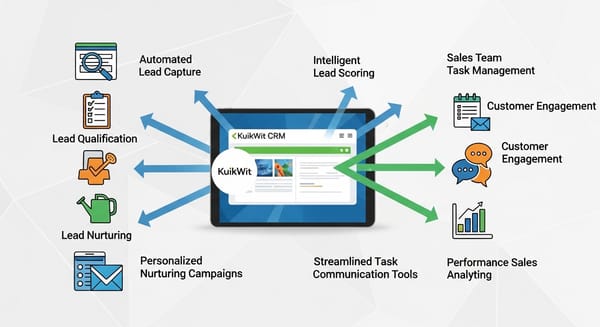
Kuikwit.com plays a growing role in modern client relations by centralizing messages across platforms. Emails, chats, notifications, and internal notes come together in one dashboard.For client relationship partners, this removes friction. No more switching between tabs. No more missed messages. No more fragmented histories.
With AI-supported sorting and prioritization, Kuikwit helps partners focus on what matters most. Urgent issues rise. Routine requests settle quietly. Strategic conversations stay visible.This kind of system supports emotional intelligence with technical structure. And that balance matters.
Benefits of Having a Dedicated Relationship Partner
One major benefit is retention. Clients stay when they feel understood. When they feel remembered. When they feel valued.
Another benefit is revenue stability. Long-term relationships lead to repeat business. Referrals. Upsells. Expansion opportunities. Not through pressure, but through trust.Operational efficiency improves too. Fewer misunderstandings. Fewer escalations. Fewer last-minute crises.And internally, teams work better. Clear ownership reduces confusion. Accountability improves. Culture strengthens.It’s quiet progress. But powerful.
Real-Life Examples of Relationship Management Success
A SaaS startup assigned dedicated relationship partners to its top clients. Within six months, churn dropped by 30%. Clients felt supported beyond onboarding.A consulting firm integrated Zoho client management with Kuikwit. Response times improved. Client satisfaction scores rose. Internal stress fell.A manufacturing company linked Salesforce to CRM dashboards. Relationship partners identified declining engagement early and intervened. Contracts were saved.
None of this was magic. It was structure applied with care.
Common Mistakes in Client Relationship Management
One common mistake is over-automation. When clients feel they’re talking to systems instead of people, trust fades.Another is data overload. Too many metrics. Too little interpretation. Information without insight is noise.Some teams rely too much on salespeople to manage relationships. But sales and relationship management require different skills.Ignoring feedback is another trap. Complaints often contain solutions. If you listen.
And finally, inconsistency. Different experiences across departments confuse clients and weaken loyalty.
Comparing CRM Systems and Relationship Platforms
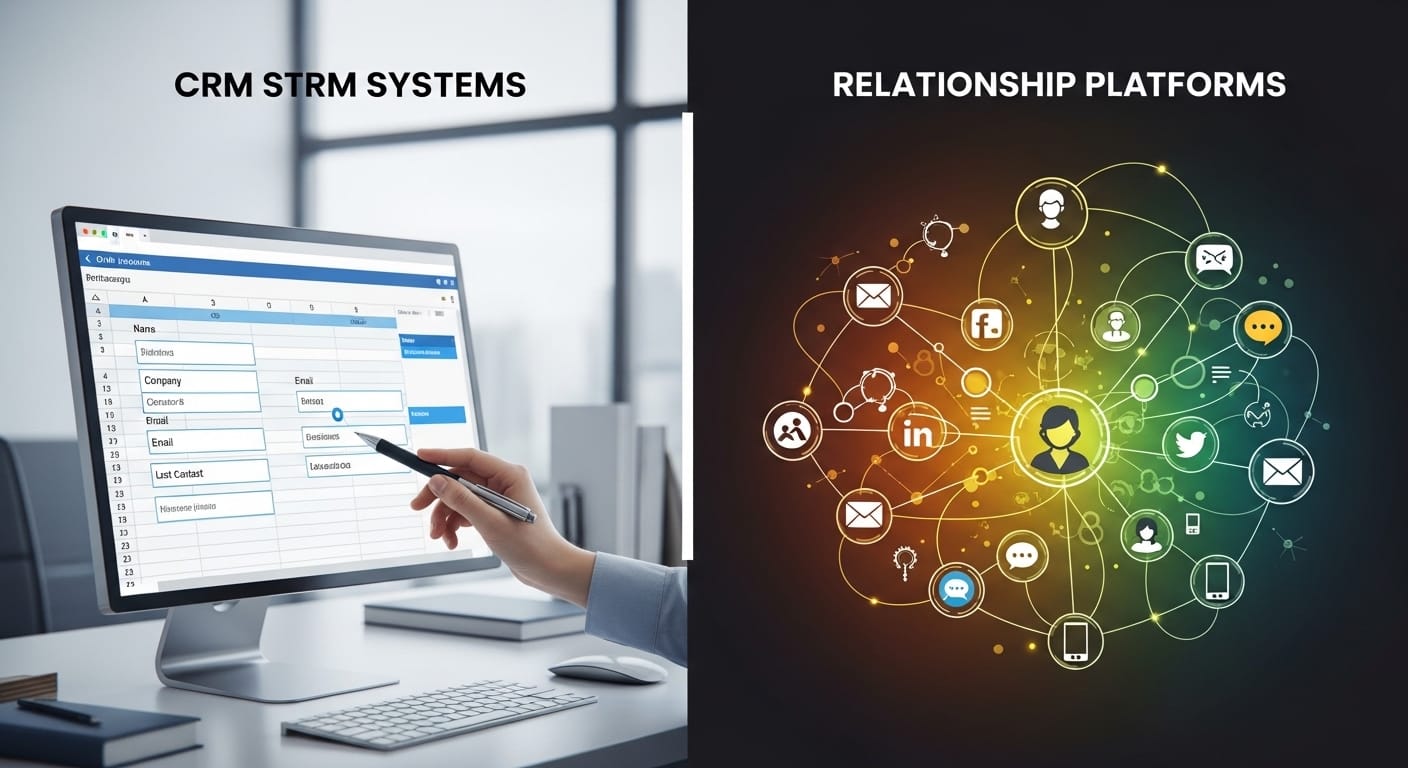
Different CRM systems serve different needs. Salesforce offers enterprise scalability. Zoho provides flexibility. HubSpot simplifies onboarding. Custom systems offer control.
Customer relation management CRM platforms focus on structure. Communication hubs like Kuikwit focus on flow.The best setups combine both.Manual spreadsheets lack adaptability. Standalone chat systems lack history. Integrated platforms support continuity.That continuity defines great relationships.
Building Long-Term Client Relations Strategy
A real strategy starts with values. How do you want clients to feel? Supported? Empowered? Respected?Then comes structure. Choose systems that reflect those values. Train teams accordingly. Design workflows that prioritize relationships.Document processes. Standardize communication. Review performance. Adjust continuously.Long-term success isn’t built in campaigns. It’s built in habits.
Daily habits.
CRM and Relationship Management Tools Overview
| Feature | Traditional CRM | Communication Hub | Integrated System |
|---|---|---|---|
| Data Storage | High | Medium | High |
| Message Centralization | Low | High | High |
| Automation | Medium | Medium | High |
| Personalization | Medium | High | High |
| Scalability | Medium | High | High |
The Human Side of Relationship Management
Systems don’t build relationships. People do.
Technology supports memory. It supports consistency. It supports speed. But empathy still matters. Listening still matters. Timing still matters.Great client relationship partners know when to follow scripts and when to break them. When to escalate and when to wait. When to push and when to pause.That judgment comes from experience. Not software.The tools simply make it easier to practice it well.
Client Relationship Partner and Business Growth
Growth without relationships collapses. Fast.
As companies scale, personal connections often weaken. Systems replace conversations. Templates replace empathy. Efficiency replaces care.A client relationship partner model protects against that. It keeps growth grounded in trust.When combined with CRM management tools and platforms like Kuikwit.com, businesses can scale without losing soul.
That’s rare. And valuable.
Full FAQ Section
What does a client relationship partner do?
They manage long-term client engagement, communication, and satisfaction using structured systems.
Is CRM necessary for relationship management?
Yes. Without CRM systems, consistency and scalability suffer.
Can small businesses use relationship management tools?
Absolutely. Many platforms offer affordable and flexible plans.
How does Kuikwit help client relations?
It centralizes communication and supports real-time collaboration.
Is automation bad for relationships?
No, when balanced. Over-automation becomes a problem.
How long does it take to build strong client relationships?
Usually months, sometimes years. It depends on consistency.
What are CRM systems used for?
They track interactions, manage pipelines, and support engagement strategies.
Can relationship partners increase revenue?
Yes, through retention, referrals, and expansion.
Do clients notice CRM systems?
No. They notice the quality of interaction.
What skills matter most in this role?
Communication, empathy, organization, and adaptability.
Most businesses chase growth first and relationships later.
The ones that last do the opposite.
They build trust quietly. Systematically. Patiently.
With people. With tools. With intention.
And over time, that becomes their biggest advantage.