Customer Data Integration: Tools and Benefits 2026
Customer data integration is becoming essential as businesses collect data from websites, apps, social platforms, and support channels.

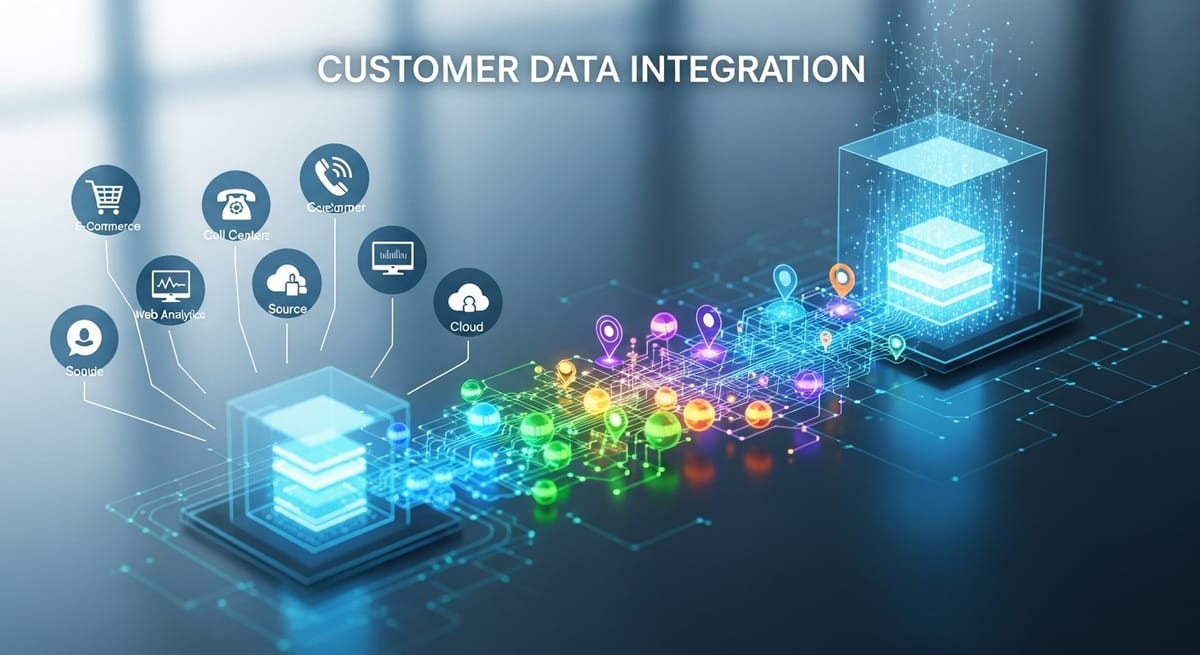
Customer data integration is the process of combining customer information from multiple platforms into a single, unified system. When businesses connect marketing tools, CRM platforms, and communication systems, they gain a clearer understanding of customer behavior and preferences. Proper integration turns scattered data into usable intelligence, helping companies improve personalization, service quality, and long-term customer relationships.
What is customer data integration?
It is the process of merging customer data from multiple systems into one centralized database or repository.
Is it worth implementing?
Yes. It improves customer insights, marketing accuracy, and support efficiency while reducing data duplication.
How does it work?
Integration tools connect databases, APIs, and cloud platforms to sync customer data automatically.
What is Customer Data Integration
Customer data integration is not just about collecting information. It is about creating context. Businesses today interact with customers across email, social media, chat platforms, websites, and apps. Each interaction creates a data fragment.
When these fragments are unified through a strong client relationship partner approach, businesses can build a complete customer picture instead of working with scattered insights. This allows teams to understand behavior patterns, predict needs, and deliver more personalized experiences across every touchpoint.
Without integration, those fragments stay disconnected, and teams work with incomplete insights. When properly integrated, businesses can see customer journeys instead of isolated events. This leads to better targeting, stronger service decisions, and faster problem resolution. Modern companies depend on integration not just for marketing but also for support, compliance, and analytics. The value comes from connection, not collection.
Customer Data Integration in Modern Business Environments

Companies today operate across dozens of tools. CRM systems, marketing automation, customer support dashboards, analytics platforms. Each tool stores customer data differently. Without integration, teams waste time switching systems or manually transferring data. This increases errors and delays decision making.
Integration platforms automate data movement, syncing updates instantly across systems. The result is smoother workflows and consistent customer experiences. Organizations also gain better forecasting accuracy because they work with unified data instead of fragmented snapshots. Over time, integrated data becomes a strategic asset that influences product development and customer engagement strategies.
Integrated Data Repository and Data Integrity
An integrated data repository acts as the central storage point for all customer data. Instead of storing duplicate records across tools, businesses maintain one authoritative dataset. Data integrity becomes easier to maintain because updates sync automatically. Duplicate entries reduce.
Reporting accuracy improves. Security monitoring also becomes easier when data is centralized. Many organizations combine integration with governance rules that ensure data quality and compliance. This is especially important for regulated industries. Over time, maintaining a clean integrated repository improves decision speed and reduces operational risk, especially when supported by strong malware protection strategies across enterprise systems.
What is an Integration and Why It Matters
Integration means connecting systems so they exchange data automatically. Without integration, teams rely on manual exports, imports, or repeated data entry. This wastes time and introduces mistakes. Integration ensures consistency across platforms. When a customer updates contact details in one system, all connected tools update instantly. This creates seamless workflows across marketing, sales, and support teams. Integration also enables automation. Workflows trigger automatically based on customer behavior. Businesses that master integration often gain operational speed advantages over competitors who rely on disconnected systems.
Tealium and Enterprise Data Integration Platforms
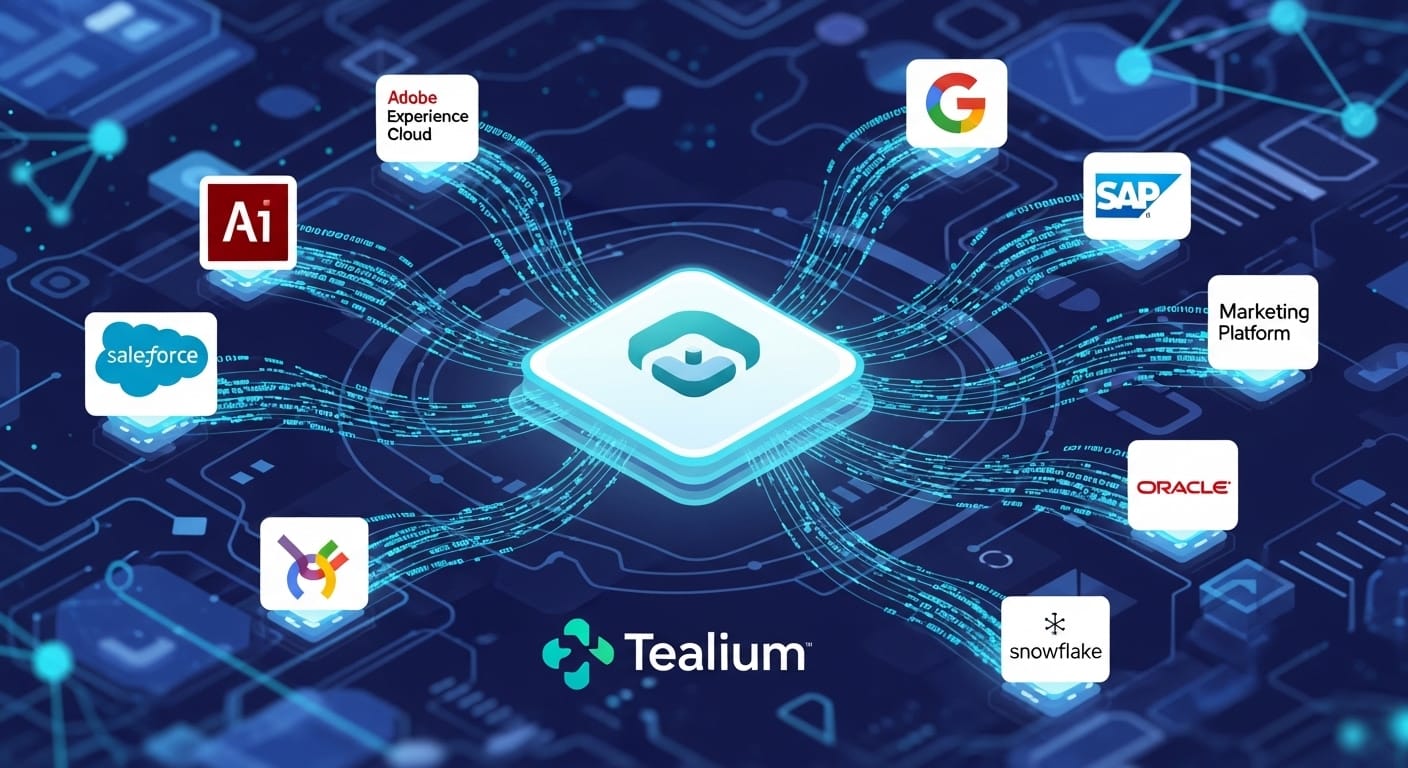
Tealium is widely recognized in enterprise data integration discussions. It helps businesses manage customer data across digital channels. Platforms like Tealium collect event data from websites, mobile apps, and offline systems. Then they distribute this data across marketing, analytics, and personalization platforms. Enterprise solutions focus on scalability and governance. Large companies require tools that handle millions of data points daily. These platforms also support compliance frameworks. For enterprise organizations, integration tools are less about convenience and more about infrastructure reliability and compliance assurance.
People Data Labs Integration and External Data Enrichment
People Data Labs integration allows companies to enrich customer profiles with external datasets. External enrichment adds professional, demographic, or firmographic insights to existing customer records. This improves targeting accuracy and personalization strategies. However, businesses must balance enrichment with privacy compliance. External data sources must align with legal and ethical standards. When used correctly, enriched data helps companies better understand customer needs and predict behavior patterns. Many companies use enrichment for sales intelligence, lead scoring, and market segmentation strategies.
Consumer Data and Personalization Strategy
Consumer expectations changed. People expect personalized experiences. Integrated data enables personalization across all channels. Marketing emails become more relevant. Support interactions become faster. Product recommendations become more accurate. Without integration, personalization feels random or inconsistent. Integrated data enables businesses to track behavior patterns and preferences across multiple touchpoints. This creates smoother customer journeys. Personalization increases loyalty and conversion rates. Companies that master consumer data integration often outperform competitors in customer retention and lifetime value metrics, especially when they focus on boosting sales through data-driven personalization.
Customer Data Integration and Kuikwit Message Centralization
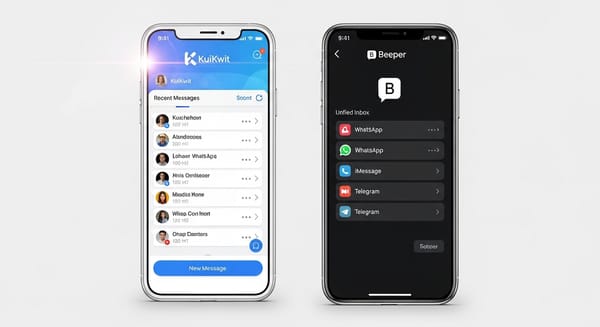
Platforms like Kuikwit support integration indirectly by centralizing communication channels. Kuikwit brings WhatsApp, Instagram, Facebook, and web chat conversations into one dashboard. This reduces data silos in customer communication. When integrated with CRM and analytics tools, platforms like Kuikwit become data sources themselves. Communication data becomes part of the unified customer profile. Businesses gain deeper understanding of customer sentiment and behavior patterns. Message centralization combined with integration creates stronger customer service insights and faster response workflows.
Benefits of Customer Data Integration
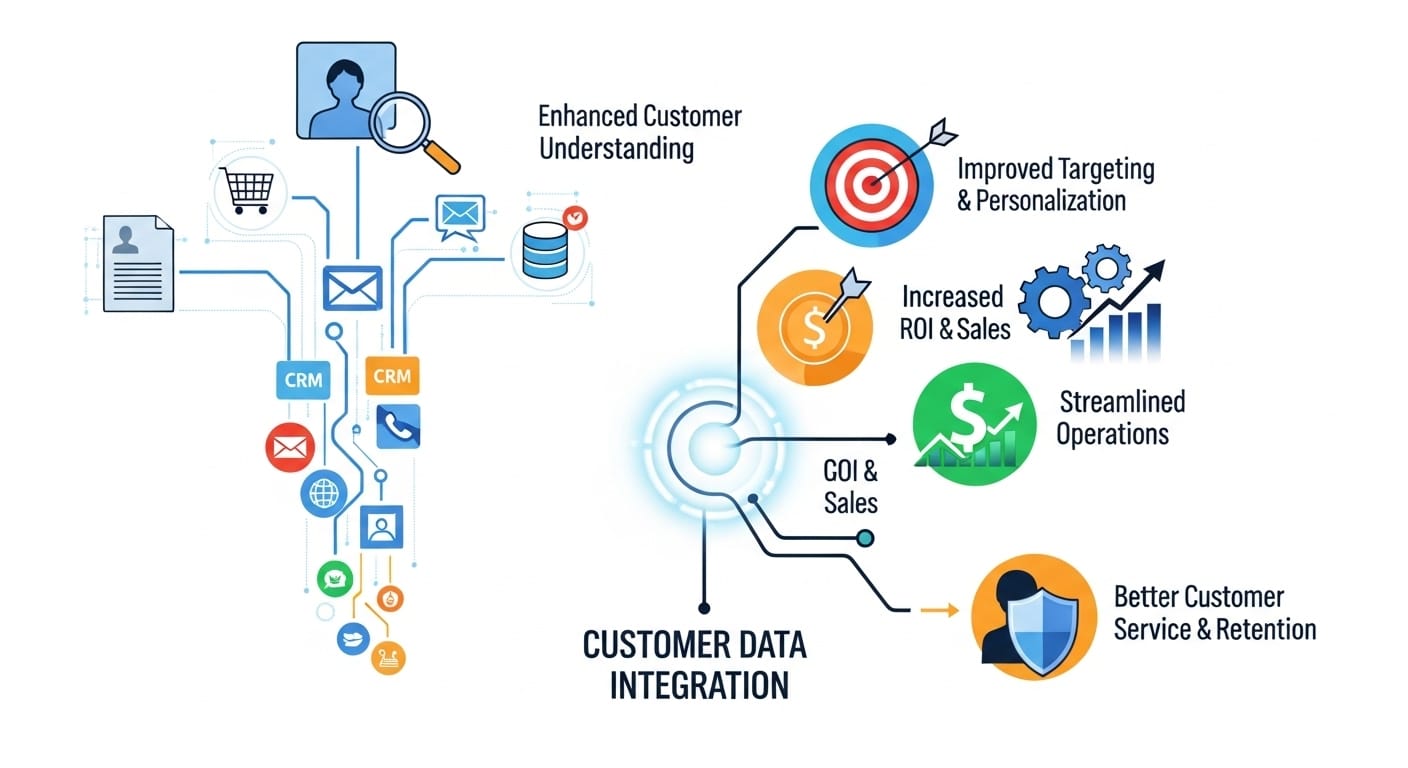
The biggest benefit is visibility. Businesses see full customer journeys instead of isolated interactions. Integration also improves efficiency. Teams spend less time switching tools or correcting data inconsistencies. Customer experiences improve because responses become faster and more personalized. Marketing campaigns become more accurate because targeting uses real behavior data. Integration also supports compliance because centralized monitoring simplifies auditing. Long term, integrated data supports predictive analytics and automation strategies. The real benefit is clarity across the organization.
Real World Examples of Integration Success
Retail companies use integration to connect eCommerce data with support systems. Support teams instantly see order history during customer conversations. SaaS companies connect product usage data with CRM tools. Sales teams understand customer engagement levels before renewal discussions. Financial companies integrate transaction systems with fraud detection tools. Security improves because suspicious patterns appear faster. Healthcare providers integrate patient communication systems with appointment scheduling. Patient experiences improve because data flows seamlessly across departments.
Common Mistakes in Customer Data Integration
One common mistake is integrating too many systems without planning data architecture. This creates messy data pipelines. Another mistake is ignoring data governance. Integration without quality rules creates unreliable insights. Some companies underestimate change management. Teams need training to adapt to integrated workflows. Another mistake is choosing integration tools without scalability planning. Businesses outgrow systems quickly if infrastructure planning is weak. Successful integration requires technical planning and organizational alignment.
Customer Data Integration vs Manual Data Management
Manual data management relies on exports, spreadsheets, and manual updates. It creates delays and errors. Integration automates data synchronization across systems. Manual processes struggle with scaling data volumes. Integration handles growth more efficiently. Manual processes also create inconsistent reporting because data updates happen at different times. Integrated systems provide real time data visibility. Over time, automation reduces operational costs and improves decision speed significantly.
Integration vs Manual Data Management
| Feature | Manual Management | Integrated Systems |
|---|---|---|
| Data Accuracy | Low | High |
| Speed | Slow | Real Time |
| Scalability | Limited | High |
| Automation | None | Full |
| Reporting | Delayed | Instant |
Security and Privacy in Data Integration
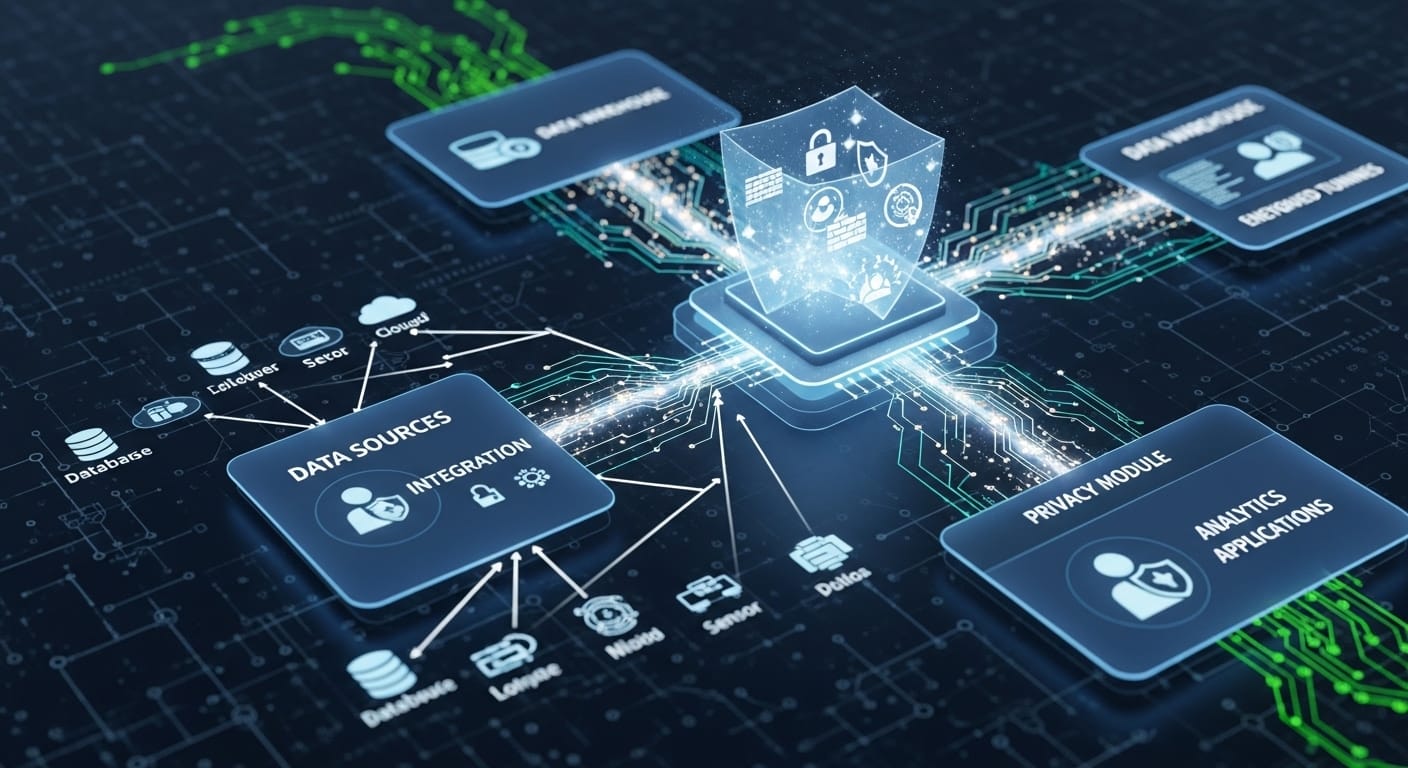
Security becomes more important as integration expands. Integrated systems require encryption, access control, and compliance monitoring. Companies must ensure vendor compliance with GDPR and data privacy laws. Integration tools must support secure API connections. Access permissions must be controlled carefully. Data breaches often happen through weak integrations rather than core systems. Security audits should be routine. Trust comes from transparency and strong data governance practices.
Building Long Term Integration Strategy
Integration is not a one time project. It evolves as businesses grow and adopt new tools. Companies must plan integration architecture carefully. Standardizing data formats improves scalability. Integration monitoring ensures systems stay synchronized. Organizations should review integration performance regularly. Over time, integrated systems support automation, predictive analytics, and advanced personalization strategies. Integration becomes part of business infrastructure rather than just a technical project.
Full FAQ Section
What industries benefit most from integration?
Retail, SaaS, finance, healthcare, and eCommerce benefit heavily.
Is customer data integration expensive?
Costs vary depending on tools and scale, but long term ROI is usually strong.
Can small businesses use integration tools?
Yes. Many cloud integration tools are affordable and scalable.
How long does integration implementation take?
Small setups can take weeks. Enterprise integrations can take months.
Is integration necessary for personalization?
Yes. Personalization depends on unified customer data.
Does integration improve marketing ROI?
Yes. Better targeting improves conversion and campaign efficiency.
Can integration help customer support teams?
Yes. Support teams get full customer history instantly.
Is integration secure?
Yes, if encryption, compliance, and access controls are properly implemented.
Sometimes businesses delay integration because it feels complex. But over time, disconnected data creates bigger problems. Integration isn’t about tools alone. It’s about clarity. About understanding customers as people, not data points.
And once systems start talking to each other… everything just gets a little easier to manage.
Not perfect. Just… clearer.