Customer Support Mistakes That Drive Customers Away
Learn the top customer support mistakes that hurt small businesses. Discover how to improve customer service, boost satisfaction, and increase retention with simple fixes.


Tony runs a small café in his neighbourhood. The kind of place people remember for warm muffins and a familiar smile. One afternoon, though, a regular customer walked in, waited fifteen minutes without being acknowledged, and quietly left. A few others followed. No complaints. Just gone.
Later that day, it clicked. Tony wasn’t losing customers because of the food. He was losing them because of how customer support worked in his café. Slow responses. Missed moments. In this article on Customer Support Mistakes That Cost Businesses (and How to Fix Them), we’ll break down where businesses like Tony’s go wrong—and how tools like Kuikwit, an all-in-one messaging hub, can help prevent those silent losses.
Long Wait Times and Unresponsive Support
Long wait times are one of the fastest ways to lose trust. Customers don’t just want answers; they want acknowledgment. When someone reaches out and hears nothing back, frustration builds quickly. Many small businesses fail to follow up after the first interaction, missing opportunities to build loyalty—especially as messaging trends continue to evolve toward faster, real-time communication expectations.
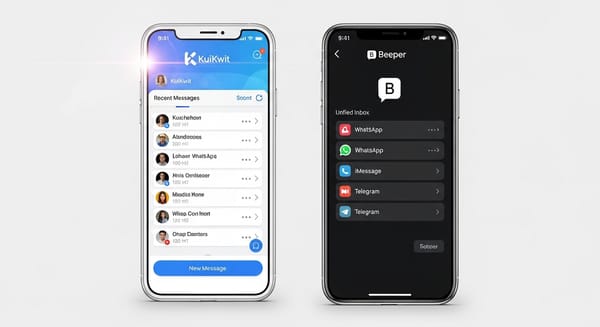
Globally, poor customer experiences cost businesses trillions every year. In smaller operations, even a few missed responses can create lasting damage. With Kuikwit, businesses can centralize messages from email, WhatsApp, and chat into one inbox, ensuring no customer is left waiting without a reply—even if the solution takes time.
Uninformed or Unhelpful Support Agents

Customers expect support agents to know what’s going on. When staff can’t answer basic questions or lack context, confidence drops instantly. It’s not always the agent’s fault—often they just don’t have the right tools or information.
An integrated messaging hub like Kuikwit gives teams access to customer history, previous conversations, and saved replies. This allows agents to respond with clarity instead of guessing. Regular training paired with shared knowledge makes support faster, calmer, and far more effective.
Ignoring Customer Feedback
Feedback is one of the most valuable signals a business can receive, yet it’s often ignored. Customers who take time to leave comments or reviews want to feel heard. When nothing happens afterward, trust quietly erodes.
Kuikwit helps by collecting feedback across channels and keeping it in one place. A simple follow-up message like “Thanks for sharing—we’re working on this” shows customers their voice matters. That acknowledgment alone can turn criticism into long-term loyalty
Over-Promising and Under-Delivering
Few things damage credibility faster than promises that aren’t kept. Saying “next-day delivery” and missing the deadline doesn’t just disappoint—it breaks trust. Customers remember gaps between words and actions.
Clear, honest communication is safer than bold promises. With Kuikwit, businesses can send proactive updates and realistic timelines. When customers know what to expect, delays feel manageable rather than deceptive.
Inconsistent Service Quality

Consistency is what builds comfort. When customer service feels great one day and careless the next, people lose confidence. They don’t know what version of your business they’ll get.
Standardized templates, tone guidelines, and workflows inside Kuikwit help maintain a steady experience. Even with multiple agents, every response stays respectful and on-brand. Consistency reassures customers that they’re in reliable hands.
Missed Follow-Ups
A missed follow-up is often a missed sale. Many customers are open to reminders, discounts, or simple check-ins—but businesses forget to reach back out. That silence leaves opportunity on the table.
Kuikwit allows automated follow-ups that still feel personal. A short message after a visit or inquiry can turn a one-time buyer into a repeat customer. Timing, more than persuasion, often makes the difference.
Poor Tracking and Analytics
Without data, businesses are guessing. They don’t know which messages convert, where delays happen, or which channels perform best. That lack of visibility slows growth.
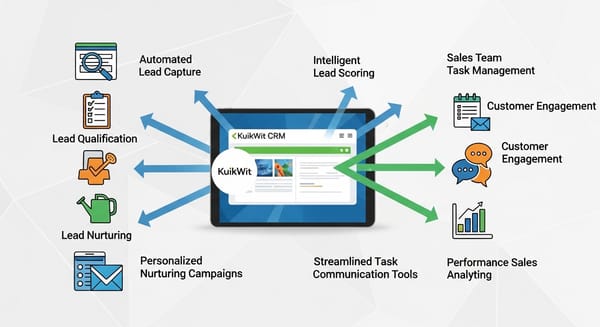
Kuikwit tracks response times, message volume, and resolution rates in one dashboard. This data helps teams refine how they communicate. Faster responses and smarter workflows naturally follow once blind spots are removed.
Losing the Human Touch
Automation can help, but overuse creates cold, robotic conversations. Customers still want empathy, especially when something goes wrong. A scripted reply at the wrong moment can feel dismissive.
Kuikwit balances automation with humanity. Simple tasks like greetings and FAQs are automated, freeing agents to focus on real conversations. When someone says, “I understand why you’re upset—let’s fix this,” it changes everything.
Final Thoughts
Small businesses don’t lose customers all at once. They lose them quietly, through small support mistakes that add up. Slow replies, missed follow-ups, and inconsistent communication slowly push people away.
Kuikwit helps businesses avoid those mistakes by centralizing conversations, automating wisely, and keeping support personal. Fixing customer support isn’t about being perfect. It’s about being present, consistent, and human—every time.
FAQs — People Also Ask
Why is customer support so important for small businesses?
Because one bad experience can push customers to competitors. Good support builds trust and repeat business.
What’s the biggest customer support mistake businesses make?
Slow or missing responses. Customers expect acknowledgment quickly, even before an issue is resolved.
How can messaging hubs improve customer service?
They centralize all conversations, reduce missed messages, and give teams full context for faster replies.
Can automation hurt customer relationships?
Only if overused. When balanced correctly, automation handles routine tasks and frees humans for empathy.
Is Kuikwit suitable for small businesses?
Yes. It’s designed to simplify communication without adding complexity, helping small teams work smarter.