How to Improve Customer Experience with Messaging Tools
Learn how to improve customer experience with messaging tools. Discover strategies for faster responses, personalization, and automation that boost loyalty and satisfaction.


In today’s fast-moving world, customer experience can make or break a business. People don’t just buy products anymore they buy experiences. And in most cases, that experience begins with a conversation. The question is: are you making those conversations easy, fast, and enjoyable for your customers?
This is where messaging tools step in. Whether you run a small startup or manage a growing business, the right messaging strategy can transform how customers see and stick with your brand—especially when it’s aligned with proven methods for boosting sales through smarter communication. Let’s explore how…
Quick FAQs:
What are customer messaging tools?
Customer messaging tools are platforms that help businesses manage conversations across channels like WhatsApp, Messenger, email, and live chat in one centralized system.
Why are messaging tools important for customer experience?
They reduce response time, prevent missed messages, and make communication more personal, which improves trust and customer satisfaction.
Do messaging tools really help increase customer loyalty?
Yes. Faster replies and personalized conversations make customers feel valued, leading to higher retention and repeat purchases.
Be Where Your Customers Are
Your customers use multiple platforms: WhatsApp, Facebook Messenger, Instagram DMs, email, and live chat. Jumping between them can be overwhelming for both you and your customers.
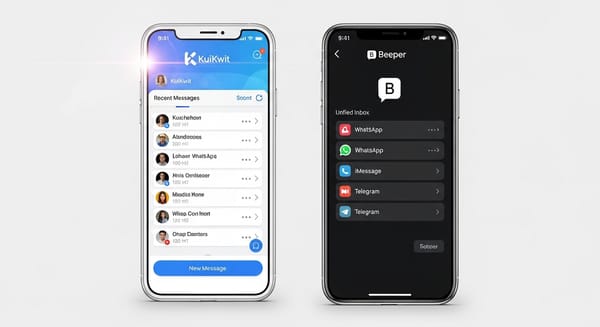
Messaging tools bring all these channels into one place. That means no more missed messages, no delays, and no frustrated customers waiting for a response.
Pro tip: An omnichannel hub like Kuikwit helps centralize all conversations so you never drop the ball.
Speed Is the New Standard
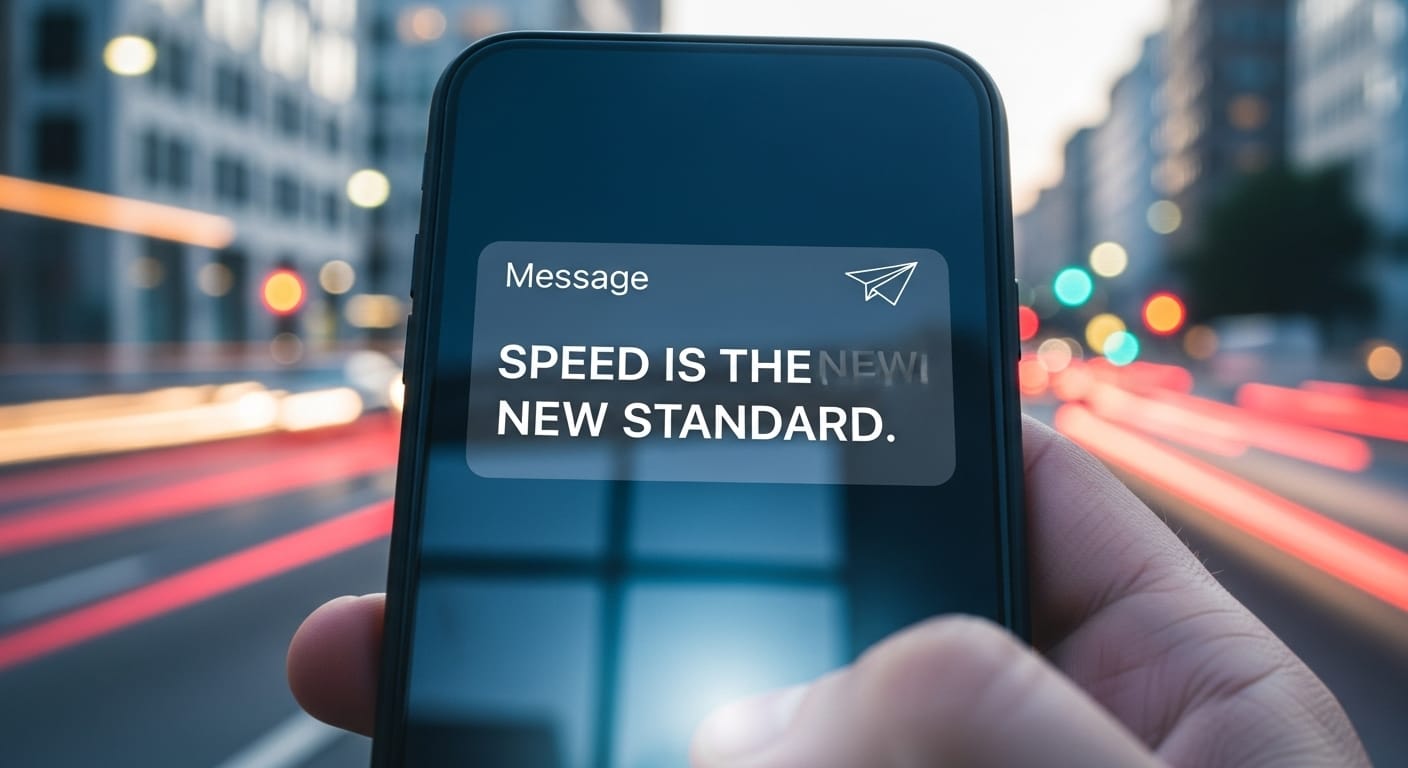
According to HubSpot, 90% of customers rate an “immediate” response as important when they have a support question. Long waits don’t just hurt satisfaction—they send customers straight to your competitors, which is why speed in customer communication has become a critical factor in modern support strategies.
With automation and instant notifications, messaging tools make it easier to respond quickly. Even if it’s just an acknowledgment, customers value knowing they’ve been heard.
Personalize Every Interaction
No one likes generic replies. Customers want to feel like more than just a ticket number. Messaging tools help you:
- Use names and order history.
- Tailor recommendations.
- Remember past conversations.
No one likes generic replies. Being greeted with the same copied-and-pasted response makes customers feel like just another ticket in a system. People want to feel seen and understood, not processed. When support teams use messaging tools to access names, order history, and past conversations, they can respond with context instead of repetition. This saves time, reduces frustration, and shows that someone is actually paying attention.
Personalized interactions also build long-term trust. Using a customer’s name, remembering earlier issues, and offering relevant suggestions makes the conversation feel human rather than transactional. Over time, this creates emotional connection. Customers feel valued, not ignored, which naturally leads to loyalty. They’re more likely to return, recommend the brand, and stay patient when problems arise, simply because they know they’ll be treated like individuals, not numbers.
Automate Without Losing the Human Touch

Automation is not about replacing humans it’s about supporting them. With features like auto-replies for FAQs, chatbots for common issues, and smart routing, teams can save time and focus on more meaningful conversations.
This balance ensures customers always get the help they need, without long delays or repetitive answers.
Build Relationships, Not Just Transactions
Messaging tools aren’t only for solving problems. They also play a big role in maintaining relationships after the sale is complete. Following up after a purchase shows customers that the company still cares once the payment is done. Sending updates or reminders helps people stay informed without needing to ask, and sharing special offers or rewards makes them feel appreciated rather than targeted by random promotions.
When brands stay in touch in a thoughtful way, they remain present in the customer’s mind without being intrusive. Over time, this consistent and relevant communication builds familiarity and trust. Customers begin to associate the brand with reliability and value, not just transactions. That’s how one-time buyers slowly turn into loyal advocates who return, recommend, and defend the brand when needed.
Operations & Team Management
Strong customer communication doesn’t happen by accident. Behind every smooth support conversation is a well-prepared team and a clear system. Operations and team management focus on making sure agents have the right skills, tools, and guidance to deliver consistent, high-quality service every day. Without structure, even the best intentions fall apart under pressure.
When teams are supported properly, they work with confidence. They respond faster, handle difficult situations better, and stay motivated. Good management isn’t about micromanaging—it’s about creating an environment where people know what’s expected and feel equipped to meet those expectations.
Track and Improve
The best part? Messaging tools come with analytics. You can track response times, customer satisfaction, and conversation history. These insights help you see what’s working and where to improve so the experience keeps getting better.
Final Thoughts
Improving customer experience isn’t about big budgets or fancy strategies. It’s about making communication simple, fast, and human.
With the right messaging tools, you can:
✅ Answer faster
✅ Personalize better
✅ Build stronger relationships
In a world where customers have endless options, a great conversation can be the reason they stay with you. So ask yourself: Are your customers getting the experience they deserve?
FAQs — People Also Ask
How do messaging tools improve customer experience?
Messaging tools make communication faster and more organized by keeping all customer conversations in one place. This reduces delays, missed messages, and frustration.
Are messaging tools only useful for customer support?
No. They’re also effective for sales, follow-ups, order updates, and building long-term customer relationships beyond basic support.
Do small businesses really need omnichannel messaging tools?
Yes. Small businesses benefit even more because centralized messaging saves time, reduces workload, and helps them compete with larger brands.
Can automation make customer interactions feel impersonal?
Not when used correctly. Automation handles repetitive tasks, allowing human agents to focus on personalized, meaningful conversations.
What should businesses track when using messaging tools?
Response time, customer satisfaction, conversation history, and repeat engagement are key metrics that help improve the overall customer experience.