Intelligen AI: The Secret to 24/7 Kuikwit Support
Artificial intelligence is no longer futuristic—it’s part of everyday life. This article explores how Intelligen AI systems learn, adapt, and support human decision-making across business, technology, and society.

Artificial intelligence has quietly moved from the pages of science fiction directly into our daily business dashboards. It didn’t arrive with a loud bang or a dramatic robot takeover; instead, it showed up in the small things—predictive text, smart recommendations, and real-time chat windows. This shift marks the rise of Intelligen AI, a sophisticated level of artificial intelligence designed not to replace human judgment, but to strengthen it through continuous learning and instant analysis.
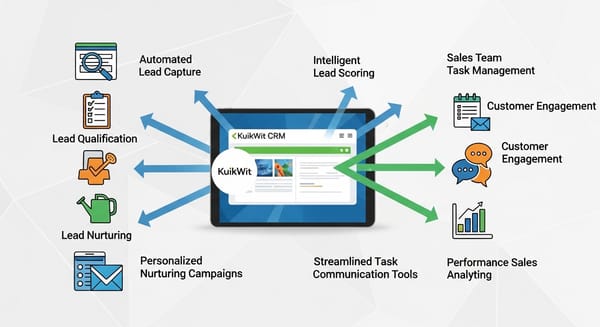
For modern organizations, the real power of AI is unlocked when these smart systems connect with a centralized message hub like Kuikwit. While the AI analyzes data and predicts trends, Kuikwit acts as the "intelligent agent," routing those insights to the right people at the right time.
What is Intelligen AI?
It is an advanced AI system focused on learning, analyzing, and making decisions based on specific business contexts rather than just manipulating raw data.
How does it help small businesses?
It automates monotonous tasks, provides pinpointed market insights, and allows small teams to scale their customer engagement without increasing headcount.
Is it safe to link AI with Kuikwit?
When AI governance and encryption are in place, linking these tools creates a secure, ethical, and efficient environment. Centralizing workflows through acentralized platformensures data protection while streamlining tasks. By deployingintelligent AI systems, businesses can automatedigital customer supportwithout compromising security or compliance.
The Core Function of an Intelligent Agent in AI
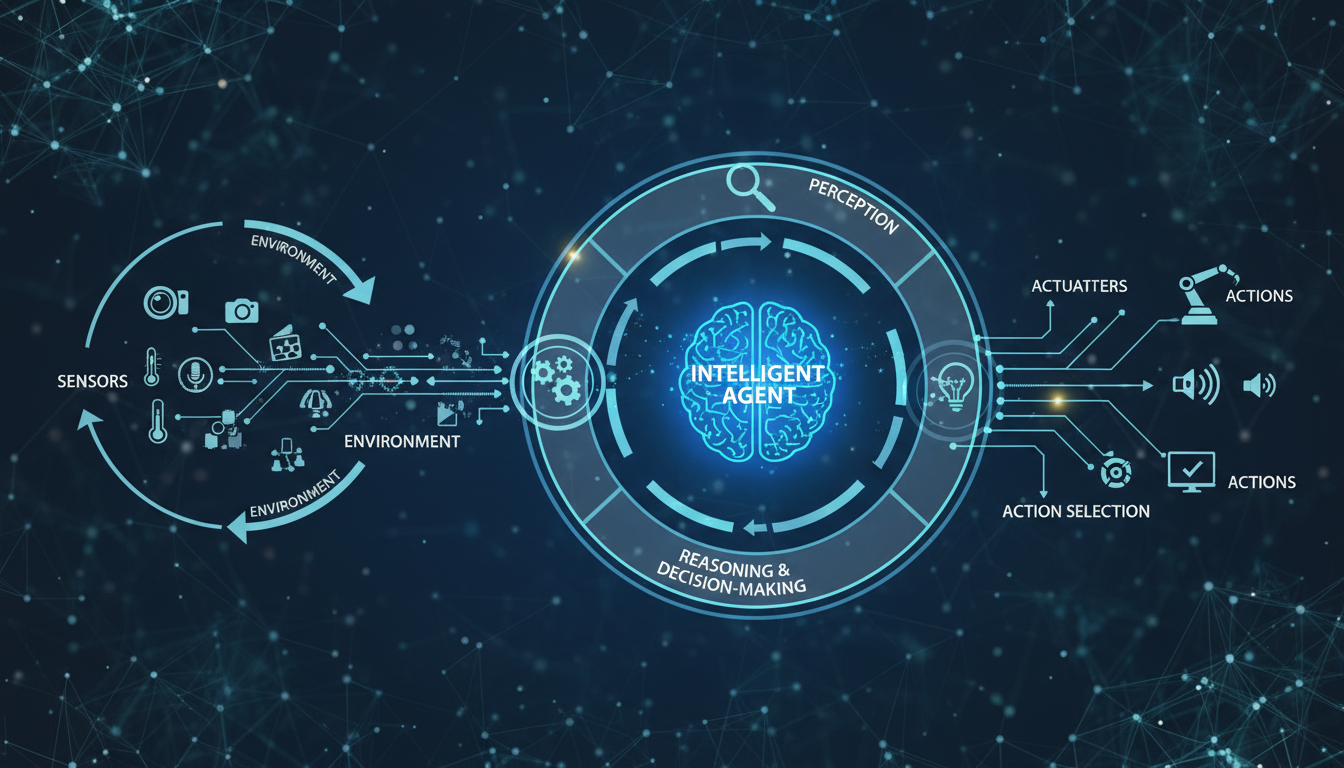
At the heart of every smart interaction is what we call an intelligent agent in AI. These aren't just programs; they are proactive systems that acquire information, decide on a course of action, and execute it to achieve a specific goal—like closing a sale or solving a support ticket. Sensors gather data from your customer interactions, and effectors perform the required actions, such as sending an automated reply. When these agents collaborate within a platform like Kuikwit, they produce a high-performance system that feels responsive and human rather than lifeless and mechanical.
Real-Time Interaction and Smarter Customer Engagement
One of the most immediate benefits of Intelligen AI is how it facilitates real-time interaction through AI-powered chatbox solutions. In the past, "automated" meant "robotic," but current systems modify their behavior based on real-time feedback. By integrating these smart bots into your Kuikwit dashboard, you can provide smarter customer engagement that understands the emotional context of a user. This ensures that your business stays "always-on," responding to queries in seconds while maintaining a tone that aligns with your brand’s ethics and personality.
Co-Intelligence: Living and Working With AI as a Partner
We are moving toward a state of co-intelligence: living and working with AI, where the relationship is symbiotic rather than competitive. In this environment, humans contribute the "heart"—originality, compassion, and moral reasoning—while machines provide the "muscle"—speed, storage, and consistency. By offloading data analysis and monotonous routing to Kuikwit’s AI-driven logic, employees are freed from the stress of repetitive tasks. This allows your team to think strategically and creatively, essentially turning the AI from a mere tool into a dependable, silent collaborator.
AI Retail Business Intelligence and Market Prediction

For those in the commerce sector, AI retail business intelligence is completely changing the way we understand the customer journey. By analyzing purchase histories and browsing patterns, these systems can often figure out what a customer wants before they even ask for it. This allows for automated stock replenishment and highly targeted sales promotions that reduce wastage by up to 30%. When linked to your messaging hub, these insights allow you to send the right offer to the right segment at exactly the right time, maximizing your ROI.
The Importance of AI Governance and Contextual Intelligence
As AI becomes more ingrained in our work, AI governance business-specific contextual intelligence becomes a mandatory safeguard. Context is everything; an AI system in healthcare must follow stricter privacy rules than one used for marketing retail shoes. Proper governance ensures that your AI partners comply with the law and respect user privacy through encryption and tight access rights. Without these ethical frameworks and mechanisms for preventing wrongdoings, automation can unintentionally amplify errors rather than solve them.
Avoiding Common Mistakes in AI Adoption
Many companies fail with AI because they treat it as a "magical solution" rather than a strategic tool. Common blunders include using poor quality data, neglecting employee training, or rushing to deploy a system without proper testing. Successful adoption requires patience and a long-term strategy where technology and business goals stay aligned. It’s about building a foundation where machines learn and humans remain in control, ensuring that the AI evolves alongside your business.
| Feature | Traditional Analytics | Intelligen AI + Kuikwit |
| Data Focus | Historical (Past) | Predictive (Future) |
| Logic | Static, Pre-set rules | Dynamic, Adaptive learning |
| Speed | Manual Analysis | Split-second insights |
| Goal | Reporting | Decision-making & Automation |
| Flexibility | Rigid | High adaptability to market changes |
Detailed FAQ (People Also Asked)
Can Intelligen AI really understand human behavior?
Current systems don't "think" like humans, but they are incredibly good at identifying patterns and modifying their behavior based on customer feedback to provide a personalized experience.
Does using AI-driven systems require a technical degree?
No. Many modern platforms, including Kuikwit, are built for non-technical users, allowing you to manage complex AI-driven interactions through a simple, intuitive dashboard.
How accurate are AI market predictions?
Accuracy depends on data quality, but these systems improve over time through constant iteration and retraining cycles, leading to significantly better forecasts than traditional methods.
Will AI replace my support staff?
In most cases, AI supports human work by handling repetitive queries, allowing your staff to focus on more complex, strategic, and high-value customer interactions.
Is it safe to store sensitive customer data in an AI hub?
Yes, provided the system uses end-to-end encryption and strict access controls. Kuikwit and Intelligen AI platforms are designed with these security and ethics policies at their core.
In the end, Intelligen AI has transcended the futuristic "science fiction" stage and has become a pragmatic part of everyday business. It works best when it’s silent and dependable—adjusting, learning, and supporting you in the background while you focus on living your life and growing your brand.