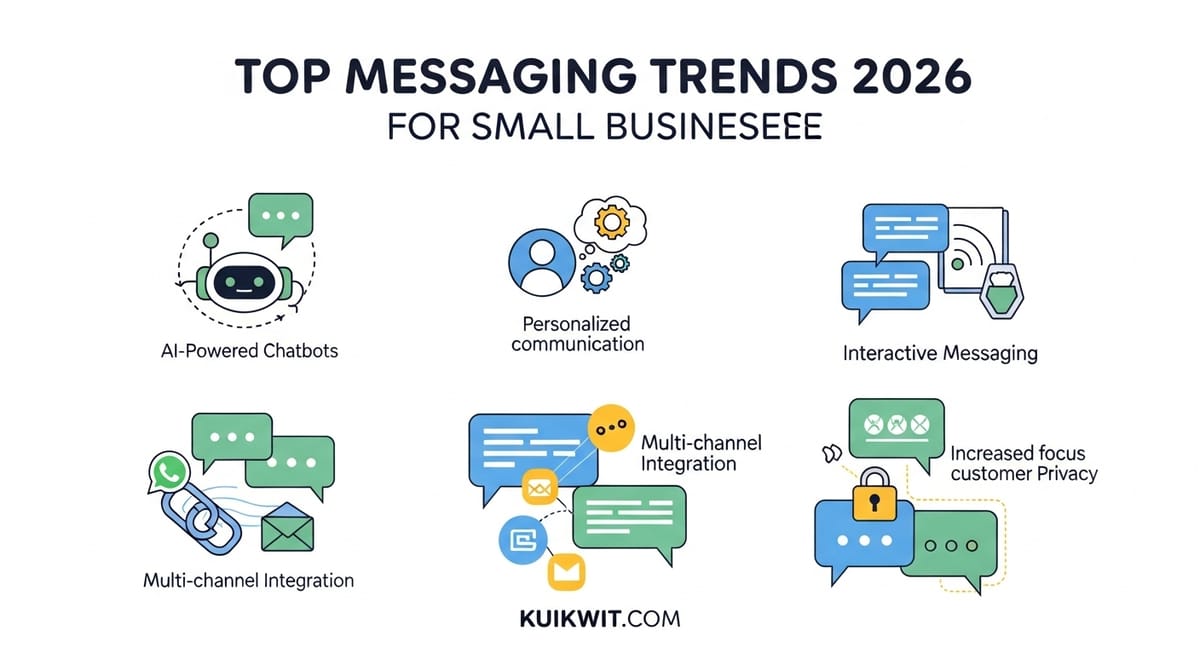
Top Messaging Trends 2026 for Small Businesses
Discover key messaging trends 2025 shaping customer support and business growth. Learn how small businesses can leverage omni-messaging with Kuikwit, your all-in-one messaging hub, to boost engagement, speed up responses, and compete with big brands.

Maya runs a small artisanal marketplace in her town. Handcrafted candles, homemade soaps, gift boxes made with care. Her customers love the personal touch, but as her business grew, so did the messages. Instagram DMs, WhatsApp orders, emails piling up. One busy morning, she missed a message about restocking a popular scent. The sale was gone, and the feeling lingered.
That moment pushed Maya to rethink how customer messaging works in 2025. Instead of juggling apps, she brought everything into one place with Kuikwit, an all-in-one messaging hub built for omni-messaging. Suddenly, conversations felt manageable again. That shift inspired this guide to Messaging Trends 2025: What Every Business Needs to Know, especially for small businesses trying to grow without burning out.
Messaging Apps Continue Their Global Reign
Messaging apps aren’t slowing down. In 2025, billions of people rely on chat apps daily, not just for social conversations but for shopping, support, and updates. Platforms like WhatsApp, Messenger, Telegram, and others have become the default way people communicate. Businesses are no longer optional participants in this space; they’re expected to be present and align with the future of customer communication through messaging as chat-based interactions increasingly shape how brands connect with customers.
For customers, messaging feels instant and personal. For businesses, it can feel overwhelming when each platform lives in its own silo. This is why centralization matters. With Kuikwit, all those conversations come into one dashboard, so no message slips through the cracks.
Preference for Private, Asynchronous Messaging Is Skyrocketing
Customers increasingly prefer private, asynchronous messaging over phone calls or public comments. They want to send a message, get on with their day, and return when there’s a reply. No waiting on hold. No repeating themselves. Just convenience.
This shift puts pressure on businesses to respond efficiently without being constantly “online.” Kuikwit supports this balance by letting teams reply across channels at their own pace while still meeting customer expectations. Conversations stay organized, even when replies don’t happen instantly.
Omnichannel Messaging Drives Satisfaction and Loyalty
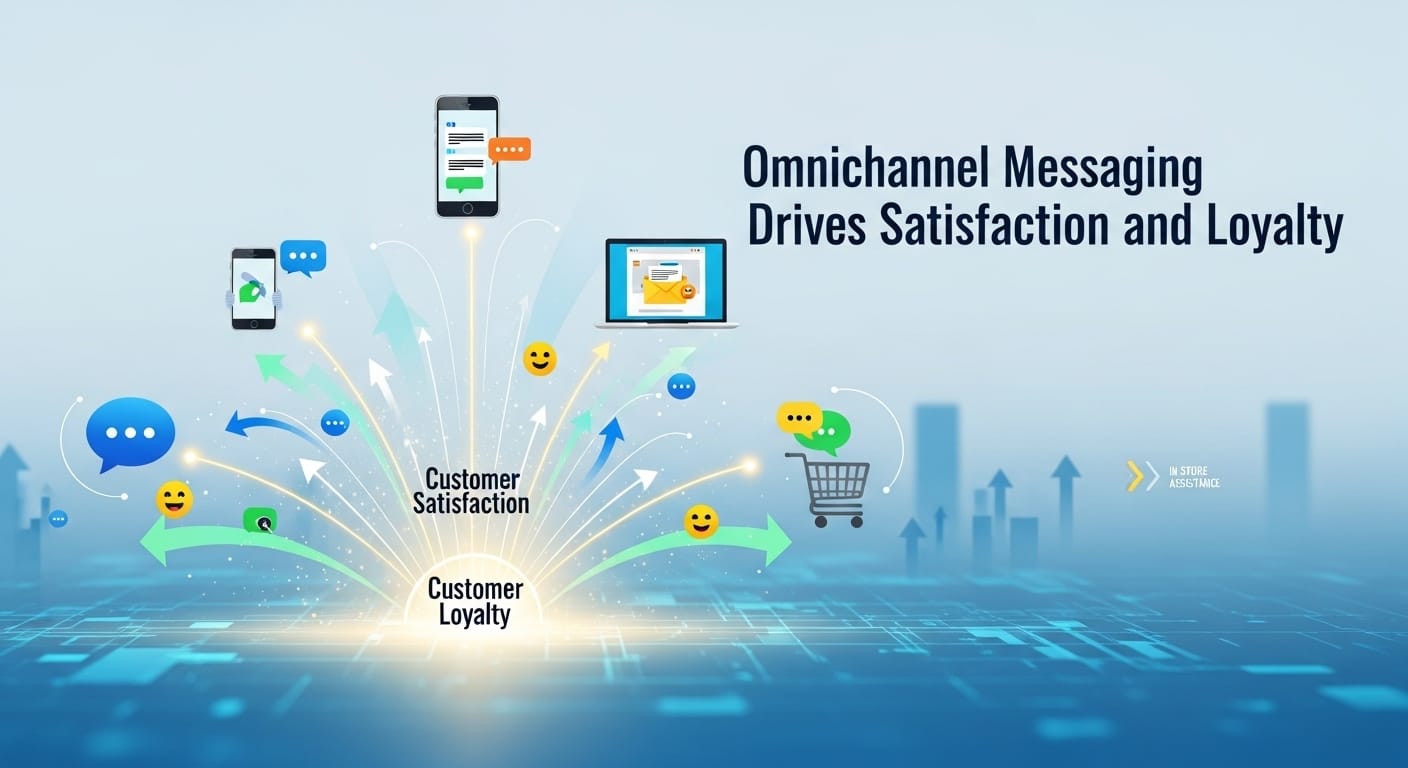
Customers don’t think in channels. They start a conversation on Instagram, follow up on WhatsApp, and expect the context to carry over. When it doesn’t, frustration sets in quickly. Repeating the same issue again and again breaks trust.
An omnichannel approach connects these touchpoints into one continuous conversation. With Kuikwit, customer history stays visible no matter where the message comes from. This consistency improves satisfaction, shortens resolution time, and quietly builds loyalty over time.
In-App Messaging Engagement Is Growing Fast
In-app messaging has become one of the most effective ways to prompt action. Messages delivered inside apps or platforms feel timely and relevant, not intrusive. Customers are far more likely to click, respond, or follow through compared to email.
For small businesses, this opens new ways to guide customers at the right moment. Kuikwit supports omnichannel delivery, including in-app messaging options, allowing businesses to reach customers where engagement is naturally higher.
SMS Still Delivers Speed and Reliability
Despite all the new channels, SMS remains unmatched for urgency. Text messages are read quickly, often within minutes, and rarely ignored. Customers rely on SMS for confirmations, reminders, and time-sensitive updates.
The challenge has always been managing SMS alongside everything else. Kuikwit solves this by bringing SMS into the same messaging hub as chat and email. No extra tools, no fragmented workflows, just one clear line of communication.
AI-Powered Messaging Is Changing the Game

AI is no longer just for large enterprises. In 2025, small businesses are using AI to speed up replies, route messages intelligently, and personalize communication at scale. The goal isn’t to replace people, but to support them.
Kuikwit uses AI-powered templates, smart auto-responders, and routing features to handle repetitive tasks. This frees teams to focus on meaningful conversations, where empathy and judgment matter most.
Small Businesses Are Using Tech to Stay Competitive
Small businesses face pressure from every direction. Limited staff, rising customer expectations, and constant competition. In response, many are turning to technology to stay agile and responsive without growing overhead.
Messaging tools are a big part of that shift. Kuikwit is built with small businesses in mind, offering omni-messaging without complexity. It helps business owners stay focused on products and people, not juggling inboxes.
Final Thoughts
Messaging in 2025 isn’t about being everywhere. It’s about being present in the right way. Customers want fast, private, consistent communication that feels human, not automated noise. The businesses that win are the ones that make messaging feel effortless.
Kuikwit ties these trends together by centralizing channels, supporting automation, enabling SMS and in-app messaging, and keeping conversations personal. For businesses like Maya’s—and yours—it’s not about chasing trends. It’s about building systems that scale calmly.
FAQs — People Also Ask
Why are messaging apps so important for businesses in 2025?
Because customers prefer chat over calls or emails, and expect businesses to be available on the platforms they already use.
What does omnichannel messaging really mean?
It means conversations stay connected across platforms, so customers don’t have to repeat themselves.
Is SMS still relevant with so many chat apps?
Yes. SMS remains the fastest and most reliable way to deliver urgent messages and updates.
How does AI improve customer messaging?
AI helps automate routine replies, route messages faster, and personalize responses without losing efficiency.
Can small businesses manage all this without large teams?
Absolutely. Tools like Kuikwit are designed to simplify messaging, not complicate it, making growth manageable.