Morning Routine for Success: Habits That Actually Work in 2026
Mornings quietly shape everything that follows. The way you wake up, think, move, and focus in those first hours decides more than most people realize


Most people don’t think much about their mornings. They wake up. Check their phone. Rush through breakfast. React to whatever shows up first. And somehow, the day just… happens.But over time, that pattern adds up.A morning routine for success isn’t about waking up at 4 a.m. or copying someone else’s life. It’s about starting each day with intention. With structure. With calm. So your day doesn’t control you. You control it.
And yes, anyone can build one. Slowly. Honestly. Without turning life into a performance.
A morning routine for success is a set of intentional habits practiced each morning to improve focus, energy, and productivity. It helps align your mindset, health, and priorities before distractions take over. When done consistently, it strengthens discipline, reduces stress, and supports long-term personal and professional growth—especially when paired with smart tools like intelligent AI systems that help streamline daily planning and decision-making without relying on motivation alone.
Quick FAQ
What is a morning routine for success?
It’s a structured way to start your day with habits that support focus, health, and goals.
Is it really worth it?
Yes. Small daily actions compound into big long-term results.
How does it work?
By reducing decision fatigue and setting a positive tone early.
Understanding Why Mornings Shape Your Entire Day

Mornings quietly decide everything. Your mood. Your energy. Your patience. Your ability to focus. If your first hour feels chaotic, rushed, or reactive, that tone often follows you for the next twelve hours.
When you start the day without direction, you become vulnerable to distractions. Emails decide your priorities. Notifications set your mood. Other people’s problems become your first task. That’s exhausting over time, especially if you’re already dealing with things like social anxiety disorder in high-pressure environments.A strong routine gives your brain something stable to hold onto. It creates predictability. It reduces anxiety. It tells your mind, “We’re in control here.” That sense of control carries into meetings, decisions, and creative work. You’re calmer. More grounded. Less scattered.
This is why successful people protect their mornings. Not because they’re perfect. Because they know the cost of unstructured starts.
What Is the Best Morning Routine for Success?
People often ask, what is the best morning routine for success? The honest answer is simple. The best routine is the one you can repeat consistently. Not the most impressive one. Not the longest one. Not the one on social media. Some people thrive with exercise first. Others need quiet reading. Some prefer journaling. Some need sunlight and coffee. The structure matters more than the exact activities—just like staying aware of evolving messaging trends in 2026 helps people adapt their habits to how communication and information flow is changing.
A good routine usually includes three elements. Movement for the body. Stillness for the mind. Planning for the day. When those are present, everything else becomes optional.The mistake many people make is copying someone else’s routine without adjusting for lifestyle, work hours, or personality. That leads to burnout. A sustainable routine fits into your real life. Not your fantasy life.
Early Morning Routine for Success and Mental Clarity
An early morning routine for success doesn’t mean waking up painfully early. It means waking up before chaos begins. Before emails flood in. Before social media steals attention. Before responsibilities pile up.
Those quiet hours have a special quality. Your brain isn’t overloaded yet. Your thoughts are clearer. Your emotions are steadier. Creativity flows more easily. Decisions feel lighter.Using this time for reflection, light exercise, or focused planning builds mental resilience. You’re not starting the day in defense mode. You’re starting it with preparation.Over months, this habit strengthens confidence. You trust yourself more. You know you’ve already invested in the day before it even started.
Learning from People’s Routines Without Copying Them
Studying people’s routines can be inspiring. Entrepreneurs. Athletes. Artists. Leaders. Many of them follow structured mornings. But their routines reflect their lives, not yours.
Some meditate for an hour. Some write pages. Some train intensely. Some read philosophy. These habits work because they align with their goals and schedules.Instead of copying, observe patterns. Most successful people prioritize health. They minimize distractions. They plan intentionally. They protect focus. These principles matter more than specific activities.
Use other people’s routines as reference points. Not templates. Adapt what fits. Ignore what doesn’t. Build something that feels natural.
Morning Routines and the Power of Consistency

Morning routines work because of consistency, not intensity. Doing something small every day beats doing something big once a week. A five-minute habit repeated for years reshapes identity.Consistency trains your brain to expect structure. Over time, discipline becomes automatic. You stop negotiating with yourself. You simply act.
This reduces mental exhaustion. Fewer decisions. Less internal debate. More energy for meaningful work. That’s why routines feel freeing, not restrictive.When routines break occasionally, it’s fine. Life happens. The key is returning without guilt. Progress comes from persistence, not perfection.
Best Morning Routine Habits That Actually Work
The best morning routine usually includes hydration, light movement, and mental grounding. Drinking water wakes up your system. Stretching activates circulation. Stillness clears mental fog.Reading for ten minutes stimulates focus. Journaling organizes thoughts. Planning creates direction. Even simple habits like making your bed reinforce discipline.
What matters is intention. You’re telling yourself, “This time is mine.” That message changes how you approach the rest of the day.You don’t need twenty habits. Three well-chosen ones practiced daily outperform complicated schedules.
Morning Routine Ideas for Busy Professionals
Busy people often think they don’t have time for routines. In reality, they need them most. When life is packed, structure prevents burnout.Short routines work. Ten minutes of movement. Five minutes of planning. One healthy breakfast. That’s enough. You don’t need an hour.
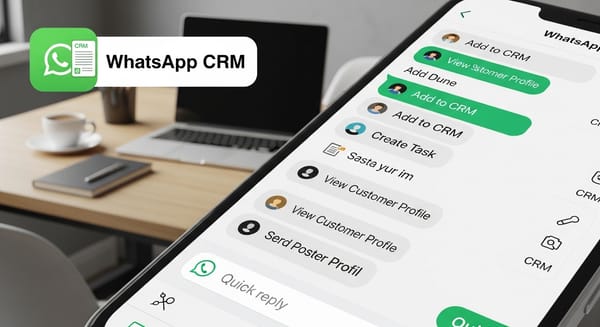
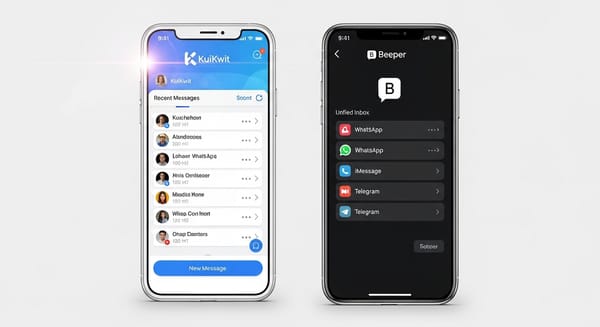
Using digital tools can help. Platforms like Kuikwit.com, which centralize communication and messages, reduce morning overload. Instead of checking ten apps, you review everything in one place. Less stress. More clarity.
Small systems save massive mental energy.
Morning Rituals That Build Emotional Stability
Morning rituals aren’t just about productivity. They regulate emotions. They calm nervous systems. They reduce reactivity. Simple rituals like breathing exercises, gratitude journaling, or quiet walks stabilize mood—many people explore these practices through personal growth and mindfulness resources. They lower stress hormones. They improve patience.
When mornings are rushed, emotions spill over easily. Irritation rises. Anxiety grows. Focus drops. Rituals act as emotional anchors.Over time, this emotional balance improves relationships, leadership skills, and self-confidence.
First Thing in the Morning: Setting the Right Tone
What you do first thing in the morning matters more than you think. If you grab your phone immediately, you invite comparison, stress, and urgency.Notifications rarely bring peace. They bring demands. Other people’s priorities. News. Conflicts. Noise.Starting with yourself instead changes everything. Drink water. Stretch. Breathe. Think. Then engage with the world.That small delay creates autonomy. You begin the day as a decision-maker, not a responder.
Building a Healthy Morning Routine That Lasts
A healthy morning routine supports sleep, nutrition, movement, and mental clarity. Without health, productivity collapses eventually. No shortcut prevents burnout.
Sleep consistency is the foundation. Without enough rest, no routine works. Next comes nutrition. Skipping breakfast regularly harms energy and focus.Gentle exercise strengthens circulation. Sunlight regulates hormones. These biological factors matter more than motivational quotes.Health-focused routines create sustainable success. They protect you from long-term exhaustion.
Creating Your Own Morning Routine List
A morning routine list isn’t meant to trap you. It’s a guide. A reminder. A structure.Start with three habits. Hydrate. Move. Plan. Practice those for a month. Then add slowly if needed.Write your list somewhere visible. On your phone. On your desk. On your wall. Visual cues strengthen habits.Review monthly. Adjust. Remove what feels forced. Keep what feels helpful. Your routine should evolve as your life changes.
Real-Life Examples of Successful Morning Routines
A freelance designer starts each day with stretching and planning. Her productivity doubles within months. Stress drops.A manager uses mornings for reflection and priority setting. Meetings become more focused. Leadership improves.A student builds a simple routine: water, walk, review goals. Grades improve. Confidence grows.These changes aren’t dramatic. They’re quiet. But powerful.
Common Mistakes That Ruin Morning Routines
One mistake is doing too much too fast. People overload their mornings. Wake up earlier. Add ten habits. Burn out in two weeks.Another is relying on motivation. Motivation fluctuates. Systems last. Routines must survive bad days.Some people punish themselves for missing days. That creates guilt. Guilt kills consistency. Compassion sustains it.Perfectionism destroys routines. Flexibility protects them.
Comparing Flexible vs Rigid Morning Routines
Rigid routines demand exact timing. Same wake-up. Same sequence. Same duration. They work for some personalities. Not all.Flexible routines focus on principles. Move. Reflect. Plan. Timing adapts. Structure remains.Most people benefit from semi-flexible systems. Stable core. Adjustable edges. This prevents frustration.Choose structure that supports your temperament.
Simple Morning Routine Framework
| Element | Purpose | Example |
|---|---|---|
| Hydration | Energy | Water |
| Movement | Circulation | Stretch |
| Reflection | Clarity | Journal |
| Planning | Direction | To-do list |
| Focus | Productivity | Reading |
This framework adapts to any schedule.
Using Technology to Support Morning Success
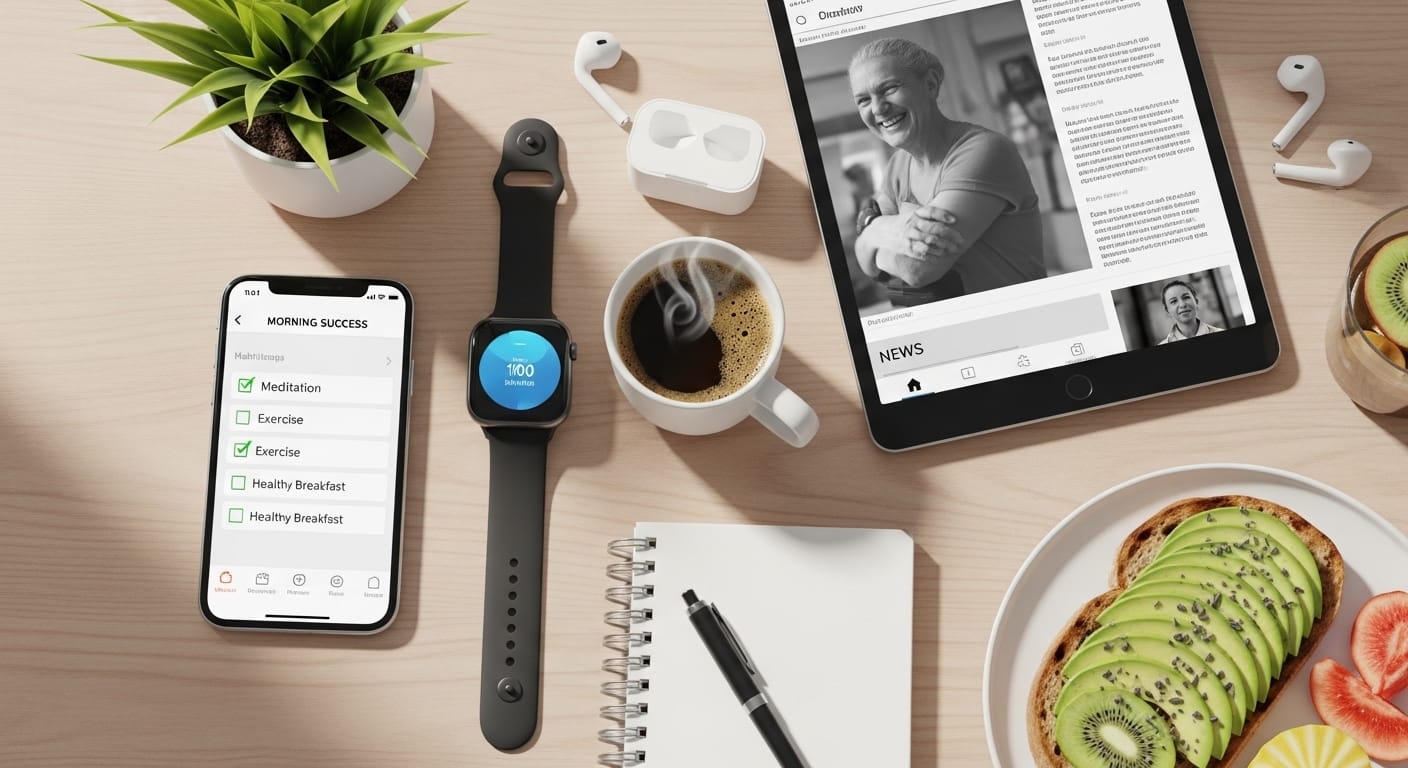
Technology can help or hurt. It depends on how you use it. Productivity apps, calendars, and centralized platforms like Kuikwit.com reduce digital clutter.Instead of managing scattered messages, you start with one organized view. That preserves mental energy.Automation tools can schedule tasks, remind habits, and track progress. Used wisely, they reinforce routines.Used poorly, they distract. Choose intentionally.
The Psychology Behind Morning Habits
Habits form through repetition and reward. Morning routines succeed when they feel satisfying, not punishing.Enjoyable music. Pleasant coffee. Comfortable space. These sensory elements reinforce behavior.When routines feel harsh, resistance builds. When they feel supportive, discipline strengthens.Design your environment to make good habits easy.
Building Long-Term Success Through Daily Rituals
Success rarely comes from dramatic moments. It comes from quiet repetition. Daily choices. Small discipline.
Morning routines are identity builders. Each day you follow them, you reinforce self-trust. You prove reliability to yourself.That self-trust influences career, health, relationships, and confidence. It spills into every area.This is why routines matter more than motivation.
Full FAQ Section
How long should a morning routine be?
Anywhere from 15 minutes to 90 minutes, depending on lifestyle.
Do I need to wake up early to be successful?
No. Consistency matters more than timing.
Can night owls have good routines?
Yes. Adjust routines to your natural rhythm.
What if I miss days?
Resume gently. Don’t quit.
Is exercise necessary every morning?
Helpful, but not mandatory.
Should I check emails first?
Usually no. Delay if possible.
How long until results appear?
Most people notice changes within 3–6 weeks.
Can routines improve mental health?
Yes. Structure reduces anxiety.
Do weekends need routines?
Light versions help maintain rhythm.
Most people search for shortcuts. Faster ways. Easier paths.
Morning routines aren’t shortcuts.
They’re foundations.
They don’t change life overnight. They change it quietly. Gradually. Honestly.
And one day, you realize something simple.
You’re calmer. More focused. More confident.
Not perfect.
Just better.
And sometimes, that’s everything.