Omnichannel Messaging Case Study: Real Results
Read this customer support case study to see how Kuikwit, an all-in-one messaging hub, helped a small business double its customer response rate. Learn how messaging automation, centralized inboxes, and omnichannel tools drive faster responses and stronger customer loyalty.


When it comes to customer support, speed isn’t a bonus anymore. It’s expected. People don’t want to wait half a day just to ask about an order or confirm a size. They want answers while they’re still thinking about buying. This case study looks at how a small online retailer used Kuikwit, an all-in-one messaging hub, to fix slow replies and completely change how customers interacted with the brand—in just three months.
Quick FAQs:
How does faster customer support improve online sales?
Faster customer support reduces hesitation, builds trust, and helps customers complete purchases while interest is high, leading to higher conversion and retention rates.
Why is omnichannel messaging important for small businesses?
Omnichannel messaging keeps all customer conversations in one place, preventing missed messages and delays while improving response speed and service consistency.
Can centralized messaging really reduce cart abandonment?
Yes. When businesses reply quickly to questions and concerns, customers feel supported and are more likely to complete their purchases instead of leaving.
How does Kuikwit support modern SEO and customer experience?
Kuikwit improves response times, communication quality, and user satisfaction, which increases engagement signals that align with Google’s people-first and helpful content standards.
The Problem: Too Many Messages, Not Enough Time
The business was growing, which sounds like a good problem to have. But growth exposed cracks. Messages were coming in from everywhere. Instagram DMs. Emails. Website chat. Sometimes even WhatsApp. None of it talked to each other.
Customers were waiting longer than they should. Agents were repeating the same answers again and again. Important messages slipped through the cracks. And slowly, quietly, customers started leaving. Cart abandonment crept up. Repeat purchases dipped. Nothing dramatic. Just enough to hurt. Without a centralized enterprise messaging hub, communication scattered across platforms, making small problems grow into costly leaks.
Why the Old Setup Wasn’t Working
The team wasn’t lazy or unskilled. They were simply overwhelmed by the volume and fragmentation of daily communication. Switching between multiple tabs, platforms, and inboxes consumed a significant amount of time and mental energy. Important details were easy to miss, and conversations often became disjointed. A customer might explain their issue on social media, repeat it through email, and then go over it again on live chat.
As this pattern continued, customer support gradually shifted from being proactive and helpful to being purely reactive. Agents spent more time catching up than solving problems. By the time someone finally responded, many customers had already lost interest, abandoned their purchase, or looked for alternatives elsewhere. In some cases, the delay led to disappointment and negative perceptions of the brand. Instead of feeling supported, customers felt ignored, which slowly eroded trust and weakened long-term relationships.
The Shift: Centralizing Everything with Kuikwit
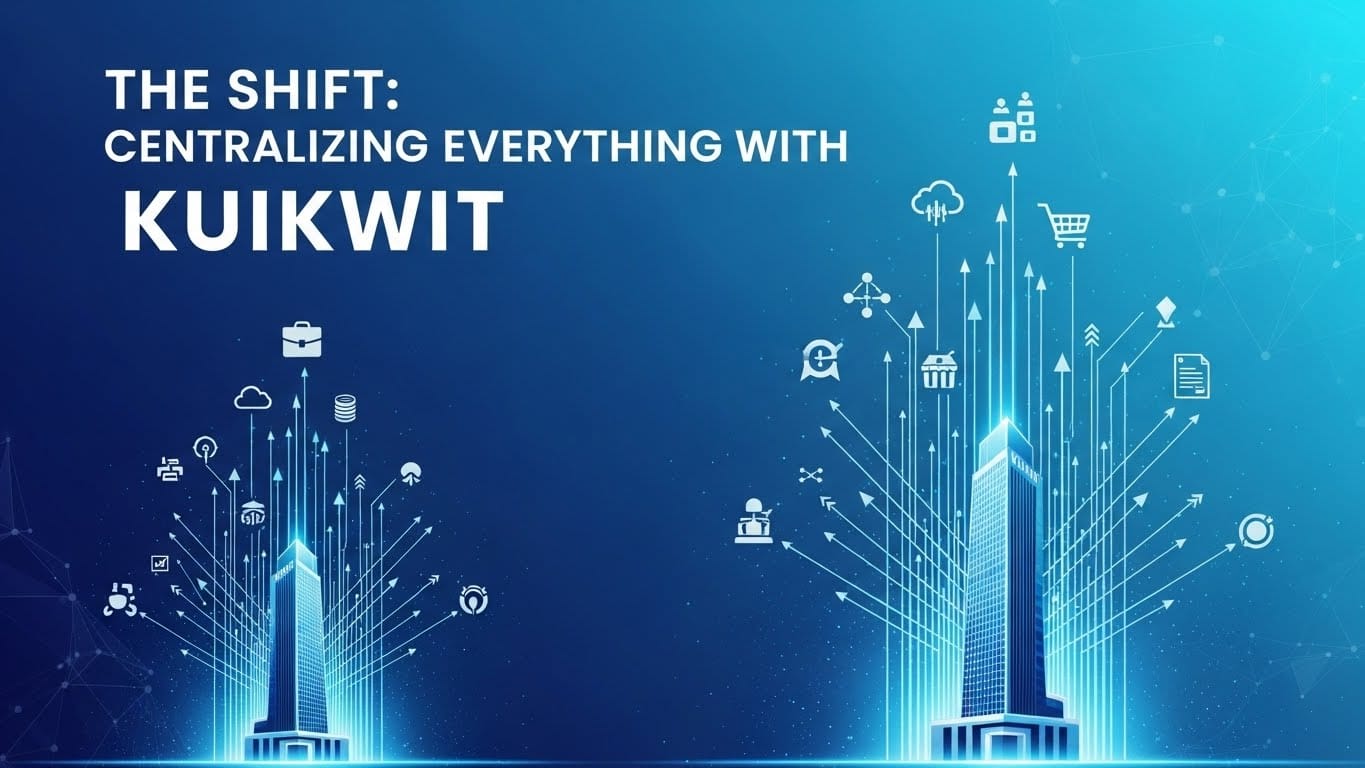
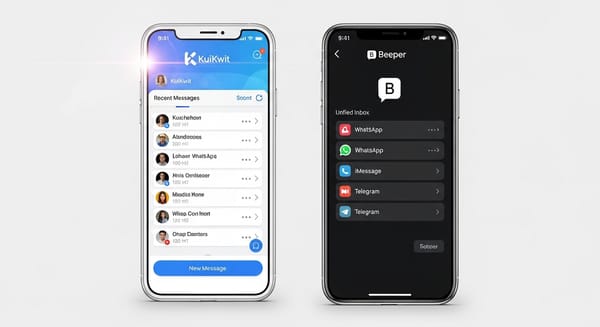
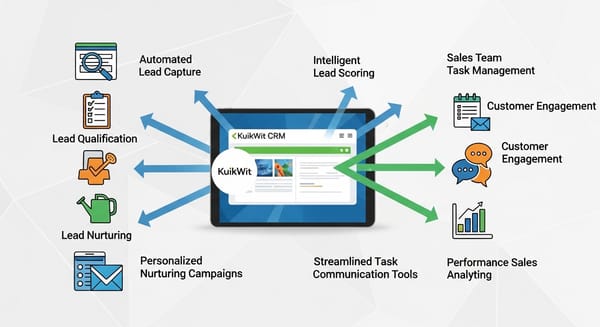
Instead of hiring more staff, the business changed its system. They adopted Kuikwit, built specifically for omnichannel communication. Suddenly, all messages—email, social media, live chat—landed in one shared inbox.
No more guessing where a conversation started. No more repeating questions. Every interaction had context. The team could finally see the full picture.
How Improved Messaging Strengthens Long-Term Customer Relationships
Consistent and reliable communication does more than solve short-term problems. Over time, it shapes how customers perceive a brand. When people know they can get quick, clear, and helpful responses through simplified customer messaging whenever they reach out, they feel more confident doing business. This confidence turns into trust, and trust becomes loyalty. Customers stop seeing the company as just another online store and start viewing it as a dependable partner they can rely on.
Strong messaging habits also encourage long-term engagement. Customers who feel valued are more likely to return, recommend the brand to others, and forgive occasional mistakes. Even when issues arise, fast and transparent communication helps protect the relationship. Instead of becoming frustrated, customers feel reassured that their concerns matter. This emotional connection plays a major role in building sustainable growth and maintaining a positive reputation in competitive markets.
What Actually Changed Day to Day
Auto-replies handled simple questions instantly. Delivery times. Order status. Basic FAQs. Customers got answers in seconds instead of hours.
Urgent messages were flagged automatically, so agents didn’t waste time sorting manually. Internal notes helped avoid duplication. One agent picked up where another left off without confusion. The workflow felt calmer. More intentional.
The Results After 90 Days
The numbers told the story clearly. Average response times dropped from about four hours to under two. Customer satisfaction climbed by 25%. Repeat purchases increased because customers felt looked after, not ignored.
Automation quietly handled around 40% of repetitive questions, which meant the team focused on issues that actually needed a human touch. Less stress. Lower costs. Better outcomes.
Why This Matters Beyond One Business
This isn’t a rare success story. It’s a realistic one. Small businesses don’t lose customers because they don’t care. They lose them because they can’t keep up.
Tools like Kuikwit level the playing field. They let small teams deliver the kind of support people expect from much bigger brands. Fast responses. Consistent conversations. No dropped messages.
What This Case Study Really Shows
Speed builds trust. Not flashy campaigns. Not endless discounts. Just being there when customers need answers.
Automation doesn’t replace people. It protects them from burnout. Centralization isn’t about control. It’s about clarity. And clarity leads to growth that doesn’t feel chaotic.
Final Thoughts
This retailer didn’t reinvent customer support. They simplified it. One inbox. Smarter replies. Fewer missed messages. The result was stronger loyalty and better sales without expanding the team.
If they could do it, quietly and steadily, there’s no reason other small businesses can’t. Sometimes progress isn’t about doing more. It’s about doing things differently.
FAQs — People Also Ask
How does omnichannel messaging improve response times?
By putting all customer conversations into one place, teams spend less time switching platforms and more time actually responding.
Is Kuikwit suitable for small businesses?
Yes. It’s designed for small teams that need professional-level communication without complex setups or large budgets.
Can automation hurt customer experience?
Not when used correctly. Automated replies handle simple questions so human agents can focus on more meaningful interactions.
How long does it take to see results from centralized messaging?
Many businesses notice improvements within weeks. In this case, major gains appeared within three months.
Do faster responses really affect sales?
Yes. Faster replies reduce cart abandonment, increase trust, and encourage repeat purchases over time.