Omnichannel vs Multichannel: What Small Brands Need
Learn the real difference between omnichannel vs multichannel strategies. Discover how small businesses can deliver seamless customer experiences with Kuikwit.


Imagine this: You own a small clothing boutique. A customer spots your latest jacket on Instagram, messages you with a question, later calls to confirm the size, and finally visits your website to place an order. Now, here’s the big question does your business treat each interaction as separate conversations, or do you connect them into one seamless experience? That’s where the debate of Omnichannel vs Multichannel comes alive.
As an expert copywriter with 5 years of experience, I’ve seen small businesses grow or struggle depending on how they approach customer communication. And in today’s digital-first world, where customers expect speed, convenience, and consistency, understanding the difference between omnichannel and multichannel could be the key to your next stage of growth.
What is the difference between omnichannel and multichannel?
Multichannel means using multiple platforms separately, while omnichannel connects all channels into one unified customer experience.
Which is better for small businesses: omnichannel or multichannel?
Omnichannel is usually better because it saves time, reduces customer frustration, and improves loyalty through connected communication.
Why is omnichannel important in customer service?
Omnichannel ensures customers don’t have to repeat themselves and receive consistent support across platforms, improving satisfaction and retention.
What Does Multichannel Mean?
Multichannel communication simply means your business is present on more than one channel. You might have a Facebook page, an Instagram account, a website, and maybe you answer emails too. Each of these channels works, but they work separately. A customer asking about a product on Instagram and then calling your business will likely need to repeat themselves, because the data isn’t connected—something that a well-structured enterprise messaging hub is designed to solve.
Stat to note: According to Aberdeen Group, companies with strong multichannel engagement strategies retain an average of 89% of their customers, compared to 33% for those with weak strategies (source: Aberdeen, Customer Engagement Report, 2022).
That’s a significant number. But here’s the catch: multichannel doesn’t always mean a smooth experience it simply means presence.
What Does Omnichannel Mean?
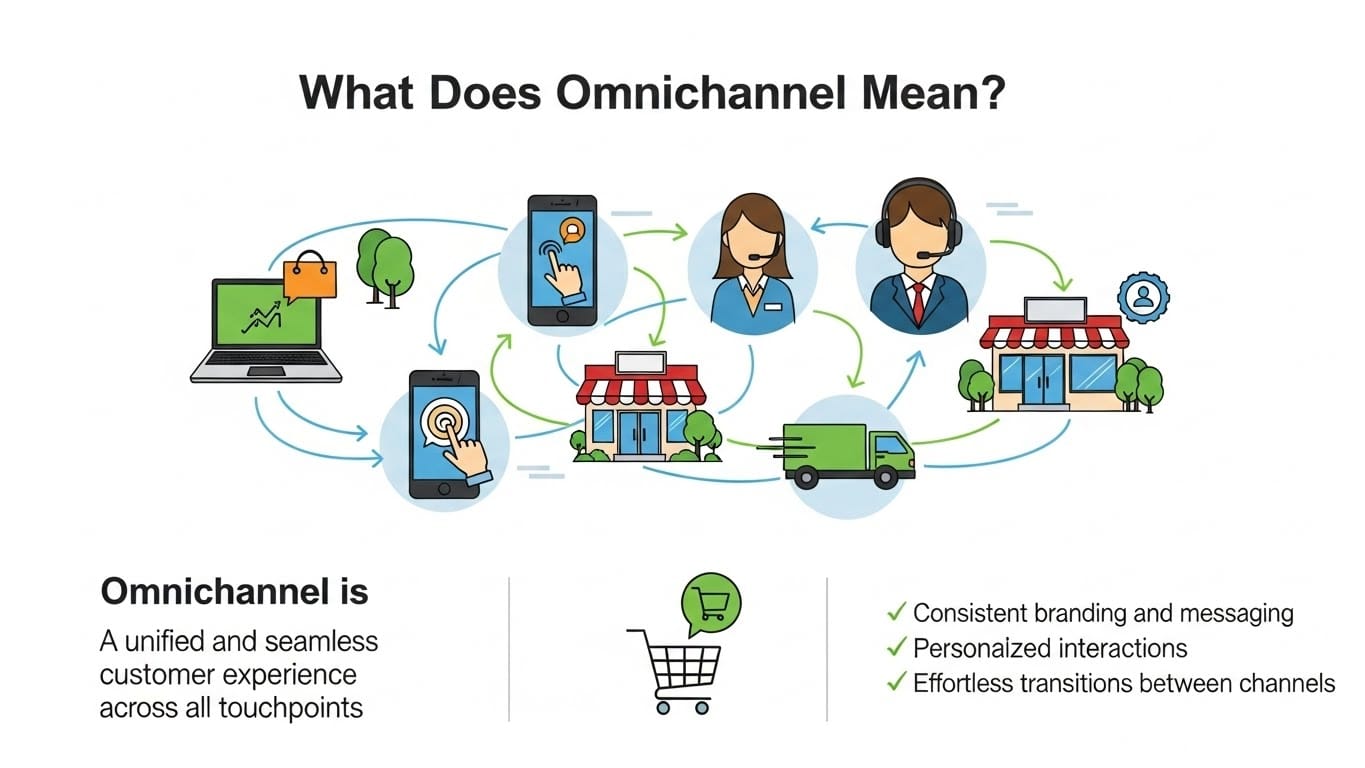
Omnichannel goes one step further. Instead of treating each channel separately, omnichannel integrates them into one connected system. That means a conversation started on WhatsApp can seamlessly continue on email, without the customer repeating themselves.
Stat to note: Businesses using omnichannel strategies achieve 91% greater year-over-year customer retention compared to those that don’t (source: Invesp, Customer Experience Trends, 2023).
Multichannel communication simply means your business is present on more than one channel. You might have a Facebook page, an Instagram account, a website, and maybe you answer emails too. Each of these channels works, but they work separately. A customer asking about a product on Instagram and then calling your business will likely need to repeat themselves, because the data isn’t connected—something that well-designed omnichannel messaging systems are built to solve in real-world customer service environments.
Why This Matters for Small Businesses
Small businesses thrive on relationships. Your customers often buy from you not just because of your products, but because of trust, service, and connection. Inconsistent or disconnected communication risks breaking that trust.
Here’s the reality:
- 67% of customers say their standard for good experiences is higher than ever before (Salesforce, State of the Connected Customer, 2023).
- 73% of consumers are more likely to buy from a brand that provides a seamless experience across channels (Harvard Business Review, 2022).
If your boutique, café, or service business isn’t keeping up, you could lose loyal customers to competitors who are offering that seamless communication.
Where Kuikwit (Your All-In-One Messaging Hub) Comes In
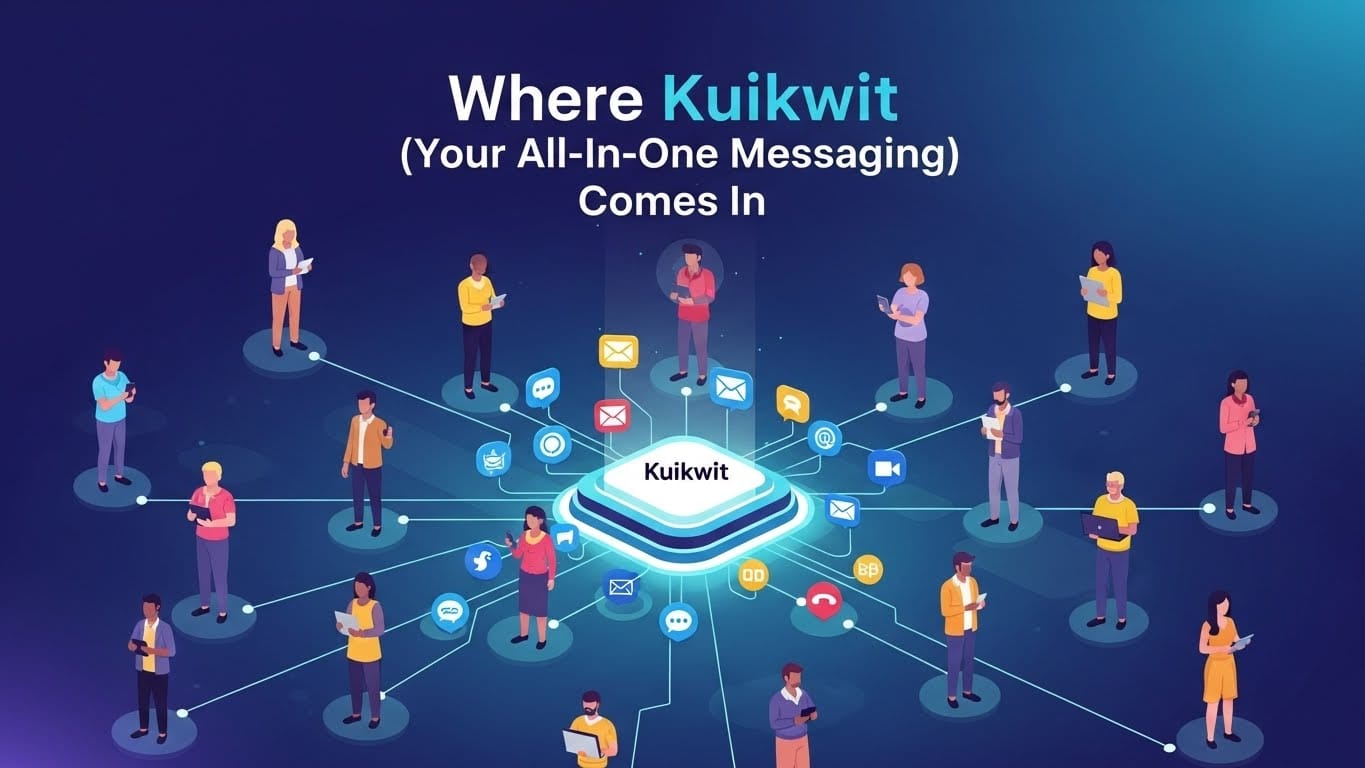
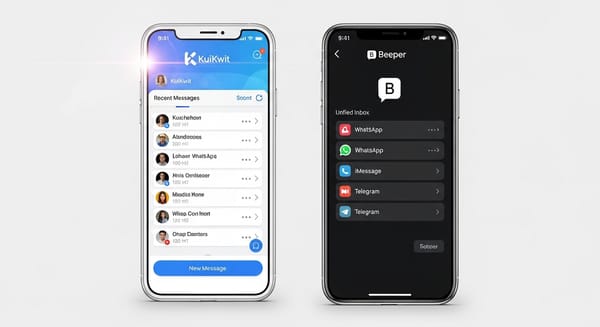
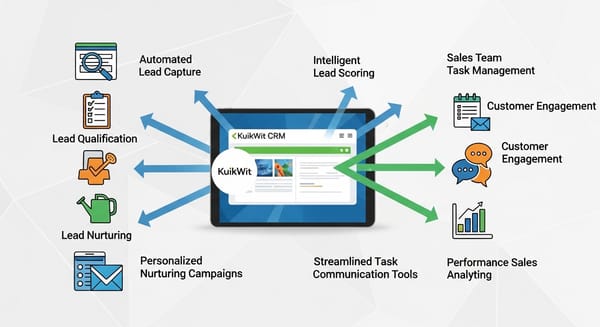
This is where a solution like Kuikwit, your all-in-one messaging hub, makes a difference. Instead of juggling messages from Facebook, Instagram, WhatsApp, and SMS separately, you can manage them all from one dashboard. Imagine how much smoother it becomes when your team doesn’t waste time switching between platforms—and your customers always feel heard.
Think about the hours saved, the frustration avoided, and the loyalty built when your small business feels as connected as a global brand. Whether you’re a local bakery, a salon, or an online retailer, having everything in one place is no longer a luxury it’s a necessity.
Omnichannel vs Multichannel: Side-by-Side
|
Feature |
Multichannel |
Omnichannel |
|
Channels |
Multiple but disconnected |
Multiple but unified |
|
Customer Experience |
Repetitive, siloed conversations |
Seamless, continuous interactions |
|
Business Efficiency |
More time spent managing channels |
Less time wasted, more productivity |
|
Customer Loyalty |
Moderate |
High |
The Call to Action
As a small business owner, the choice is clear. You can continue using disconnected channels and risk losing customers, or you can embrace an omnichannel approach that keeps you competitive, saves time, and makes customers feel valued.
With modern solutions tailored for small businesses, it’s easier than ever to move from multichannel chaos to omnichannel clarity. And if you’re ready to manage all your social media handles in one place, tools exist today that are affordable, easy to set up, and powerful enough to scale with your growth.
Conclusion
The debate of Omnichannel vs Multichannel isn’t just theory it’s about the future of your small business. Customers expect more, and businesses that deliver seamless experiences are rewarded with loyalty, repeat purchases, and positive word-of-mouth.
If you want your small business to grow in today’s competitive landscape, the time to choose is now. Will you stay scattered across multiple channels, or will you unify them into one powerful customer experience?
What are you waiting for? Start your free trial now on Kuikwit (Your All In One Messaging Hub).
FAQs — People Also Ask
What is the main difference between omnichannel and multichannel?
The main difference is integration. Multichannel means using multiple platforms separately, while omnichannel connects all channels into one continuous customer experience.
Is omnichannel better than multichannel for small businesses?
Yes, in most cases. Omnichannel helps small businesses save time, reduce confusion, and build stronger customer relationships by keeping conversations connected.
Can a small business afford an omnichannel strategy?
Absolutely. Many modern tools are designed specifically for small businesses, offering affordable plans that combine messaging, social media, and customer communication in one place.
Does omnichannel really improve customer retention?
Yes. Studies consistently show that customers are more likely to return when they experience seamless, consistent communication across platforms.
When should a business switch from multichannel to omnichannel?
If customers are repeating themselves, messages are getting missed, or your team struggles to manage multiple platforms, it’s a strong sign that it’s time to switch.