Top 10 Assisted Reproductive Technology Jobs in 2026
Finding a career in the fertility space is about more than a paycheck; it’s about the science of life. This guide explores the best assisted reproductive technology jobs, from clinic nursing to tech roles at Carrot, and how tools like Kuikwit are streamlining the future of family building.

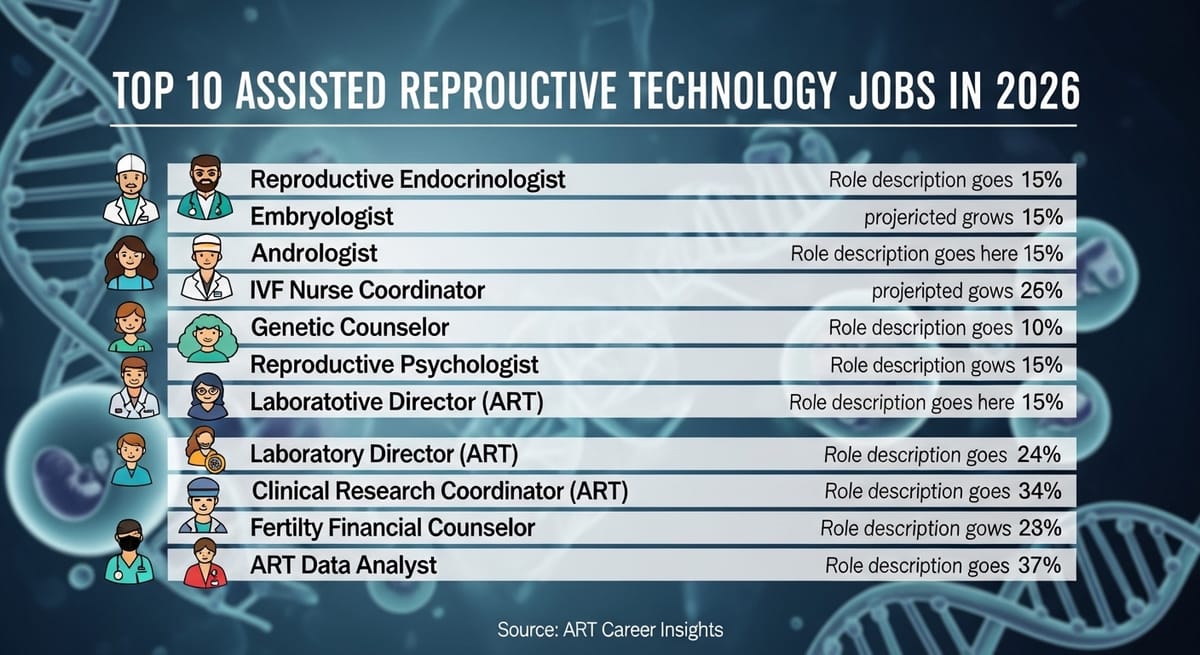
Finding assisted reproductive technology jobs isn't just about scouring LinkedIn for a paycheck; it's about stepping into a space where high-end science meets the most personal, vulnerable parts of the human experience. Whether you’re a lab-dweller who loves the precision of embryology or someone who wants to hold a patient’s hand through a long IVF cycle, the market right now is absolutely exploding as more people seek help building their families.
What are Assisted Reproductive Technology (ART) jobs?
These roles encompass everything from the clinical side, like embryologists and reproductive endocrinologists, to support roles like fertility nurses, donor coordinators, and even administrative staff. Basically, if the job involves helping someone conceive through medical intervention—like IVF, egg freezing, or surrogacy—it falls under the ART umbrella.
Is a career in ART worth it?
If you value job security and emotional impact, then yes. The global fertility market is projected to hit over $45 billion by 2026, which means demand for skilled workers is strong. It can be high-pressure, especially when you’re handling delicate biological samples or supporting emotional patients, but the “reward” of a successful pregnancy is a pretty unique perk—made possible by well-structured systems like customer data integration that keep information accurate, secure, and connected across care teams.
How do you get started in this field?
It varies wildly by role. Scientists usually need a specialized master's or PhD in reproductive science, while nurses need their RN and some experience in OB/GYN. Support roles, like patient coordinators, often value hospitality or customer service backgrounds because the "patient experience" is such a huge part of the private clinic model.
The rising demand for specialized fertility nurse jobs
If you’ve spent any time in a hospital, you know that nurses are the ones who actually keep the lights on, but fertility nurse jobs are a different beast entirely. You aren't just checking vitals; you’re managing complex medication schedules, teaching patients how to give themselves injections, and acting as a therapist when a cycle doesn't go as planned. Clinics are desperate for RNs who have that mix of technical precision and deep empathy. The pay is usually better than standard floor nursing, often ranging from $75,000 to $130,000 depending on the city, especially in hubs like San Francisco or New York. It’s a career path that offers a bit more of a "9-to-5" lifestyle than ER work, but the emotional labor is definitely real.
Navigating the corporate side with carrot careers

When we talk about the business of making babies, it’s not all just stirrups and ultrasound machines. Companies like Carrot Fertility have changed the game by offering fertility benefits as a corporate perk. Exploring carrot careers often leads you into the world of "FamTech" or family technology. They hire software engineers, account managers, and "care navigators" who help employees at big tech firms figure out how to use their egg-freezing or surrogacy benefits. It’s a great angle for people who want to work in the reproductive space but don't necessarily want to work in a sterile clinic environment. They are heavily remote-friendly, making them a top choice for people looking for flexibility in 2026.
Exploring the world of doula employment opportunities
A lot of people think doulas are just for "crunchy" home births, but doula employment opportunities are expanding rapidly into the clinical ART space. "Fertility doulas" are becoming a thing—they support people through the grueling process of egg retrievals and transfers. Unlike medical staff, a doula’s job is purely emotional and physical support. They are the ones who make sure the patient feels heard in a room full of doctors. Many hospitals and private boutique clinics are starting to staff doulas as part of a "holistic" care package. It’s usually contract work, but more full-time roles are popping up as insurance companies start to realize that better emotional support leads to better patient outcomes.
Why companion jobs are the unsung heroes of the clinic
You might see listings for companion jobs or "patient advocates" and wonder what they actually do. In the context of high-end fertility clinics, these are the people who ensure the patient’s journey isn't a logistical nightmare. They coordinate between the pharmacy, the lab, and the doctor’s schedule. It’s a role that requires massive organizational skills. If a patient is flying in from another country for an egg retrieval, the companion is the one making sure the hotel is booked and the meds are delivered on time. It’s a high-touch service role that feels more like a concierge at a five-star hotel than a medical assistant, and it’s a crucial part of the "boutique" fertility experience.
The impact of technology on assisted reproductive technology jobs
The "tech" in assisted reproductive technology jobs is moving faster than most people can keep up with. We’re seeing AI being used to grade embryos and automation taking over the tedious parts of cryopreservation. This doesn't mean the jobs are going away; it just means the skills are shifting. If you're looking into this field, you need to be comfortable with data. Embryologists are now using time-lapse imaging to watch embryos grow in real-time. It’s a fascinating blend of biology and computer science. Even the administrative side is getting an upgrade, with platforms that help manage the massive amounts of legal and medical paperwork involved in donor cycles.
Managing the chaos with tools like Kuikwit

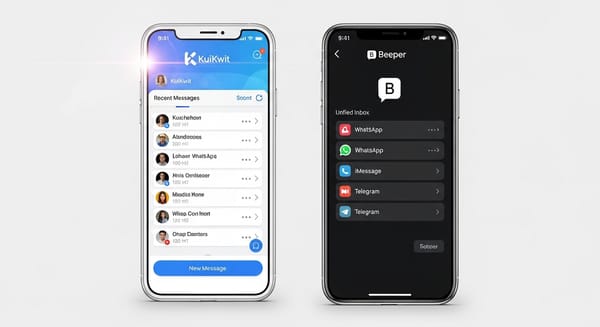
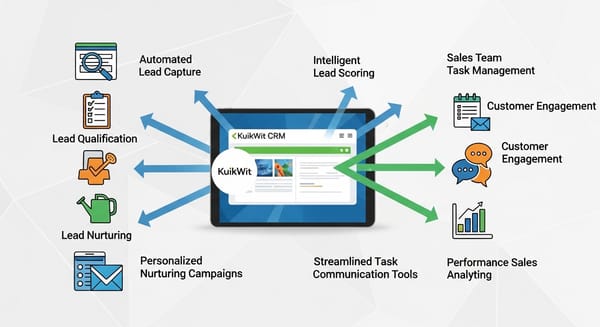
One of the biggest hurdles in any fertility clinic is communication. Patients are stressed, they have a million questions, and they’re messaging on every platform imaginable—WhatsApp, Instagram, Facebook, you name it. This is where a tool like Kuikwit.com becomes essential. It’s a customer support platform that pulls all those scattered DMs into one easy dashboard. For a clinic coordinator, being able to see a patient’s WhatsApp message right next to their Facebook inquiry saves so much time. It allows the team to respond faster, assign chats to the right nurse, and even use AI-powered replies for the basic "where do I park?" questions. When you’re dealing with something as sensitive as fertility, a missed message is a big deal, and Kuikwit makes sure that doesn't happen.
Salary and market trends for reproductive health professionals
| Job Title | Average Salary (2026) | Education Required |
| Embryologist | $85,000 - $145,000 | Master's/PhD |
| Fertility Nurse (RN) | $94,000 - $135,000 | ADN/BSN |
| Genetic Counselor | $80,000 - $110,000 | Master's |
| Patient Coordinator | $45,000 - $65,000 | High School/Associate's |
| Care Navigator (Carrot) | $70,000 - $95,000 | Bachelor's Preferred |
Common mistakes to avoid when entering the ART field
The biggest mistake people make is thinking this is just a "science" job. It’s a "people" job. If you’re a brilliant embryologist but you have zero communication skills, you’ll struggle in a clinic setting where you have to explain complex results to terrified parents. Another pitfall is ignoring the legal side. The laws around surrogacy and embryo ownership change every year, and if you're in an administrative or coordinating role, you have to be a bit of a legal nerd to stay compliant. Finally, don't forget the self-care. Compassion fatigue is real in this field. You see a lot of heartbreak before the "win," so you need to have a thick skin and a good support system.
The future of the reproductive workforce
As we look toward the end of the decade, the field is only going to get more specialized. We’ll likely see more roles focused specifically on "Longevity" and "Social Egg Freezing." The stigma is fading, and that means more people are walking into clinics than ever before. For anyone looking for a career that combines cutting-edge tech with a very real, very human purpose, this is the place to be. It’s not always easy—some days are heavy—but helping someone start a family is a pretty cool way to spend a Tuesday
FAQ: What People Are Asking About ART Careers
1. Do I need a medical degree to work in a fertility clinic?
Not necessarily! While doctors and nurses do, there are tons of roles in lab technology, patient coordination, marketing, and administration that don't require an MD.
2. Is the fertility industry growing?
Yes, massively. With delayed parenthood and increased LGBTQ+ family building, the demand for assisted reproductive technology jobs is growing at a CAGR of nearly 10% annually.
3. What is a "Care Navigator" at companies like Carrot?
They are basically personal guides for employees. They help people understand their benefits, find the right clinics, and navigate the costs of IVF or adoption.
4. Are there remote jobs in the fertility space?
Definitely. Companies like Carrot or Kindbody hire for remote roles in tech, customer support, and insurance coordination. Even some genetic counseling roles can be done via telehealth.
5. How stressful is working in embryology?
It can be very intense. You are handling living cells that represent a couple's only chance at a child. It requires steady hands, incredible attention to detail, and a high tolerance for microscopic pressure.
So yeah, if you're thinking about making the jump, just do your research. It's a wild world but one that's genuinely rewarding. Anyway, hope that gives you a better idea of what to expect...