Top 5 Marketing Mistakes to Avoid | Kuikwit
Avoid costly marketing mistakes with Kuikwit’s guide. Learn the top 5 marketing errors and practical ways to build stronger campaigns that convert.

Marketing is the heartbeat of every business. It’s how people discover you, trust you, and decide to stay. And yet, even strong businesses stumble here. Not because they don’t care, but because small marketing mistakes compound over time.
Some mistakes drain budget. Others slow growth. A few quietly push the right audience away. The tricky part is that most of these errors don’t feel dramatic when they’re happening. They feel normal. Routine. Almost harmless.
Let’s walk through the most common ones—and why fixing them changes everything.
Ignoring Your Target Audience
One of the most damaging marketing mistakes is speaking without knowing who’s listening. You might have a solid product, competitive pricing, and a polished website. But if your message isn’t meant for a specific person, it won’t land.
This usually happens when businesses believe their product is “for everyone.” In reality, that mindset dilutes clarity. Without a clear audience, your messaging becomes vague, your ads underperform, and your content struggles to connect—especially when you ignore emerging messaging trends for 2026 that show how audiences now expect brands to communicate.
The fix starts with understanding who your ideal customer actually is. Their challenges. Their habits. Their expectations. Once that’s clear, everything else—content, tone, offers—starts to align naturally.
Operating Without a Clear Marketing Strategy
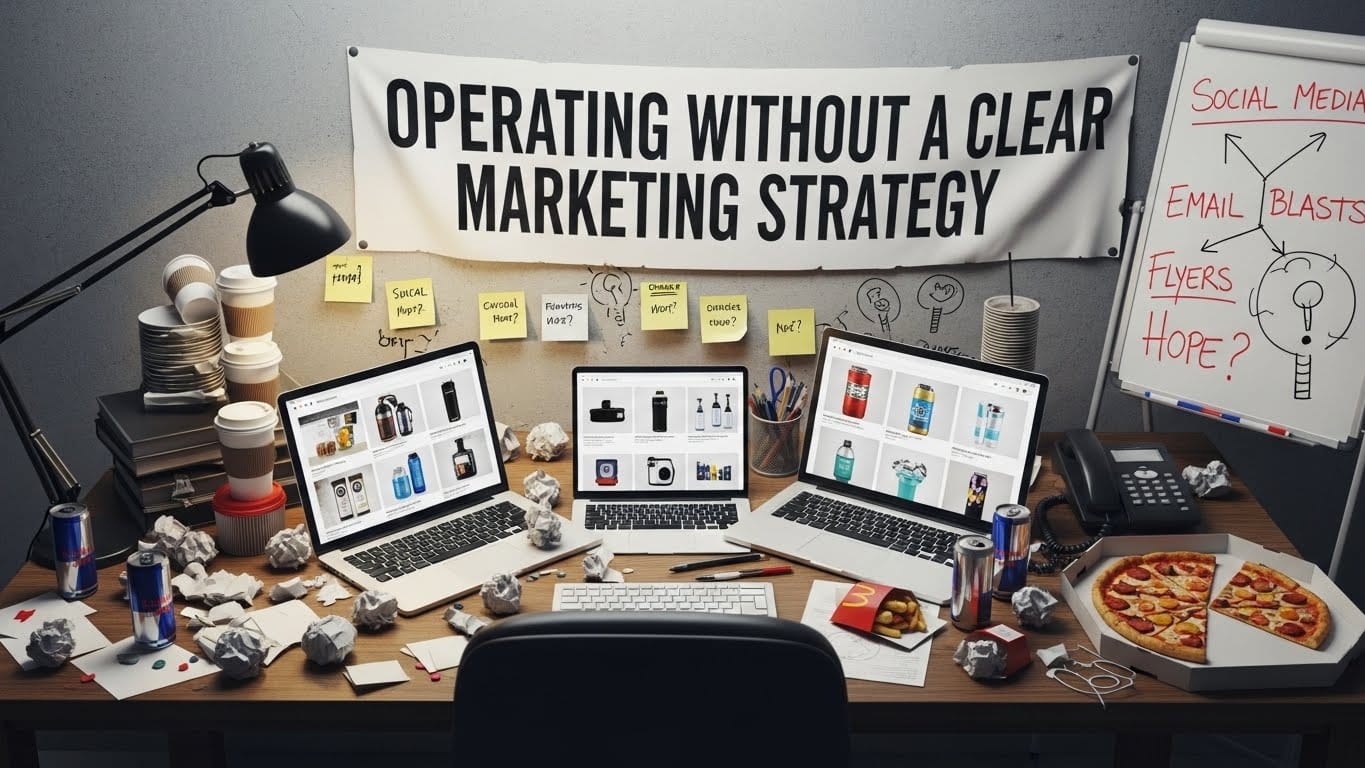
Posting regularly doesn’t equal having a strategy. Running ads doesn’t either. Many businesses stay busy with marketing activities but lack direction.
This often happens when execution comes before planning. Content gets created because it feels necessary, not because it serves a defined goal. Over time, effort increases while results stay flat.
A clear strategy changes that. When goals are defined, platforms are chosen intentionally, and performance is tracked, marketing stops feeling chaotic. Every campaign has a reason. Every post has a job to do.
Focusing on Sales Instead of Value
Marketing that only sells rarely builds loyalty. Audiences don’t want constant promotions. They want relevance. Insight. Help.
This mistake comes from treating marketing like advertising alone. But modern customers respond to brands that educate, explain, and empathize before asking for anything in return—especially when they follow emerging messaging trends in 2026 that focus on authentic, two-way communication.
When you lead with value—whether through tips, stories, or problem-solving—trust forms naturally. Sales follow as a byproduct, not a demand. That shift alone often changes engagement dramatically.
Ignoring Data and Analytics
Marketing without data is guesswork. And guesswork gets expensive.
Many businesses avoid analytics because it feels overwhelming or too technical. So decisions are made based on intuition instead of evidence. Sometimes it works. Often, it doesn’t.
Data doesn’t exist to complicate things. It exists to clarify them. When you track what people click, read, and respond to, patterns emerge. Those patterns show what to double down on and what to stop wasting time on.
Inconsistent Branding and Messaging
Consistency builds recognition. Inconsistency creates confusion.
When tone, visuals, or messaging shift from platform to platform, customers struggle to understand what your brand stands for. Trust weakens quietly, without warning signs.
This usually happens when multiple people create content without shared guidelines. Or when growth outpaces structure. A clear brand voice and visual identity solve this. When everything feels familiar, your brand becomes easier to remember—and easier to trust.
A Quick Word on Adaptability
Marketing doesn’t stand still. Algorithms change. Platforms evolve. Audience behavior shifts.
Businesses that cling to outdated strategies don’t fail overnight. They fade slowly. Staying adaptable—testing new formats, learning new tools, adjusting tactics—is what keeps marketing relevant.Adaptability isn’t about chasing trends. It’s about staying aware and responsive.
Wrapping It Up (Without a Grand Finish)
Every business makes marketing mistakes. That part is unavoidable. What matters is noticing them early and adjusting before they compound.
Clear audience focus. A real strategy. Value-first content. Data-driven decisions. Consistent branding. These aren’t advanced tactics. They’re foundations.When those are solid, marketing stops feeling stressful. It becomes steady. Predictable. And quietly effective.
FAQs — People Also Ask
What is the most common marketing mistake businesses make?
Not understanding their target audience. Without clarity, messaging fails to connect.
Do small businesses really need a marketing strategy?
Yes. Strategy prevents wasted effort and helps every action serve a purpose.
Why is value-based marketing important?
Because trust drives long-term growth, and trust forms through helpful content.
Is analytics necessary for marketing success?
Absolutely. Data shows what’s working and prevents costly guesswork.
How often should branding be reviewed?
At least quarterly, especially as platforms, teams, or offerings change.