How to Become a Virtual Assistant in 2026
Becoming a virtual assistant is no longer just a side hustle. It’s a real career path for people who want freedom, flexible hours, and online income.


Some careers don’t announce themselves loudly. They slip into your life quietly. One day, you’re helping someone organize emails. The next, you’re managing calendars, handling clients, and earning online. That’s often how it starts.Learning how to become a virtual assistant isn’t about becoming “techy” overnight. It’s about turning everyday skills into a flexible, remote career that fits modern work.
And yes. It’s more possible than most people think.
What It Really Means to Become a Virtual Assistant
Becoming a virtual assistant means offering professional support services remotely to businesses, entrepreneurs, and teams. Instead of working in a physical office, you manage tasks online using digital tools and communication platforms. From scheduling meetings to managing customer messages, virtual assistance blends organization, communication, and digital skills into one growing profession. Many modern virtual assistants also rely on AI-powered productivity tools and smart automation systems such as Intelligen AI solutions to improve efficiency, manage workflows, and deliver faster results. By combining human expertise with intelligent technology, virtual assistants can provide higher-quality support while scaling their services in today’s digital economy.
Quick FAQ
What is a virtual assistant?
A remote professional who helps businesses with administrative, technical, or creative tasks online.
Is being a virtual assistant worth it?
Yes, especially for people who value flexible schedules, remote work, and skill-based income.
How does virtual assistance work?
You complete tasks for clients using cloud tools, email, chat platforms, and project systems.
What Is a Virtual Assistant and Why It Matters Today

Before diving into job boards and courses, it helps to understand what this role really is. Many people still imagine a virtual assistant as someone who only answers emails. That idea is outdated.
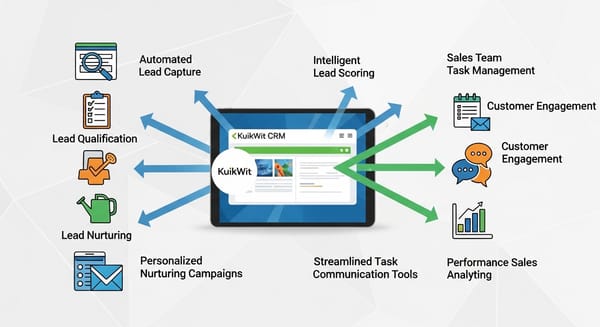
A modern virtual assistant handles scheduling, research, customer communication, document management, CRM updates, social media tasks, and sometimes even basic marketing. Some work as virtual administrative assistants, while others specialize in tech support or content coordination. Many professionals now rely on cloud-based CRM solutions to streamline their daily workflows, improve data access, and manage client interactions efficiently. Platforms like cloud CRM systems help virtual assistants centralize communication, track customer history, and automate routine updates. By using integrated digital tools, virtual assistants can deliver faster responses, better organization, and more consistent support across multiple business functions.
The reason this career keeps growing is simple. Businesses no longer want full-time in-house staff for every task. They want flexible support. Skilled people. Reliable systems. Virtual assistants fit perfectly into that space.And with remote work becoming normal, this role has moved from “side hustle” to serious profession.
How Virtual Assistance Actually Works in Real Life
In practice, virtual assistance looks different depending on the client. One day you might be organizing inboxes. Another day, setting up meetings across time zones. Sometimes it’s data entry. Sometimes it’s client onboarding.Most work happens through tools like Google Workspace, Slack, Zoom, Trello, and messaging platforms. Communication stays constant. Clear instructions matter. Updates matter. Deadlines matter.
You usually work on a contract or freelance basis. Some assistants handle one client full-time. Others work with several smaller businesses. The flexibility is both a benefit and a responsibility.You become part of someone’s business without sitting in their office. That requires trust. And consistency.
Skills You Need to Become a Successful Virtual Assistant
You don’t need a fancy degree. But you do need discipline. Communication skills. And a willingness to learn.
Organization is at the top. If you can’t manage your own time, you won’t manage someone else’s. Writing clearly matters. So does listening carefully. Many mistakes happen because instructions weren’t understood.
Basic tech skills are essential. Using spreadsheets. Cloud storage. Video calls. File sharing. These are daily tools, not extras.Adaptability matters too. Each client works differently. Some love structure. Others work chaotically. You learn to adjust without losing focus.And then there’s emotional intelligence. You deal with stressed founders. Busy managers. Overloaded teams. Patience becomes a professional skill.
AI Virtual Assistant Tools and Human Support Working Together

AI has changed the virtual assistant space. But it hasn’t replaced people. It has reshaped the role.An AI virtual assistant can schedule meetings, suggest replies, sort messages, and analyze patterns. It speeds up routine tasks. But it lacks context. Judgment. Human understanding.Smart assistants use AI as support, not replacement. They let tools handle repetitive work. Then they focus on strategy, relationships, and decision-making.
This balance matters. Clients don’t just want automation. They want someone who understands their business. Someone who thinks. Someone who notices problems early.That’s where human assistants stay relevant.
Finding Virtual Assistant Remote Jobs That Pay Fairly
Remote job boards are full of opportunities. But not all are worth your time. Some offer extremely low rates. Others expect full-time commitment for part-time pay.Good places to look include freelance platforms, VA agencies, LinkedIn, and niche job boards. But networking often works better than applications.Many assistants start by helping one small business. Then that client refers them to others. Word spreads quietly.
Building a simple website or portfolio helps. Showing your skills matters more than listing certificates. Clients want proof. Reliability. Professionalism.It’s better to have two good clients than ten unstable ones.
Virtual Assistant Services Jobs: Choosing Your Niche
Not every assistant does everything. In fact, specialization often leads to higher pay.
Some focus on customer support. Others on bookkeeping. Some on project management. Some on email marketing. Some on social media.When you choose a niche, you become more valuable. You understand industry workflows. You anticipate problems. You solve faster.At first, it’s fine to experiment. Try different tasks. Learn what suits you. Over time, patterns appear.
Follow those patterns.
Using Kuikwit.com as a Virtual Assistant Support Tool
Many virtual assistants now manage customer communication. That’s where platforms like Kuikwit become powerful.
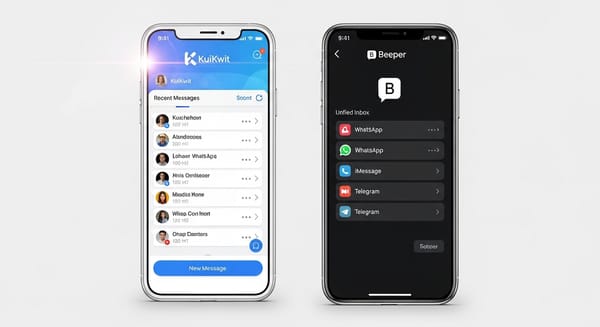
Kuikwit centralizes messages from WhatsApp, Facebook, Instagram, and more into one dashboard. Instead of juggling multiple apps, you handle everything in one place.For assistants working in customer service or sales support, this saves hours. You can assign chats. Use AI-powered replies. Track performance. Maintain consistency.
It also helps teams scale. One assistant can manage multiple channels without losing control.For modern virtual assistants, tools like Kuikwit aren’t optional anymore. They’re part of the workflow.
Starting Your Own Virtual Assistant Business

Many assistants eventually shift from freelancing to building a virtual assistant business. That means branding. Systems. Processes. Sometimes even hiring others.You stop trading hours for money. You start offering packages. Monthly retainers. Service plans.This stage requires mindset changes. You think like a business owner. Not just a worker. You invest in software. You create onboarding processes. You document workflows.
It’s more demanding. But also more stable.
And more scalable.
Real Examples of Virtual Assistants at Work
One assistant began by managing calendars for a coach. Within a year, she handled customer support, payments, and onboarding. Now she runs a small team.
Another started helping an online store with emails. After mastering support tools, he moved into operations management.A third focused only on inbox organization. Built a reputation. Now charges premium rates for “digital decluttering.”None of them followed a perfect plan. They adjusted. Learned. Improved.
That’s the pattern.
Common Mistakes New Virtual Assistants Make
One big mistake is underpricing. Many beginners charge too little. They burn out. Clients don’t respect their time. It becomes unsustainable.
Another mistake is saying yes to everything. You become overloaded. Quality drops. Stress rises.Poor communication is another problem. Not clarifying expectations leads to conflict. Always confirm instructions. Always update clients.Some assistants avoid learning new tools. That limits growth. Technology evolves. So must you.
And many quit too early. The first months are hard. Momentum takes time.
Comparing Freelance VA Work and Agency Employment
Some assistants work independently. Others join virtual assistant companies.
Freelancers have freedom. They choose clients. Set rates. Build brands. But income fluctuates.Agencies offer stability. They find clients. Handle contracts. Provide training. But pay is usually lower.Neither is better universally. It depends on your goals. Some start in agencies and later go solo. Others stay for security.
Both paths are valid.
Tools Every Virtual Assistant Should Learn
Here’s a simple comparison of common tools:
| Category | Examples | Purpose |
|---|---|---|
| Communication | Zoom, Slack, Kuikwit | Client interaction |
| Productivity | Trello, Asana | Task management |
| Storage | Google Drive | File sharing |
| Scheduling | Calendly | Appointment booking |
| Automation | Zapier | Workflow automation |
You don’t need all at once. Start small. Add tools as needed.
Security, Privacy, and Professional Boundaries

Virtual assistants often access sensitive data. Emails. Payments. Client records. Security matters.
Use strong passwords. Two-factor authentication. Secure networks. Never share credentials casually.Sign NDAs when required. Respect confidentiality. Professional trust is fragile. Once broken, it’s hard to rebuild.Set boundaries too. Define working hours. Response times. Availability. Burnout helps no one.
Professionalism protects you.
The Human Side of Virtual Assistance
Behind every task is a relationship. You become part of someone’s daily operations. Their wins. Their stress. Their deadlines.
Good assistants don’t just complete tasks. They anticipate needs. Offer suggestions. Care about outcomes.At the same time, you protect your mental space. You’re supportive, not absorbent. Helpful, not overwhelmed.That balance grows with experience.
Building a Long-Term Career as a Virtual Assistant
This career isn’t temporary anymore. Many people build decades-long paths in virtual assistance.They specialize. Expand services. Move into consulting. Build agencies. Teach others.
Success comes from consistency. Learning. Reliability.Not shortcuts.
Just showing up. Improving. Staying curious.
Full FAQ Section
How long does it take to become a virtual assistant?
Most people can start within 2–3 months with basic training and practice.
Do I need certification?
No, but courses can help build confidence and skills.
Can beginners get clients easily?
Yes, with proper positioning and patience.
How much can a virtual assistant earn?
Beginners may start at $10–$20/hour. Experienced VAs earn $40+.
Is virtual assistance suitable for introverts?
Yes. Most communication is written and structured.
Can I work internationally?
Yes. Many clients hire globally.
Do I need expensive equipment?
No. A laptop, internet, and basic software are enough.
Is AI replacing virtual assistants?
No. It’s changing the role, not eliminating it.
Can I combine VA work with other jobs?
Yes. Many do it part-time at first.
Most people don’t wake up one day and decide to build a virtual career. It grows slowly. One task. One client. One lesson at a time.
You learn. You adjust. You improve.
And somewhere along the way, you realize you’ve built something solid.
Not flashy. Not perfect.
Just real. And working.