How Live Chat Turns Visitors Into Customers
Live chat turns a quiet website into an active, welcoming space. By offering instant answers and real-time support, small businesses can build trust, boost sales, and connect with customers exactly when it matters most.

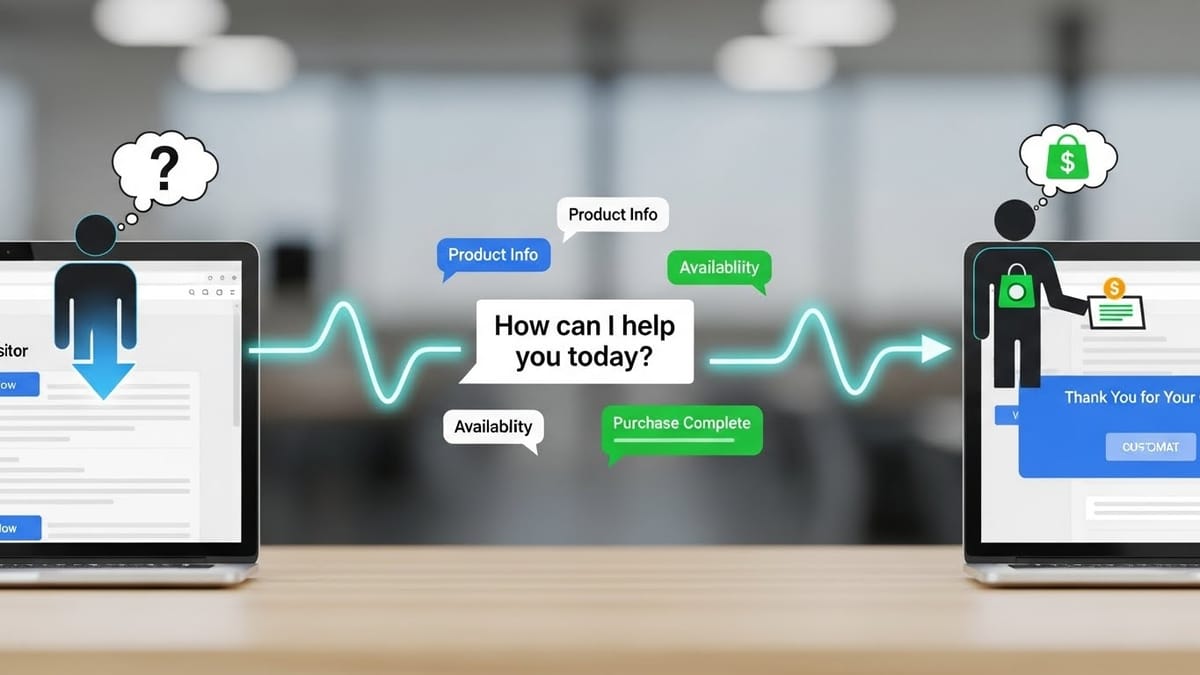
Picture this for a moment. There’s a small bakery on a busy New York street. People walk past all day, catching the smell of fresh bread and coffee, but many never step inside. The owner has a good website, clean photos, and updated menus, yet online orders are quiet. The site feels like a shop with the lights on but no one at the counter.
One simple change shifts everything. A live chat box appears in the corner of the website. Nothing loud. Just an invitation to talk. Slowly, people start asking questions. Those small conversations turn into real orders, and the website no longer feels empty.
That’s the quiet power of live chat.
What Is Live Chat?
Live chat is a real-time messaging feature embedded directly on a website or digital platform. It allows visitors to ask questions and receive immediate responses without switching to email or making a phone call. The interaction happens right where the customer already is, reflecting the growing importance of the future of customer communication in modern digital experiences.
For small businesses, live chat acts like a digital shop assistant. Someone who is always present, approachable, and ready to help. It removes hesitation by answering questions at the exact moment they arise.It’s not about pushing sales. It’s about being available when curiosity appears.
Why Live Chat Feels Natural to Customers
Live chat works because it mirrors how people already communicate every day. Short messages, quick responses, and a conversational tone feel familiar. Customers don’t feel like they’re opening a support ticket; they feel like they’re starting a casual conversation.
This sense of ease reduces friction. People are more likely to ask questions they might otherwise keep to themselves. That openness leads to clarity, confidence, and better decisions.
The experience feels human, even when technology is doing most of the work.
How Does Live Chat Work?
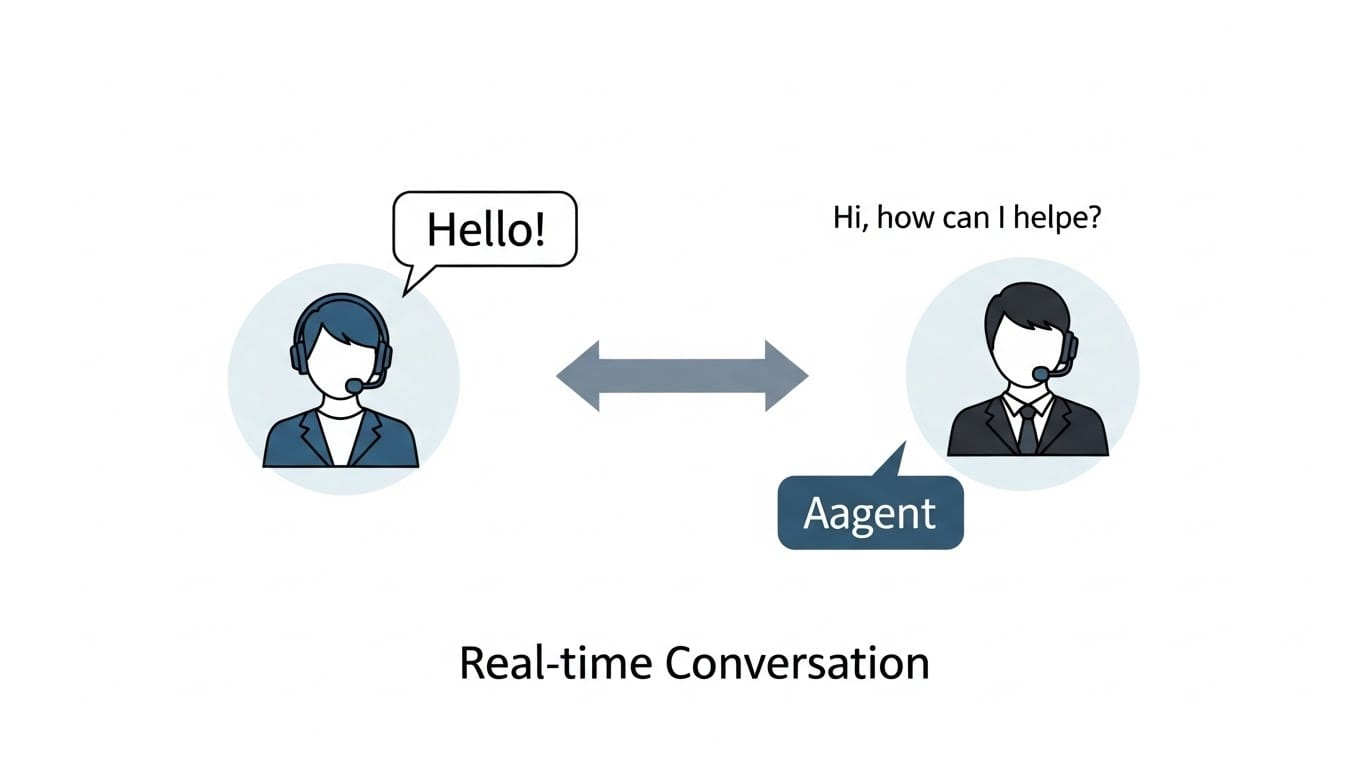
When a visitor opens the chat window and types a message, the system immediately routes it to the right place. That could be a human agent, a chatbot, or a combination of both. The goal is speed without confusion.
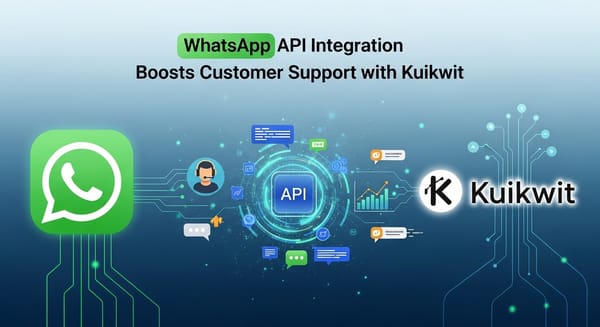
Modern live chat systems also integrate with customer data and messaging platforms. Conversations can continue across channels without losing context. Nothing gets lost, and customers don’t have to repeat themselves.
From the user’s perspective, it all feels simple. That simplicity is intentional.
Live Chat Is More Than Customer Support
Live chat used to sit quietly in the “support” category. Today, it plays a direct role in sales, marketing, and retention. It answers objections before they become reasons to leave. A visitor hesitating on a pricing page doesn’t need an email tomorrow. They need reassurance now. That’s where improving customer experience with messaging tools becomes critical. Live chat provides that moment of clarity when it matters most.
It quietly turns browsing into buying without forcing the conversation.
Why Small Businesses Benefit the Most
Large companies can rely on brand recognition and big support teams. Small businesses don’t have that luxury. Live chat helps level the playing field.
It allows smaller teams to appear responsive, professional, and attentive without massive overhead. Customers feel heard, and that builds trust faster than polished branding alone.
For small businesses, live chat isn’t an extra feature. It’s leverage.
Speed Has Become the New Expectation
Customers no longer measure service quality by effort. They measure it by response time. A delayed reply feels like being ignored, even if the answer is perfect.
Live chat reduces that gap. Automated greetings, instant acknowledgments, and quick routing make customers feel seen immediately. Even when a human reply takes a moment, the silence is gone.
Speed communicates competence in a way words often can’t.
Handling Multiple Conversations at Once
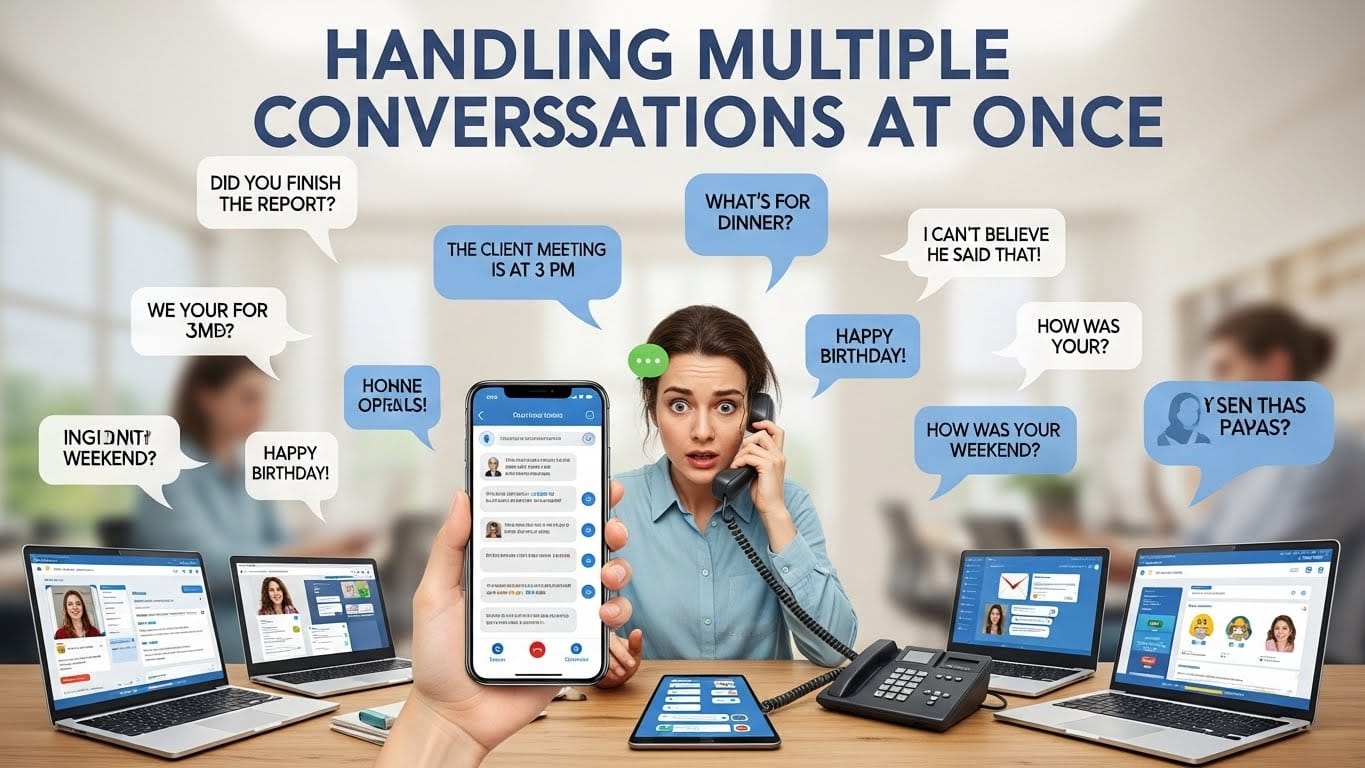
Unlike phone support, live chat isn’t limited to one customer at a time. A single agent can manage several conversations simultaneously without sacrificing quality.
This efficiency matters for growing businesses. It allows support to scale naturally without increasing costs at the same rate. Customers wait less, and teams stay calmer.
The result is smoother service on both sides of the screen.
Learning Directly From Customer Questions
Every live chat conversation is a window into customer thinking. Questions reveal confusion, curiosity, and hesitation in real time. Over time, patterns begin to appear.
Businesses can use this insight to improve product descriptions, pricing clarity, and website structure. Instead of guessing what customers need, live chat shows it directly.
Support becomes a source of strategy, not just answers.
Upselling Without Pressure
Live chat makes recommendations feel helpful instead of pushy. When a customer is already asking questions, suggestions feel natural and relevant.
A quick mention of a complementary product or service fits seamlessly into the conversation. There’s no interruption, no aggressive tactics. Just guidance.That subtlety often leads to higher order values without resistance.
Managing Conversations Across Platforms
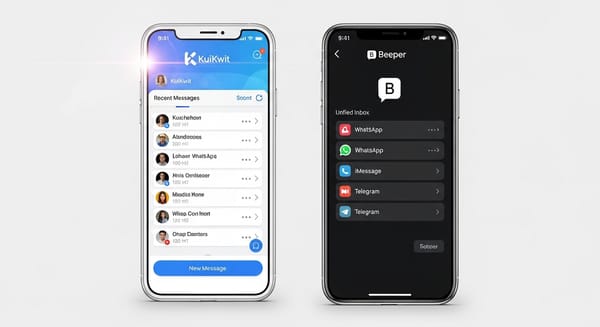
As businesses expand their digital presence, conversations start coming from everywhere. Website chat, Instagram messages, WhatsApp inquiries, Facebook DMs. Managing them separately creates chaos.
This is where centralized platforms like Kuikwit become essential. They bring all conversations into one dashboard, preserving context and reducing missed messages.
One inbox. One workflow. Much less stress.
Why Timing Matters More Than Perfection
Many business owners hesitate to launch live chat because they want everything to be flawless. Perfect scripts. Perfect replies. Perfect automation.
Live chat doesn’t reward perfection. It rewards presence. Customers value timely, honest responses far more than polished language delivered too late.
Starting early and improving over time beats waiting indefinitely.
Live Chat and the Future of Small Business Growth

The live chat market continues to grow because customer behavior keeps shifting toward real-time communication. AI is making chat smarter, but the core appeal remains human connection.
Businesses that adapt now build habits, data, and trust that compound over time. Those who delay often struggle to catch up later.
Turning a Quiet Website Into an Active Space
A website without conversation feels static, even if the design is beautiful. Live chat adds movement, responsiveness, and life to the digital space.
It transforms a passive visitor into an active participant. Questions turn into conversations. Conversations turn into relationships.
That shift changes everything.
Final Thoughts
Live chat turns a website into a place where interaction happens naturally. It helps small businesses answer questions faster, sell with confidence, and build trust without pressure.
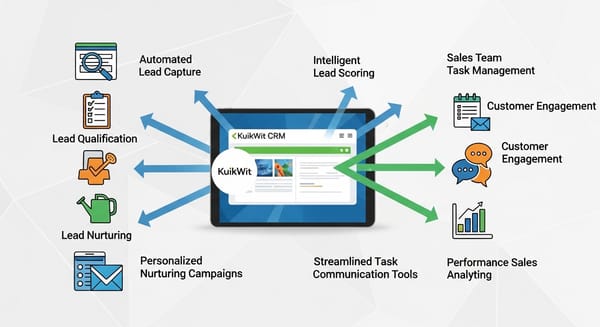
With tools like Kuikwit acting as an all-in-one messaging hub, managing live chat becomes simple and scalable. No juggling apps. No missed conversations.
If your website feels quiet, live chat might be the simplest way to bring it to life.
FAQs — People Also Ask
What is live chat used for?
Live chat is used for real-time customer support, answering questions, guiding purchases, and improving customer experience.
How does live chat help small businesses grow?
It increases trust, improves response times, and helps convert visitors into customers without additional staff.
Can one person manage live chat alone?
Yes. Live chat allows one agent to handle multiple conversations at the same time efficiently.
Is live chat expensive to set up?
Many platforms are affordable, and the return in sales and customer satisfaction often outweighs the cost.
Does live chat replace email or phone support?
Not completely, but it often becomes the preferred channel for fast, everyday communication.