Sorry for the Inconvenience: Why Apologies Matter
What is the meaning of “sorry for inconvenience”? Learn how this simple phrase works, builds trust, and improves customer loyalty with real stats.

Imagine this.
A shipment arrives late. Not catastrophically late. Just late enough to ruin a birthday surprise. The customer is irritated, already rehearsing the complaint in her head. Then a message arrives. Calm. Human. Thoughtful.
“Apologies for the inconvenience. We’ve arranged same-day redelivery and added a voucher for your next order.”
That moment matters more than the delay itself.
I’ve spent years writing for brands in logistics, SaaS, and customer experience platforms, and this pattern repeats constantly. Mistakes happen. What separates brands people forgive from brands people abandon is rarely the error. It’s the response. Which brings us to a phrase that looks small on the surface but carries surprising weight: sorry for the inconvenience.
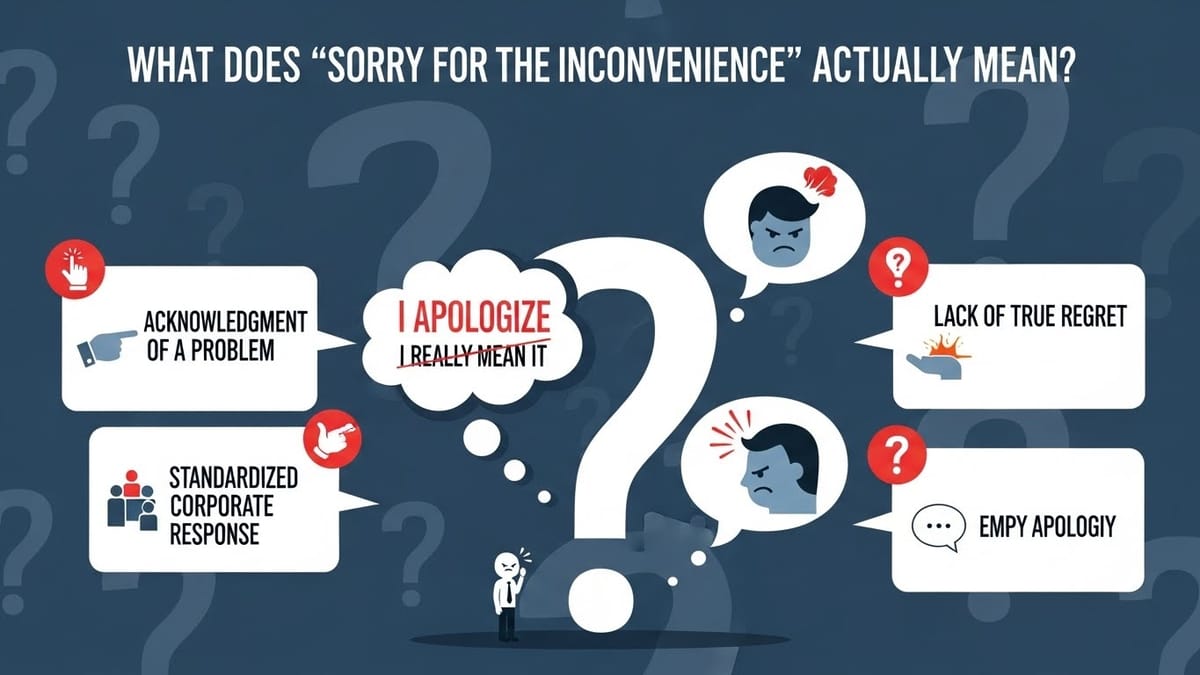
What Does “Sorry for the Inconvenience” Actually Mean?
At face value, the phrase is simple. It acknowledges that something went wrong and that the customer was affected by it. But in practice, it does much more than that. It signals awareness. It signals responsibility. And most importantly, it signals that the business recognizes the emotional cost, not just the operational one—especially when addressing customer support mistakes that drive customers away.
When used correctly, this phrase creates a pause in conflict. It slows the situation down. Customers stop preparing for a fight and start listening for a solution. That shift alone can change the entire trajectory of an interaction, especially in digital channels where tone is easy to misread.
Why Apologies Work on a Psychological Level
Apologies trigger a basic human response. When someone acknowledges discomfort or frustration we’re feeling, our nervous system relaxes. The need to defend ourselves drops. That’s not branding theory. It’s behavioral science.
Research into service recovery shows that sincere apologies reduce perceived severity of an issue, even when the problem itself remains unresolved for a short time. Customers don’t expect perfection. They expect accountability. An apology communicates that accountability without escalating tension.
The absence of an apology, on the other hand, feels like dismissal. And dismissal sticks longer than mistakes ever do.
Timing Matters More Than the Words Themselves
One mistake businesses often make is apologizing too quickly or too mechanically. A rushed apology can feel like a script rather than empathy. Customers want to feel heard before they feel soothed. Effective apologies come after listening. After the customer explains what happened. After frustration has had space to exist. Only then does “sorry for the inconvenience” land as sincere instead of procedural—especially when supported by thoughtful customer experience messaging tools that help teams respond with clarity and care.
This is why tone matters so much in chat, email, and social support. A well-timed apology paired with a calm explanation often works better than offering compensation alone.
The Difference Between Polite and Meaningful Apologies
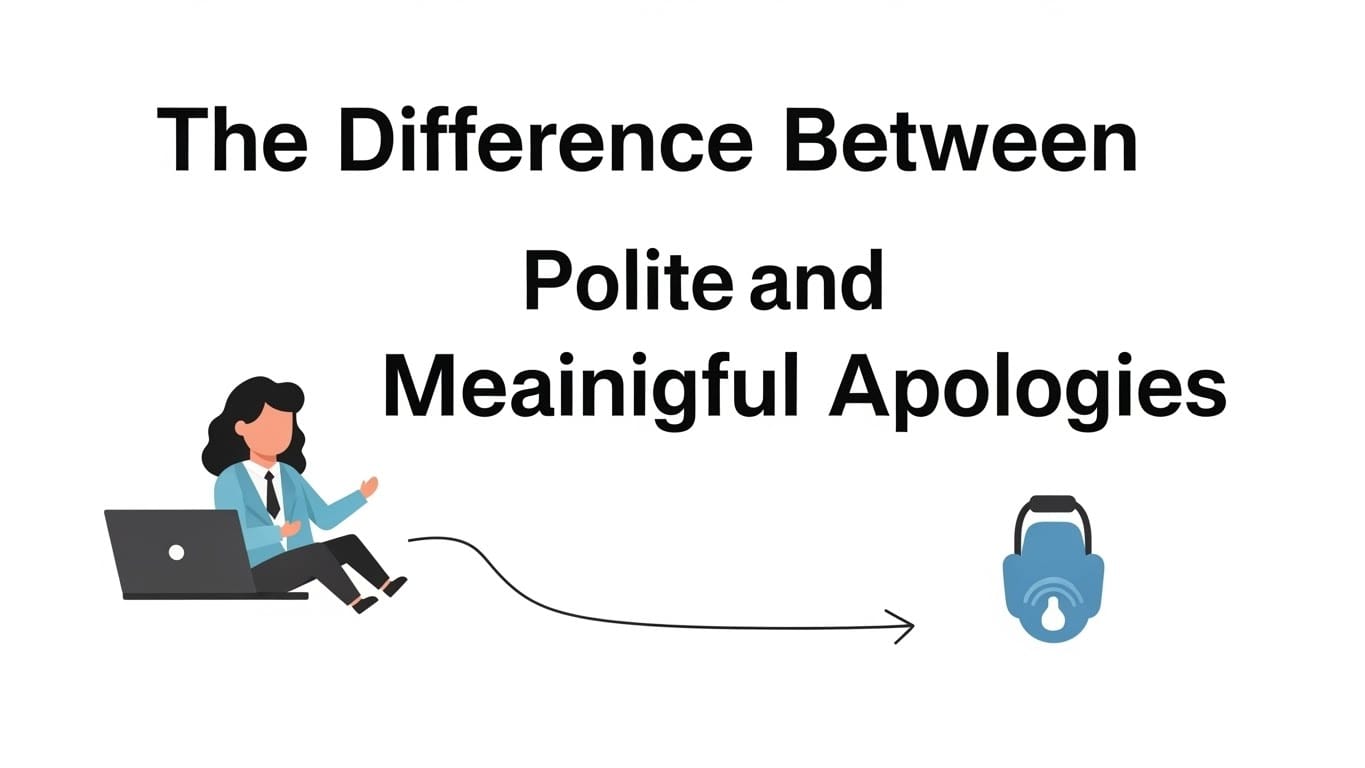
There’s a big difference between saying “sorry” and showing responsibility. Polite apologies acknowledge disruption. Meaningful apologies explain what happened and what’s being done next.
A sentence like, “Sorry for the inconvenience caused by the delay in delivery” is fine. But when followed by clarity—“Our system flagged the delay late, and we’ve corrected it. Your order arrives today”—the apology gains weight.Customers aren’t looking for perfection. They’re looking for reassurance that the same issue won’t repeat.
How “Sorry for the Inconvenience” Builds Brand Trust
Trust is fragile, especially in digital environments where interactions lack facial cues. When a brand takes responsibility quickly and clearly, it reassures customers that they’re not just a transaction.
Interestingly, many studies point to something called the service recovery paradox. In some cases, customers who experience a problem that’s resolved exceptionally well become more loyal than customers who never experienced a problem at all.
That loyalty isn’t built by discounts alone. It’s built by communication that feels honest, timely, and human.
When Apologies Fail and Why
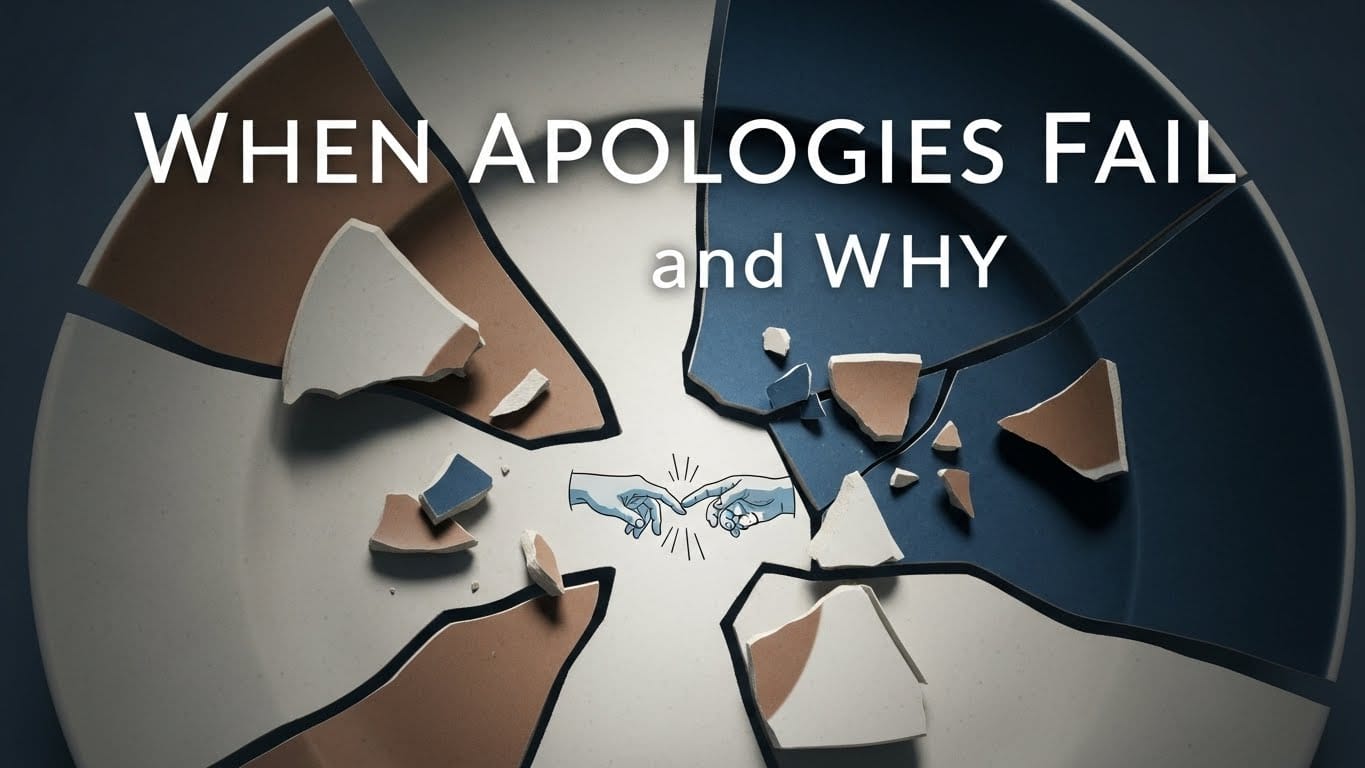
Apologies fail when they feel defensive, vague, or automated. Statements like “We regret any inconvenience caused” without context often frustrate customers further. They sound legal. Distant. Cold.
Another failure point is over-apologizing without resolution. Repeating “sorry” without explaining next steps feels like stalling. Customers don’t want emotional reassurance alone. They want progress.
An effective apology always pairs empathy with action. Without both, trust erodes.
Using Apologies Consistently Across Channels
Modern customer journeys don’t live in one place. A complaint may start on Instagram, continue in live chat, and end via email. Inconsistent tone across these channels weakens credibility.
This is where centralized messaging systems become essential. When teams can see conversation history and context, apologies remain consistent. Customers don’t have to repeat themselves. And repetition is one of the fastest ways to escalate frustration.
Consistency isn’t about scripting. It’s about awareness.
How Kuikwit Supports Better Apology Messaging
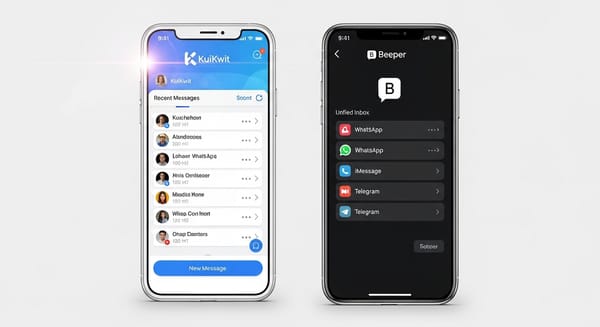
Handling sensitive moments requires visibility. Kuikwit acts as a unified messaging hub where teams manage conversations from websites, social platforms, and messaging apps in one place.
That matters during high-emotion moments. When delays, outages, or service disruptions happen, teams need to respond quickly without losing context. Kuikwit helps ensure apologies are timely, informed, and followed by action rather than fragmented across tools.
It doesn’t replace empathy. It enables it.
Why Apologies Influence Long-Term Retention
Customer loyalty isn’t built during smooth transactions alone. It’s built during friction. How a brand responds when expectations aren’t met tells customers what kind of relationship they’re in.
Statistics consistently show that customers are more likely to return after a negative experience if it was handled well. Poor recovery, on the other hand, often leads to permanent churn after a single incident.
Apologies function as emotional resets. They reopen dialogue. Without them, even small issues feel personal.
The Role of Language in De-Escalation

Words shape perception. “Sorry for the inconvenience” works because it acknowledges impact without assigning blame to the customer. It keeps the tone collaborative rather than adversarial.
Phrases that avoid defensiveness and focus on shared resolution reduce escalation dramatically. This is especially important in written communication where tone must do more work.The best apology language is simple, calm, and specific. Nothing flashy. Nothing dramatic.
Building an Apology Framework That Scales
As companies grow, relying on individual judgment alone becomes risky. Teams need shared principles for handling mistakes. Not scripts, but frameworks.
An effective structure usually includes acknowledgment, apology, explanation, resolution, and follow-up. When teams internalize this flow, responses stay human without becoming inconsistent.
Technology supports this process, but culture defines it.
Why Apologies Aren’t a Weakness
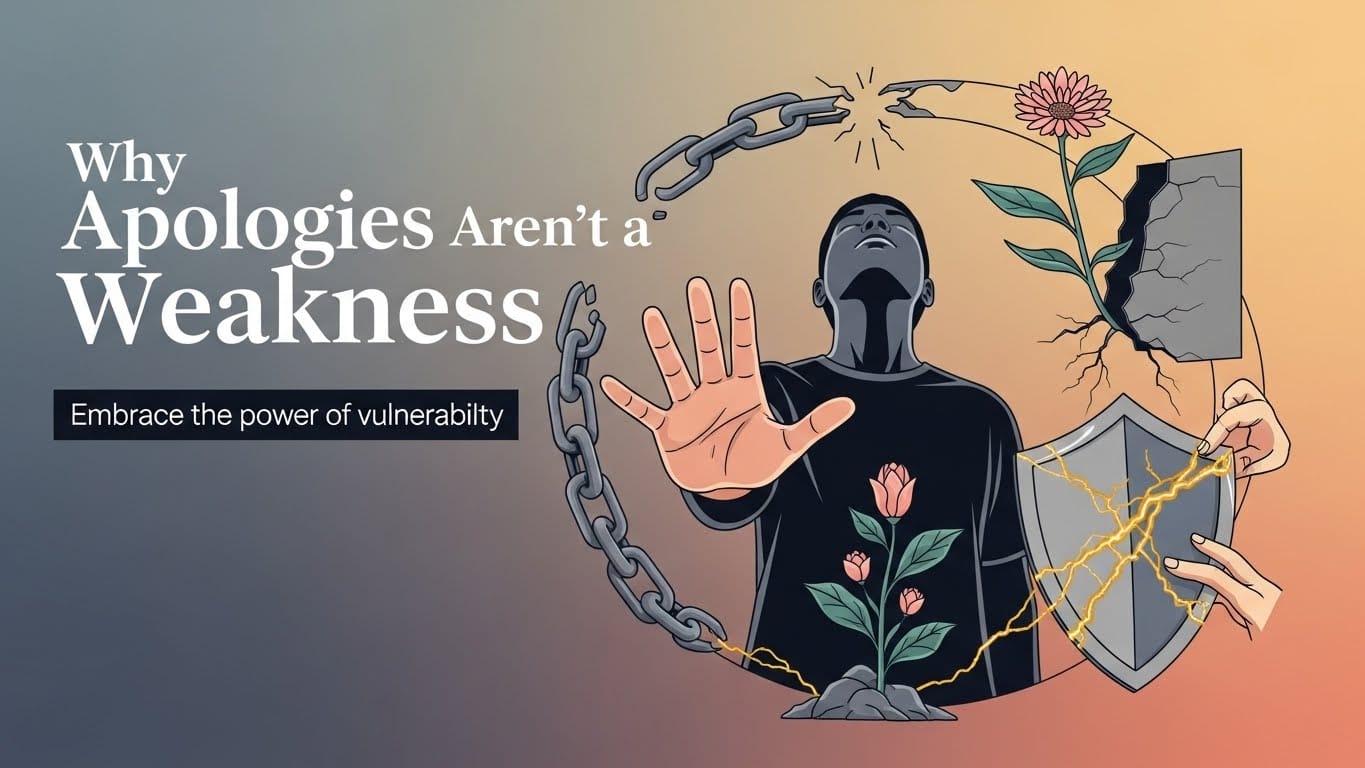
Some businesses hesitate to apologize because they associate it with fault or liability. In reality, refusing to apologize often creates more damage than the original issue.
Modern customers value transparency more than defensiveness. An apology doesn’t weaken authority. It strengthens credibility. Especially when paired with corrective action.
Strong brands aren’t flawless. They’re accountable.
When Not to Use the Phrase
There are moments when “sorry for the inconvenience” isn’t enough. Serious failures, emotional distress, or repeated issues require deeper acknowledgment and sometimes direct human intervention.
The phrase works best for operational disruptions, delays, and service hiccups. It shouldn’t replace genuine accountability in more serious situations.
Context always matters.
The Quiet Power of Small Words
What makes this phrase powerful isn’t how dramatic it sounds. It’s how ordinary it feels. Customers don’t want grand gestures. They want recognition.
A short apology, delivered sincerely, followed by action, can prevent escalation before it begins. That’s not magic. It’s communication done well.
Letting the Moment Taper Off
Eventually, the issue resolves. The parcel arrives. The refund processes. The system stabilizes. What customers remember isn’t the disruption. It’s how they were treated while things were uncertain.
That’s the lasting impression. And that’s where trust either deepens or disappears.
FAQs — People Also Ask
What does “sorry for the inconvenience” really mean in customer service?
It’s an acknowledgment that a customer was affected by a disruption and that the business recognizes both the issue and its impact.
Is saying sorry enough to keep customers loyal?
Not on its own. An apology must be paired with clear action and follow-up to be effective.
When should a business apologize to a customer?
After listening to the customer’s concern and understanding the issue, not before or automatically.
Why do customers respond positively to apologies?
Apologies reduce emotional tension and signal accountability, which restores trust.
How can businesses deliver consistent apologies across channels?
By using centralized messaging tools and shared response frameworks that preserve context and tone.