World Wide Technology Raceway Visitor Guide 2026
World Wide Technology Raceway is one of the most exciting motorsports venues in the United States, hosting major NASCAR races, drag racing events, and fan experiences throughout the year.
Motorsports fans don’t just want speed anymore. They want atmosphere, community, and a full experience. That’s where world wide technology raceway fits in.
It’s not only about racing. It’s about events, crowds, culture, and entertainment built around motorsports energy.
What is World Wide Technology Raceway?
It is a major motorsports complex in Madison, Illinois, hosting NASCAR and other racing events.
Is it worth visiting?
Yes. For racing fans and event lovers, it offers racing, entertainment, and large-scale motorsports weekends.
Where is it located?
Madison, Illinois, just minutes from downtown St. Louis.
World Wide Technology Raceway
World Wide Technology Raceway is one of the most important motorsports venues in the Midwest United States. Located in Madison, Illinois, just across the Mississippi River from St. Louis, it attracts fans from multiple states and even international visitors. The facility is known for blending traditional racing culture with modern entertainment. It isn’t just a track. It’s a full motorsports complex with multiple racing formats happening throughout the year.
From NASCAR events to drag racing and community racing experiences, the venue keeps activity flowing across seasons, supported by modern digital innovation and tools like intelligent AI racing analytics that are reshaping how motorsports venues manage data, performance insights, and fan engagement.
The track’s main oval is 1.25 miles long and uniquely shaped, which creates unpredictable and exciting racing. Turns one and two are sharper and more banked, while turns three and four are flatter and faster, forcing drivers to adjust strategy constantly. This unusual track structure is one reason drivers and fans both consider it exciting. It creates close racing moments and strategic battles that often decide winners late in the race.
Where Is World Wide Technology Raceway
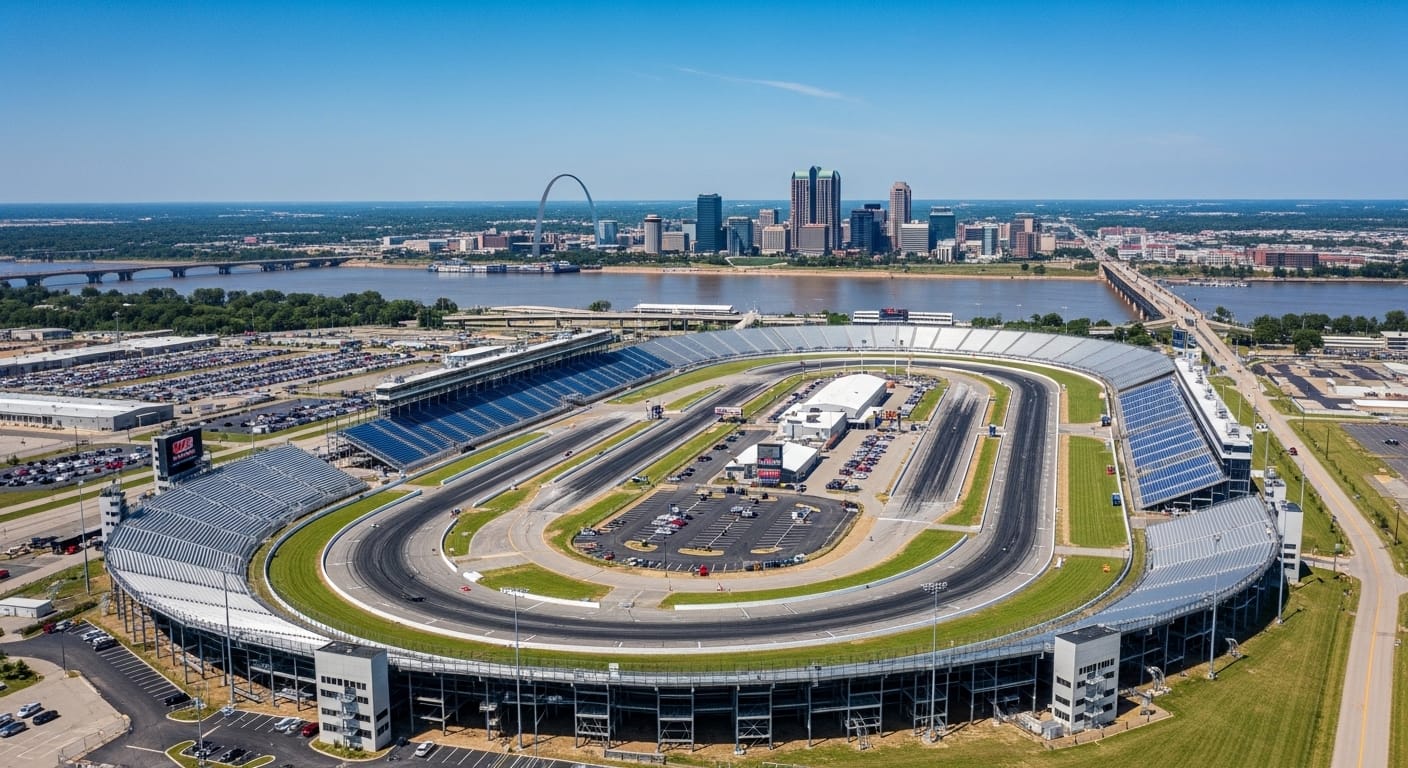
The facility sits in Madison, Illinois, just minutes from downtown St. Louis, making it one of the most accessible racing venues in the Midwest. Its location near major highways and urban infrastructure makes travel easier for fans and teams. Many spectators visit from both Illinois and Missouri, and large NASCAR weekends attract visitors from across the United States. The official address is on Raceway Boulevard in Madison, placing it in a historically industrial yet growing entertainment corridor.
Accessibility is one of the venue’s biggest advantages. Because it sits close to a major city, visitors can combine race weekends with hotels, restaurants, and city tourism experiences. For racing venues, location matters almost as much as track design. And this track benefits from both strong geographic placement and strong event management planning.
World Wide Technology Raceway NASCAR History
NASCAR has played a major role in the track’s identity. The venue has hosted NASCAR-sanctioned events since the late 1990s, starting with Xfinity Series racing, followed by Truck Series racing, and eventually hosting Cup Series events. The Cup Series officially debuted here in 2022, bringing huge attention and sell-out crowds to the facility. These races continue to strengthen the track’s national reputation.
The venue’s NASCAR growth shows how motorsports evolve over time. What started as regional racing expanded into national championship events. Recent NASCAR weekends have attracted massive audiences, including both in-person attendance and millions of TV viewers. That kind of reach transforms a track from regional to national importance, similar to how a strong client relationship partner strategy can help organizations scale from local operations to national-level influence.
World Wide Technology Raceway Upcoming Events
The raceway hosts far more than NASCAR races. It regularly runs drag racing, amateur racing, car festivals, and themed racing nights. For example, Midnight Madness events allow street-legal vehicles to race in a controlled environment, drawing thousands of local enthusiasts. These types of events help maintain year-round fan engagement instead of limiting activity to major race weekends.
Events often combine racing with concerts, fan zones, and entertainment experiences. Modern race tracks are no longer just sports venues. They are entertainment complexes. This approach increases fan retention and builds long-term community connections. Large multi-day race weekends have drawn over 100,000 fans on site, showing how powerful motorsports entertainment can be when packaged correctly.
World Wide Technology Raceway Tickets and Fan Experience
Ticket demand for major race weekends is consistently high, especially for NASCAR Cup races. Sell-out events are common, showing strong demand and fan loyalty. Many ticket packages include access to concerts, fan zones, and garage experiences, turning race weekends into multi-day festivals.
Fan experience is a big focus at the venue. Upgrades like garage viewing access and expanded fan zones help visitors feel closer to teams and drivers. This kind of immersive experience has become essential for modern sports venues. Fans don’t just want to watch anymore. They want to participate, explore, and share the experience socially.
How the Track Actually Works (Racing Design)
The track design itself is part of the attraction. The oval’s asymmetric shape forces teams to compromise car setup. What works in turns one and two may not work in turns three and four. That creates unpredictable race strategies and dramatic finishes. Drivers must balance braking precision and exit speed, making it technically demanding.
Beyond the oval, the complex also includes a drag strip and road course. That makes it a multi-discipline racing venue instead of a single-purpose track. This diversity supports multiple racing communities and helps the facility maintain year-round revenue streams.
Benefits of Visiting the Raceway
For fans, the biggest benefit is variety. You can attend NASCAR, drag racing, or community racing events depending on the season. For teams and sponsors, the location near major cities helps with visibility and marketing exposure.
The venue also creates economic impact. Hotels, restaurants, and tourism sectors benefit from large race weekends. That’s why local governments and sponsors often support motorsports venues like this. It becomes bigger than racing. It becomes a regional economic engine.
Real Examples of Raceway Impact
Many race weekends attract visitors from dozens of states and multiple countries. Some NASCAR events have pulled more than 100,000 visitors across multi-day race weekends. That scale shows how motorsports still drives major tourism and media attention.
Large TV broadcasts also extend global reach. Millions of viewers watch major races hosted here, giving sponsors and teams global exposure. Racing is still local culture. But it’s also global entertainment.
Common Mistakes Fans Make When Planning Visits
Many fans underestimate travel time and parking planning. Large events create heavy traffic, and arriving early makes the experience smoother. Another common mistake is not preparing for weather changes. Motorsports events run outdoors, and weather shifts can impact comfort.
Some visitors also underestimate walking distance inside large race complexes. Comfortable shoes and hydration matter more than people expect. Small planning details can change the whole experience.
Comparing WWT Raceway to Other US Tracks
Compared to larger historic tracks, this venue is newer in its current form but highly modern in fan design. Some older tracks focus purely on racing tradition. This track mixes racing with entertainment and fan immersion.
The asymmetric track design also makes it technically unique. Drivers often compare it to challenging technical tracks where strategy matters more than pure speed. That gives it personality in the racing world.
Kuikwit and Motorsports Communication
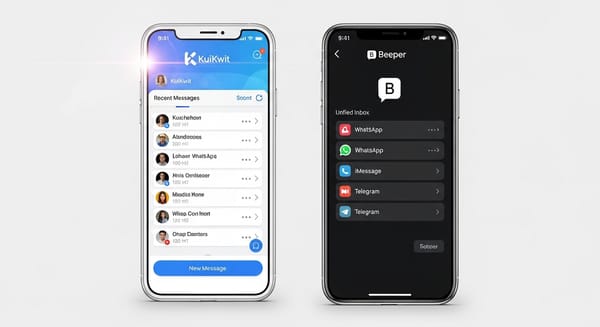
Modern racing events rely heavily on customer communication systems. Platforms like Kuikwit help event organizers manage fan messages, support questions, and multi-channel communication from social media, messaging apps, and websites.
For large events like race weekends, centralized messaging tools help teams respond faster to customer queries about tickets, events, and logistics. In large-scale entertainment environments, communication technology is becoming as important as physical infrastructure.
Raceway Key Facts
| Feature | Details |
|---|---|
| Location | Madison, Illinois |
| Track Length | 1.25 miles |
| Major Events | NASCAR Cup, Truck Series, Drag Racing |
| Capacity | ~78,000 spectators |
| Nearby City | St. Louis |
Mistakes Businesses Make With Event Venues
Some businesses treat racing venues as simple sponsorship opportunities. But modern venues are experience-driven ecosystems. Brands that engage with fans directly often see better results.
Others underestimate digital engagement. Social media, fan apps, and live communication tools now shape fan perception as much as the race itself.
Why This Raceway Still Matters Today
Motorsports continue evolving. Tracks that adapt survive. Tracks that don’t fade. This venue has invested heavily in fan experience upgrades and facility expansion.
Modern motorsports is about entertainment, not just competition. Tracks that embrace this shift stay relevant longer.
Full FAQ Section
When was the raceway built?
The original drag racing facility dates back to the 1960s, with the modern oval opening later.
Does NASCAR race here every year?
Yes, major NASCAR events are now regular parts of the schedule.
How many people can the raceway hold?
Around 78,000 spectators depending on event configuration.
Is it beginner-friendly for first-time race fans?
Yes. The venue is known for strong fan engagement and easy navigation.
What other racing happens here?
Drag racing, road course racing, and amateur motorsports events.
Ending
Tracks like this don’t just exist for racing anymore. They exist for culture. For weekends. For noise. For community.
And honestly, once you attend one big race weekend, you kind of get it.
It’s not just about cars going fast.
It’s about everything around it.
And that feeling tends to stick around.